

I Thought Becoming a Mother Would Be the Hardest Part — I Was Wrong
For most of my life, I believed that becoming a mother would be the greatest challenge I would ever face. I imagined sleepless nights, exhaustion, fear, and responsibility. I prepared myself for all of that. What I didn’t prepare for was the moment just before my daughter arrived—when the life I thought I had carefully built began to crack in ways I never expected.
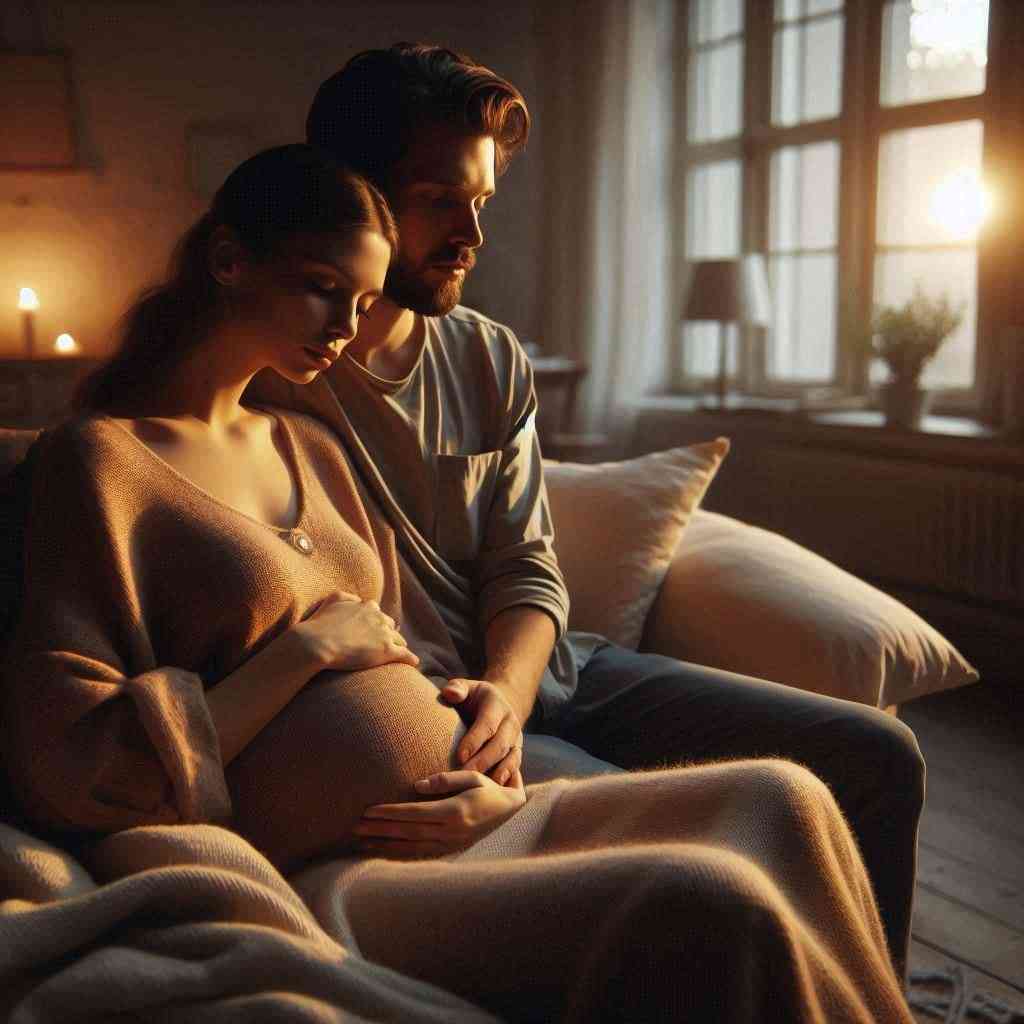
Michael and I had been together since high school. We grew up side by side, learning adulthood together rather than separately. We shared first jobs, small apartments, and the quiet comfort that comes from knowing someone for so long that words become unnecessary. Our life wasn’t flashy, but it was stable. And stability felt like success.
When we decided to start a family, we had no idea how long the road would be. Infertility became part of our vocabulary. Appointments, tests, waiting rooms, and disappointment shaped years of our marriage. Each failed attempt felt like a private grief we carried together. Yet we held onto hope with stubborn determination, telling ourselves that if we just kept going, something would eventually give.
Then one day, it did.
Pregnancy arrived like a miracle we had earned through patience and pain. I clung to that joy with everything I had. I believed that this long-awaited gift would protect us, that it would solidify the bond we had built over years of shared struggle. I was wrong about that too.
As my pregnancy progressed, something in Michael began to change.
At first, it was subtle. He stayed later at work. He seemed distracted when I spoke. Conversations that once felt effortless became short and distant. I noticed it, but I didn’t question it out loud. I told myself it was normal fear—fear of becoming a father, fear of responsibility, fear of change. I convinced myself that love would carry us through it like it always had.
But love doesn’t survive on assumptions.
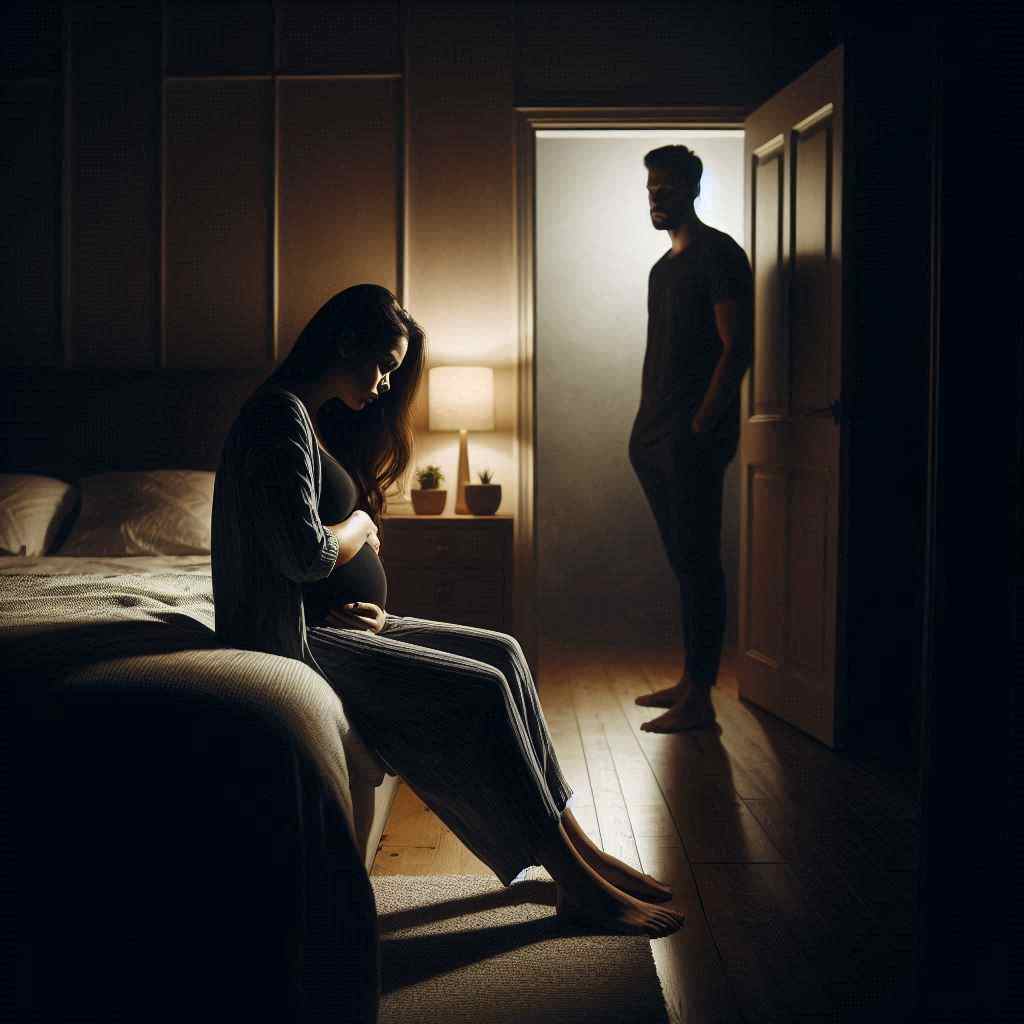
By the final weeks of pregnancy, my body was exhausted and my emotions were fragile. I needed reassurance more than ever. One evening, despite knowing how drained I felt, Michael invited friends over. I smiled and endured it, trying to be gracious, trying not to seem demanding. When the house finally quieted and we went to bed, he stood in the doorway with a look I had never seen before.
It wasn’t anger.
It was something colder.
Restless. Distant. Uncertain.
Then he said the words that shattered me.
He told me he wanted proof that the baby was his.
After years of infertility. After countless medical appointments. After months of carrying his child in my body. At my most vulnerable moment, the man I trusted questioned my integrity.
The pain of that moment didn’t explode—it sank. Quietly. Deeply. It wasn’t rage that filled me, but something far worse: disbelief. The kind that makes you realize the ground beneath you isn’t as solid as you thought.
That night, something in me went still.
By morning, confusion had been replaced by clarity.
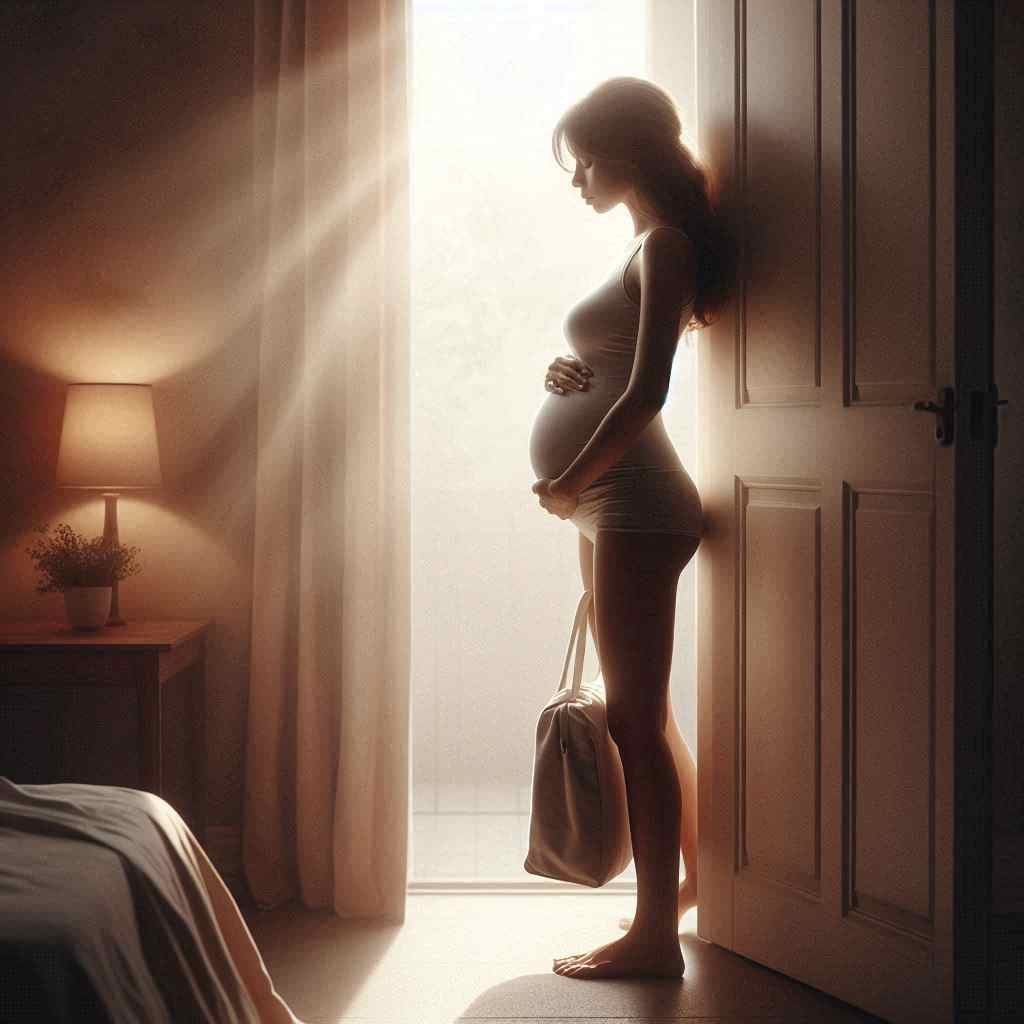
I packed a small bag. I left my wedding ring on the dresser. And I went to my sister’s house—not to punish him, but to protect myself. Peace mattered more than pleading for trust that no longer existed.
Three weeks later, I gave birth.
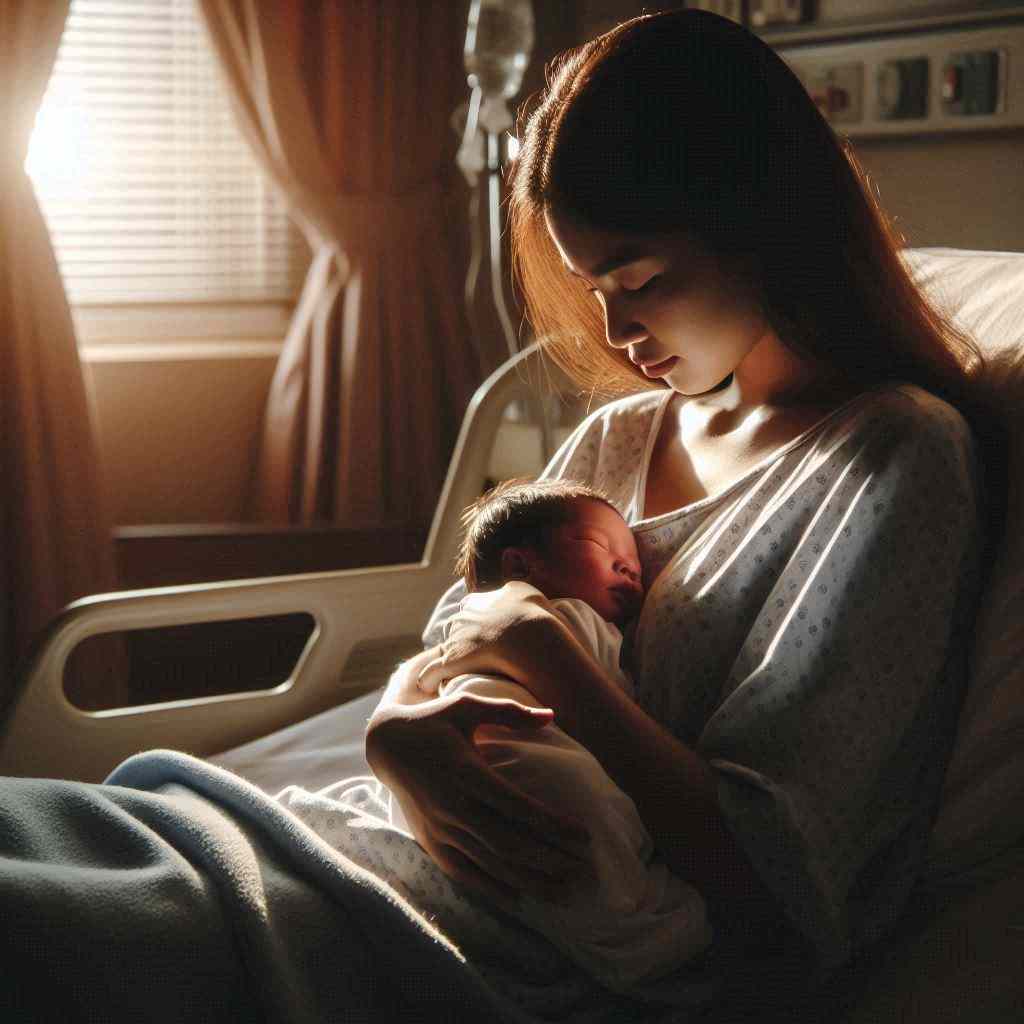
I was surrounded by strength instead of fear. Support instead of doubt. When I held my daughter for the first time, I felt something shift inside me—not just love, but reclamation. I had chosen myself. I had chosen safety. I had chosen truth.
She was perfect.
And in that moment, I knew I had made the right decision.
Then, unexpectedly, Michael appeared at the hospital.
He looked nothing like the man who had questioned me weeks earlier. He was exhausted, humbled, and visibly broken. He didn’t make excuses. He didn’t defend himself. He admitted that fear—and the influence of outside voices—had clouded his judgment. He admitted that he had failed me when I needed him most.
I didn’t offer forgiveness easily.
Trust doesn’t return because someone is sorry. It returns because someone changes.
I didn’t promise reconciliation. I didn’t offer reassurance. I only allowed him the opportunity to show up—not with words, but with actions.
And he did.
What followed wasn’t a fairytale. It wasn’t instant healing or dramatic romance. It was something quieter and far more difficult.
He showed up every day.
He helped without being asked.
He listened without defending himself.
He accepted responsibility without conditions.
We chose counseling. We chose uncomfortable conversations. We chose patience over denial. Slowly, something new began to form—not a return to who we were, but the careful rebuilding of something stronger.
I learned that love isn’t proven in perfect moments or unquestioning faith. It’s revealed in humility. In accountability. In the willingness to grow after failure.
The storm didn’t destroy us.
It stripped us down.
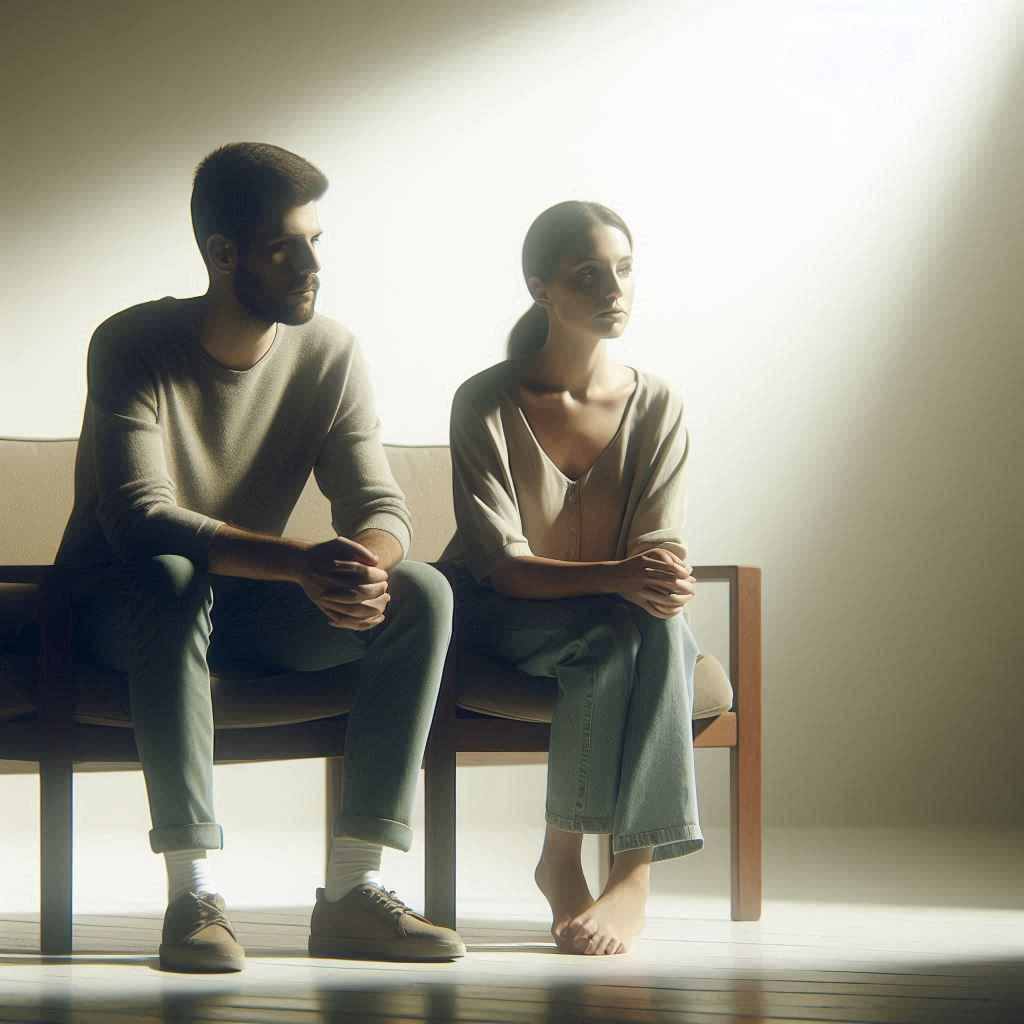
It removed assumptions, pride, and silence. What remains is imperfect, honest, and intentional. And that foundation—built on choice rather than comfort—is stronger than anything we had before.
Motherhood didn’t begin with diapers or sleepless nights.
It began with knowing my worth.
And that lesson, painful as it was, became the strongest gift I could ever give my daughter.
0 Comments