

What It Really Means When You See “SSSS” on Your Boarding Pass — And How to Handle It Calmly
Air travel has a way of testing even the most patient people long before an airplane ever leaves the ground. From weighing luggage with one foot on the scale to navigating crowded terminals, security checkpoints, and constantly ticking clocks, most travelers share the same quiet wish: to pass through the airport unnoticed and arrive at their gate without complications.

For many passengers, the journey unfolds exactly as planned. But for others, the routine changes in a single moment—when they glance down at their boarding pass and notice four unfamiliar letters printed near the edge:
SSSS
At first, the code might not seem important. It’s small. Easy to overlook. But for travelers who recognize it—or soon learn what it means—those four letters signal that their airport experience will follow a different path than expected.
What Does SSSS Mean?
SSSS stands for Secondary Security Screening Selection.
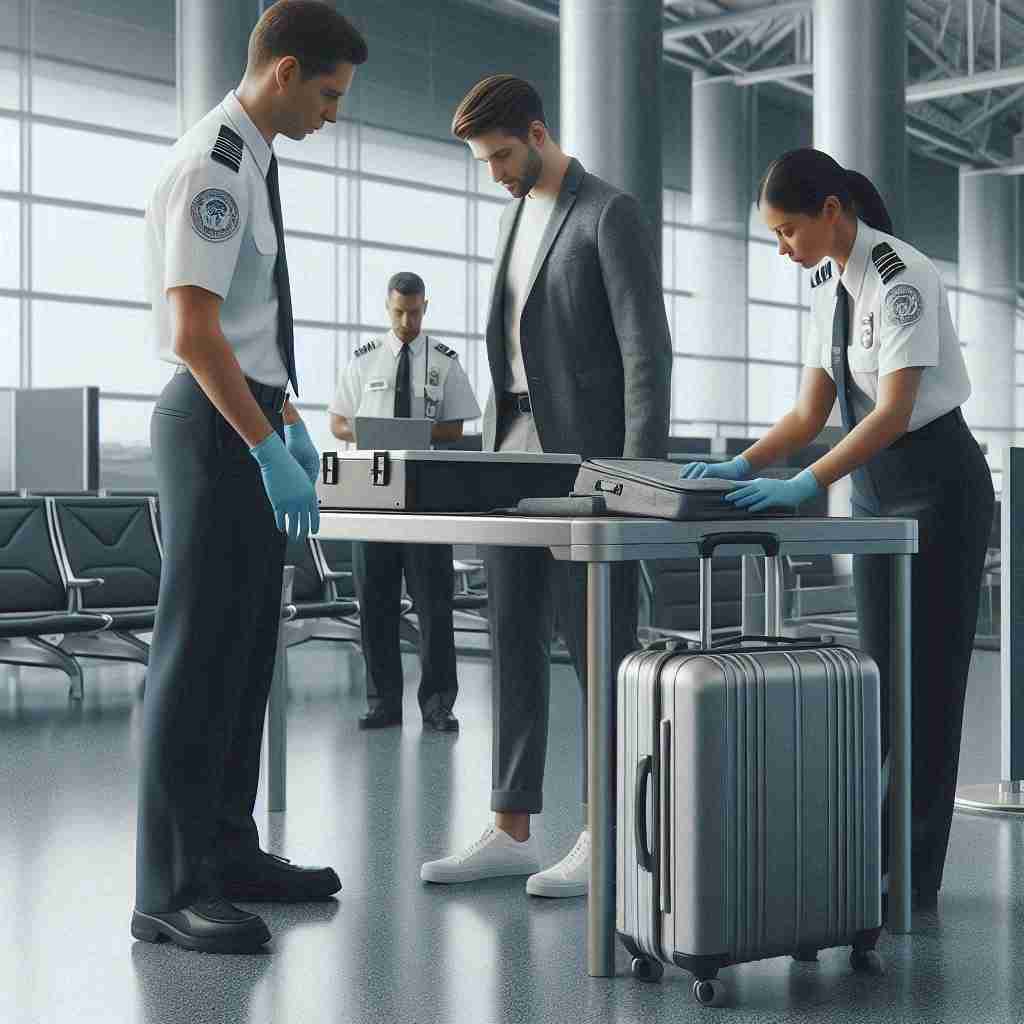
When this code appears on a boarding pass, it indicates that the traveler has been selected for additional screening by the Transportation Security Administration (TSA). This screening goes beyond the standard security check most passengers experience.
While the sight of SSSS can cause anxiety—especially for travelers with tight schedules or connecting flights—it’s important to understand something fundamental right away:
SSSS is not an accusation, a punishment, or a sign that you have done anything wrong.
It is part of a broader aviation security system designed to protect everyone who flies.
Why Does the SSSS Code Exist?
The SSSS designation is connected to the U.S. government’s Secure Flight program, which was developed to enhance aviation safety through layered security measures.
Before a passenger ever steps into an airport, airlines submit basic information—such as full name, date of birth, and gender—to the Secure Flight system. This data is reviewed using automated processes that assess potential security risks.
Importantly, these systems do not rely solely on suspicion. In many cases, selections are random, and that randomness is intentional. By avoiding predictable patterns, security systems reduce the risk of being exploited.
In other words, the process is designed to protect millions of travelers, not to single out individuals unfairly.
Common Reasons Travelers Receive SSSS
Although the selection process is largely automated, certain travel patterns can increase the likelihood of receiving the SSSS code. These include:
- Booking flights at the last minute
- Traveling internationally, especially to or from certain regions
- Having a name similar to someone in a security database
- Frequent one-way ticket purchases
- Using multiple passports or travel documents
Even travelers with spotless records and years of frequent flying can receive the code occasionally. Many report seeing it once and never again, while others encounter it sporadically without any clear reason.
What’s important to remember is that SSSS does not equal suspicion. It often reflects timing, patterns, or random selection rather than individual behavior.
What Happens If You Have SSSS on Your Boarding Pass?
The presence of SSSS changes the flow of your airport experience slightly.
1. In-Person Check-In
Most travelers with this designation cannot check in online or at self-service kiosks. Instead, they must visit the airline counter to receive a printed boarding pass.
2. Additional Screening at Security
At the security checkpoint, TSA officers will conduct a more detailed inspection. This may include:
- Thorough examination of carry-on bags
- Swabbing electronics for trace detection
- Additional questions about travel plans
- Manual inspection of personal items
This process takes longer than standard screening, which is why arriving early is especially important.
3. Possible Gate Screening
In some cases, additional screening may also occur at the gate before boarding.
While this experience can feel inconvenient, it is conducted by trained professionals following established procedures.
How to Handle SSSS With Less Stress
The experience can feel uncomfortable if you don’t know what to expect. But how you respond can make a real difference.
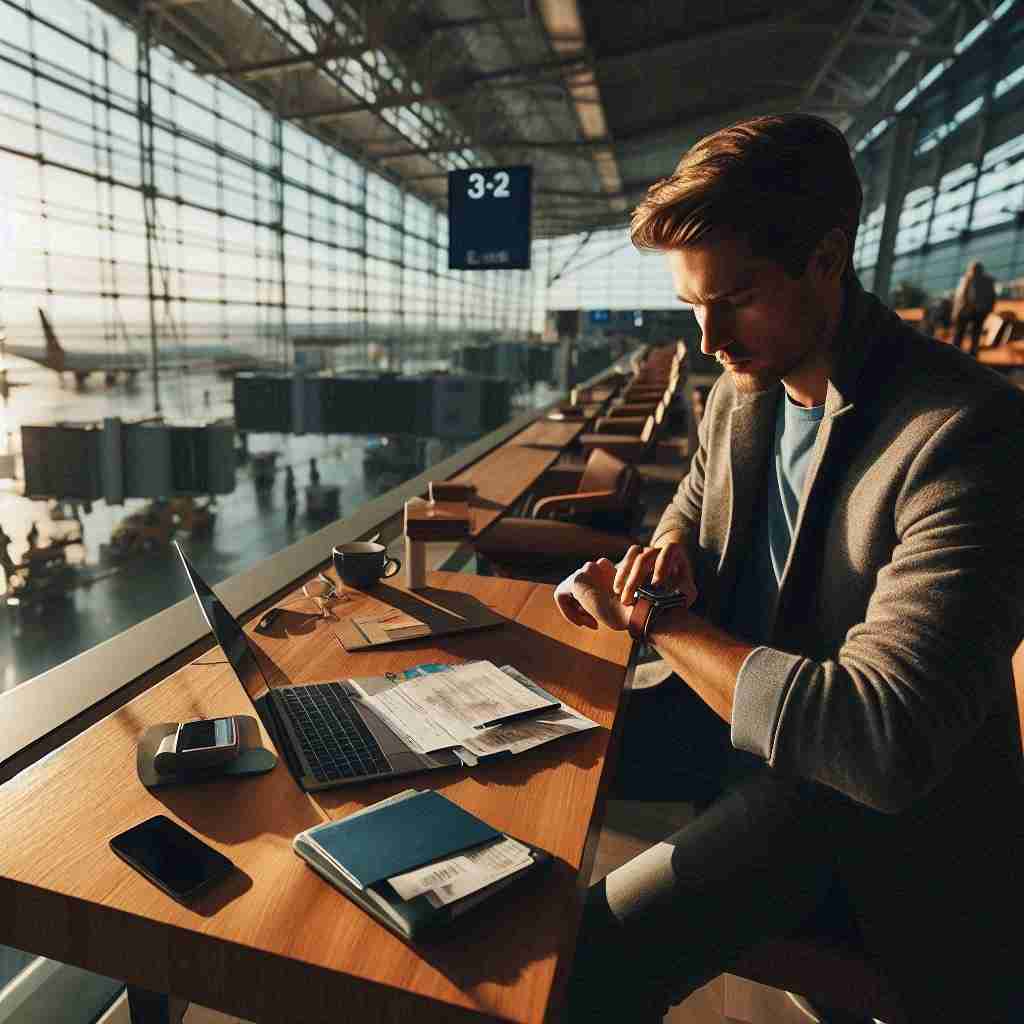
Here are practical tips that experienced travelers recommend:
- Arrive earlier than usual to avoid rushing
- Stay calm and cooperative—this helps the process move faster
- Keep documents easily accessible
- Prepare electronics for inspection
- Follow instructions carefully
TSA officers are trained to complete screenings efficiently and professionally. Cooperation and patience often shorten the process.
Is SSSS Permanent?
No.
Seeing SSSS once does not mean you will see it on every future flight. Many travelers report encountering it only a single time. Others see it occasionally, often tied to specific routes or travel patterns.
Programs like TSA PreCheck and Global Entry may reduce the frequency of secondary screening, though they cannot eliminate it entirely. Even trusted travelers can be selected at random.
Why Random Screening Matters
Random selection plays a crucial role in aviation security. If screening followed predictable rules, those rules could be exploited.
By applying secondary screening unpredictably, security systems remain flexible and effective. While it may feel inconvenient for the individual traveler, it strengthens safety for everyone onboard.
Aviation security relies on multiple overlapping layers—data review, identity verification, physical screening, and human judgment—all working together.
Reframing the Experience
Many travelers who initially feel anxious about SSSS later report a shift in perspective.
Once they understand what the code means—and what it doesn’t mean—the experience becomes less personal and more procedural.
Knowledge replaces uncertainty. Preparation replaces panic.
Rather than viewing SSSS as a disruption, some travelers see it as a reminder of the complex system working quietly in the background to keep air travel safe.
The Bigger Picture
Every day, millions of people pass through airports safely because of layered security measures most of us never see. While not every traveler experiences secondary screening, its existence supports the broader goal of protecting passengers, crews, and aircraft.

Seeing SSSS on a boarding pass doesn’t define you. It doesn’t label you. And it doesn’t predict your future travel experiences.
It is simply one part of a system designed to adapt, protect, and respond in an ever-changing world.
Final Thought
Air travel is built on trust—trust in technology, procedures, and people working behind the scenes. While seeing SSSS on a boarding pass may add time and uncertainty to a journey, it also reflects a commitment to safety shared by travelers worldwide.

With preparation, patience, and understanding, travelers can move through secondary screening confidently and continue on their way—knowing that the same measures applied to them help protect the skies for everyone.
Sometimes, peace of mind begins not with avoiding inconvenience, but with understanding it.
0 Comments