

I didn’t realize how tense I was until she reached for the knife and asked,
“Can I help?”
It caught me off guard—not because she couldn’t help, but because up until that moment, everything between us had felt… careful. Polite. Like we were both standing on opposite sides of an invisible line, unsure who was allowed to cross first.
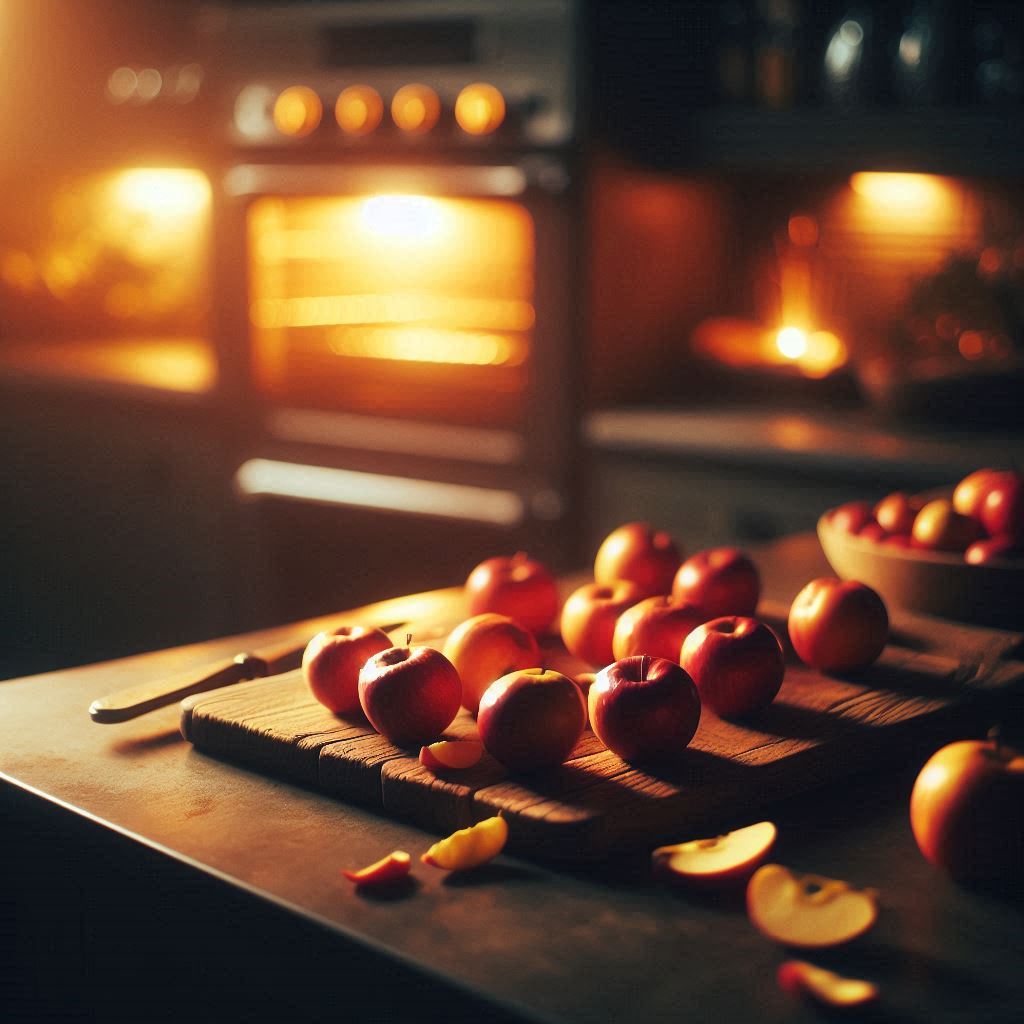
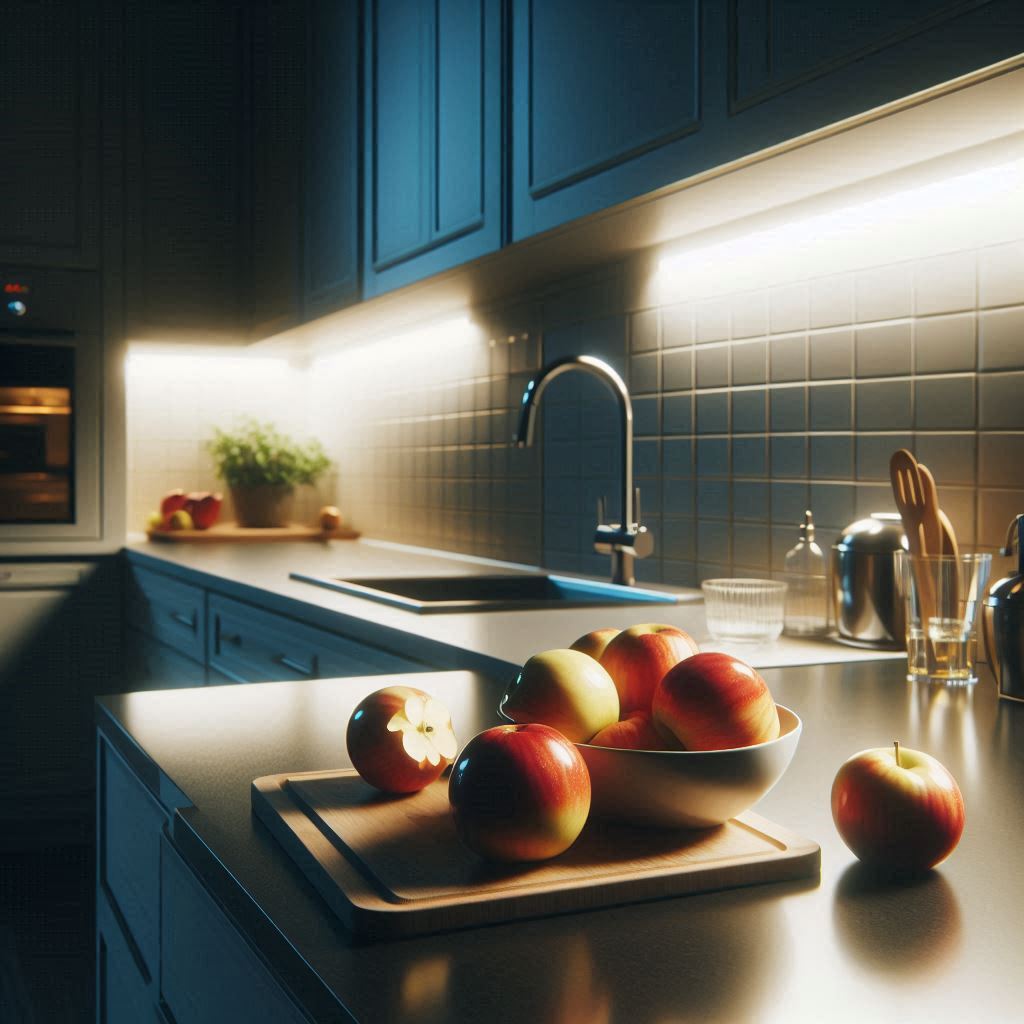
Her dad had stepped outside to take a phone call, leaving just the two of us in the kitchen. The room was warm from the oven, the counter cluttered with apples, peels curling like ribbons across the cutting board. Cinnamon hung in the air, sweet and sharp at the same time.
For the first time that evening, it was quiet.
No jokes.
No small talk.
No audience.
Just us.
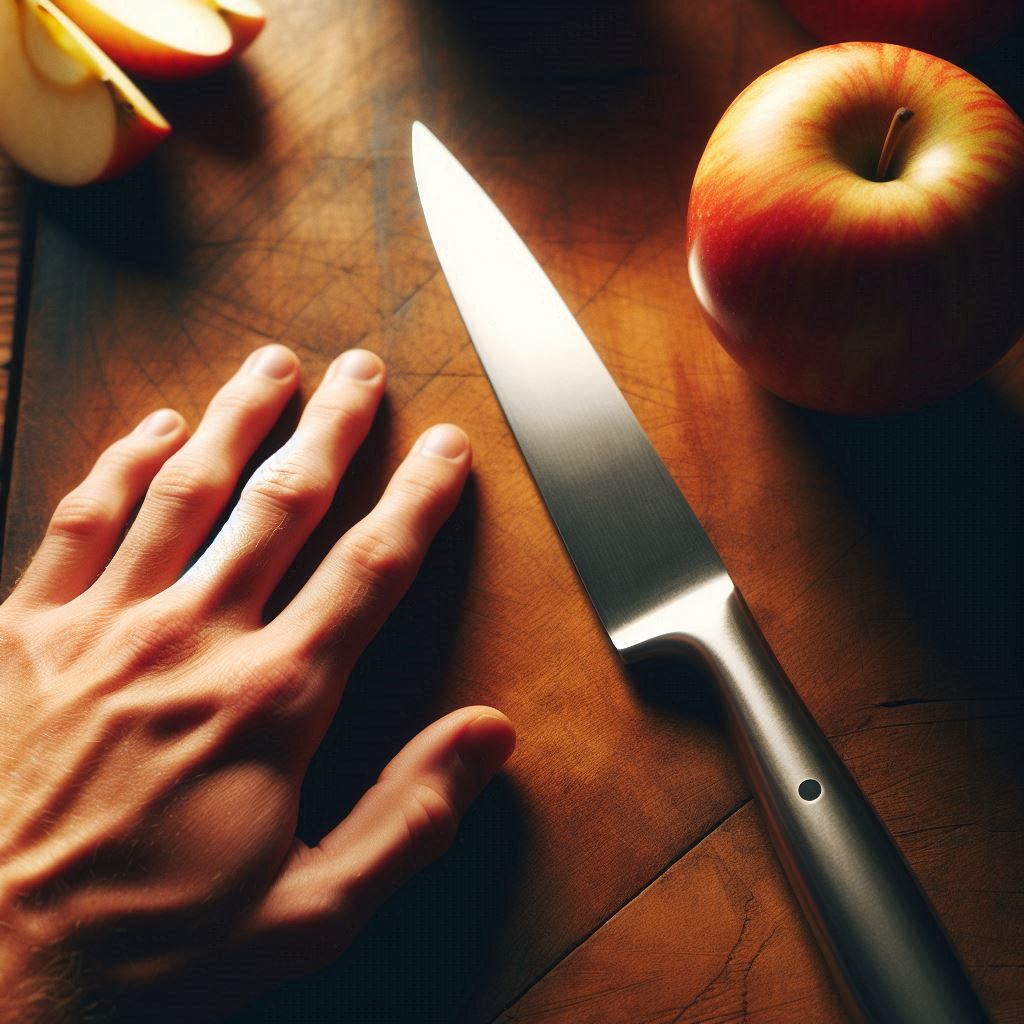
I glanced at her hand hovering over the knife, hesitant but hopeful, like she was asking permission for something bigger than slicing apples.
“Sure,” I said, sliding the cutting board closer. “I’ll show you.”
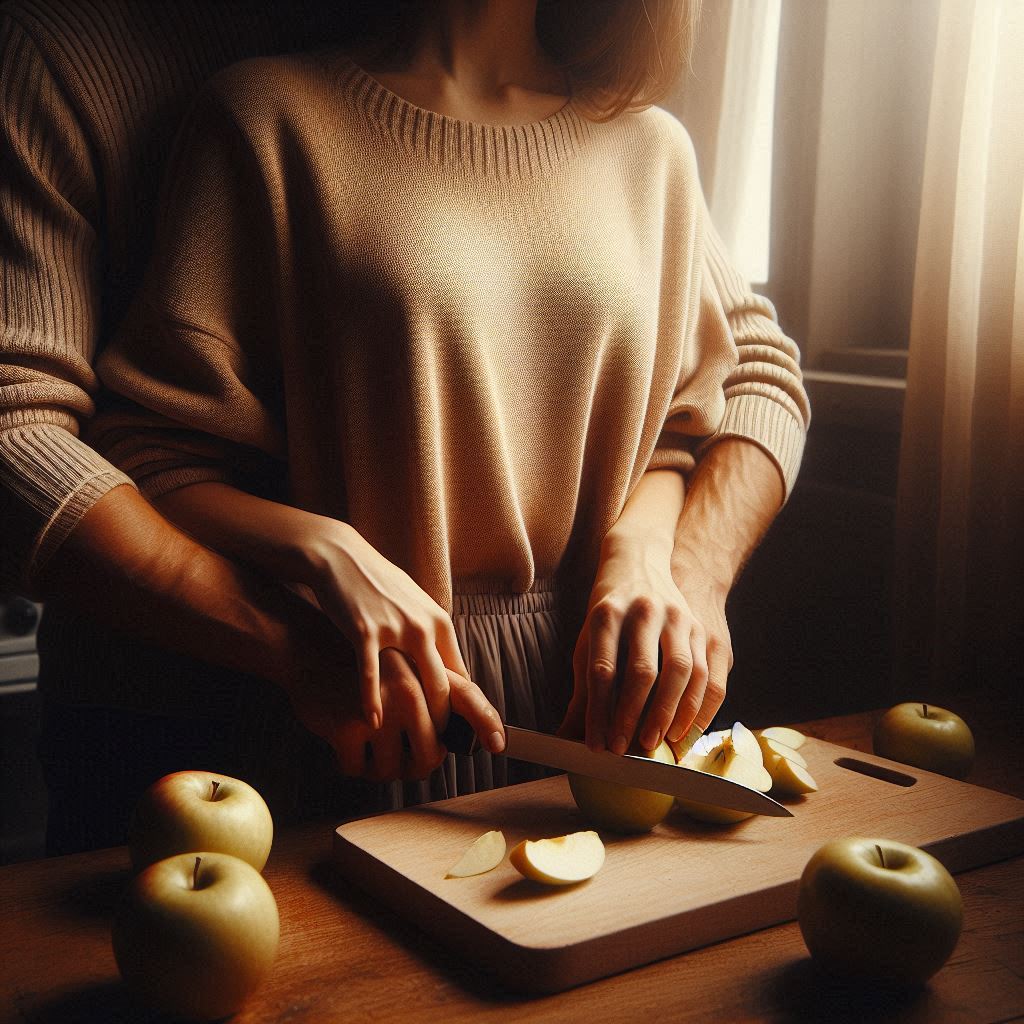
I demonstrated slowly—how to keep your fingers tucked in, how to let the blade do the work, how rushing only leads to mistakes. She watched closely, nodding, absorbing every word like it mattered.
And maybe it did.
We worked side by side, shoulder to shoulder, the rhythm of cutting settling into something calm. I showed her how to toss the apples with sugar and cinnamon, how to taste and adjust instead of measuring perfectly.
“Cooking’s like people,” I said without thinking. “You don’t need everything exact for it to turn out good.”
She paused, then smiled—small, but real.
“I like that,” she said.
I realized then how young she still was. Not just in age, but in the way she moved through the world—careful, observant, like someone who’d learned early not to take up too much space. She didn’t talk much, but when she did, it felt intentional. Thoughtful.
Like someone trying on trust for the first time.
Earlier that evening, I’d been all nerves.
Meeting your partner’s child isn’t like meeting friends or parents. There’s no script. No safe small talk. You’re stepping into a story that already has history, memories, maybe even wounds you didn’t create but are expected to respect.
I’d worried about everything:
Would she like me?
Would she resent me?
Would she see me as an intruder?
At dinner, she’d been polite but distant. Answered questions. Smiled when appropriate. Watched more than she spoke. I told myself not to read too much into it—but of course, I did.
Then there we were, in the kitchen, elbows brushing, apples piling up in the bowl.
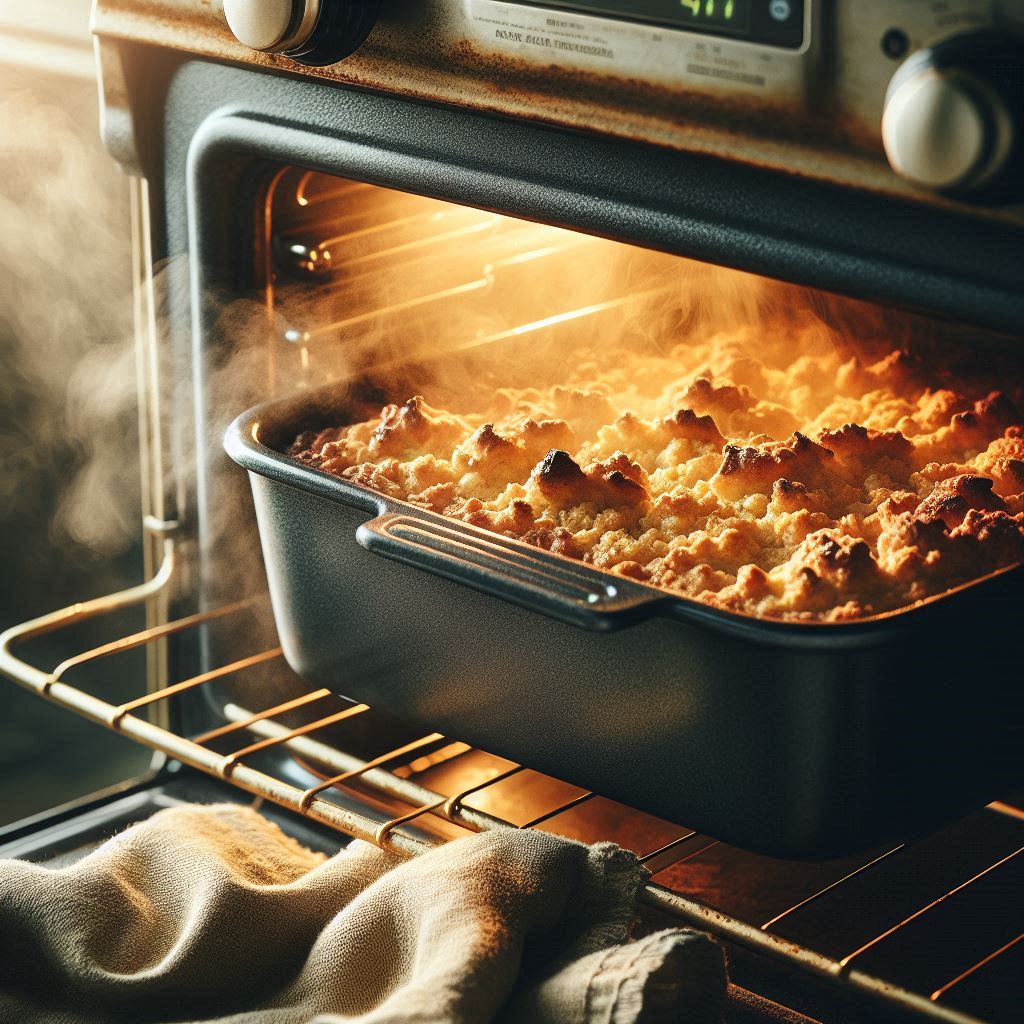
When we slid the crisp into the oven together, she lingered instead of leaving. We stood there watching it bake, the topping slowly turning golden, juices bubbling at the edges.
“We did that,” she said.
Not you.
Not I helped.
We.
Something in my chest softened.
“It smells amazing,” I said.
She nodded. “My mom used to make apple crisp. Not like this, though.”
The words hung there—not heavy, not dramatic, just honest.
I didn’t rush to respond. Didn’t ask questions she might not want to answer. Sometimes the most respectful thing you can do is let silence breathe.
“That’s okay,” I said gently. “There’s room for more than one version.”
She glanced at me, like she was measuring the truth of that statement.
When her dad came back in, laughing about something work-related, we both stepped back instinctively, returning to our roles. But something had shifted.
We weren’t strangers anymore.
After dessert, as everyone complimented the crisp, she looked at me once—just once—and smiled like we shared a secret.
Later that night, after they’d left and the kitchen was quiet again, I stood at the sink washing dishes, replaying the moment in my head. The knife. The apples. The way she said we.
That’s when it hit me.
I hadn’t been trying to impress anyone.
I hadn’t been auditioning for a role.
I’d been building something.
We talk about family like it’s automatic—something you’re born into, something that just exists. But the truth is, families don’t always arrive whole.
Sometimes they come fractured.
Sometimes they come cautiously.
Sometimes they arrive one small gesture at a time.
A shared recipe.
A shared silence.
A question asked softly: Can I help?
Every time I peel apples now, I think of that evening. Of how belonging doesn’t happen in grand declarations or perfect moments. It happens when someone feels safe enough to step closer. When you make room without demanding certainty.
I didn’t become part of her life that night.
And she didn’t suddenly trust me completely.
But we took a step.
And sometimes, that’s everything.
Because family isn’t built in one conversation or one dinner. It’s built in the quiet spaces—in kitchens, in ordinary tasks, in moments where no one is watching.
It’s built when you show someone they don’t have to earn their place.
They can simply belong.
And that apple crisp?
It wasn’t perfect.
But it was good.
Just like us, learning—slowly, bravely—how to become something new together.
0 Comments