

When Love Is Asked to Hide: A Hard Lesson About Respect, Boundaries, and Self-Worth
Living With a Wheelchair—and With Assumptions
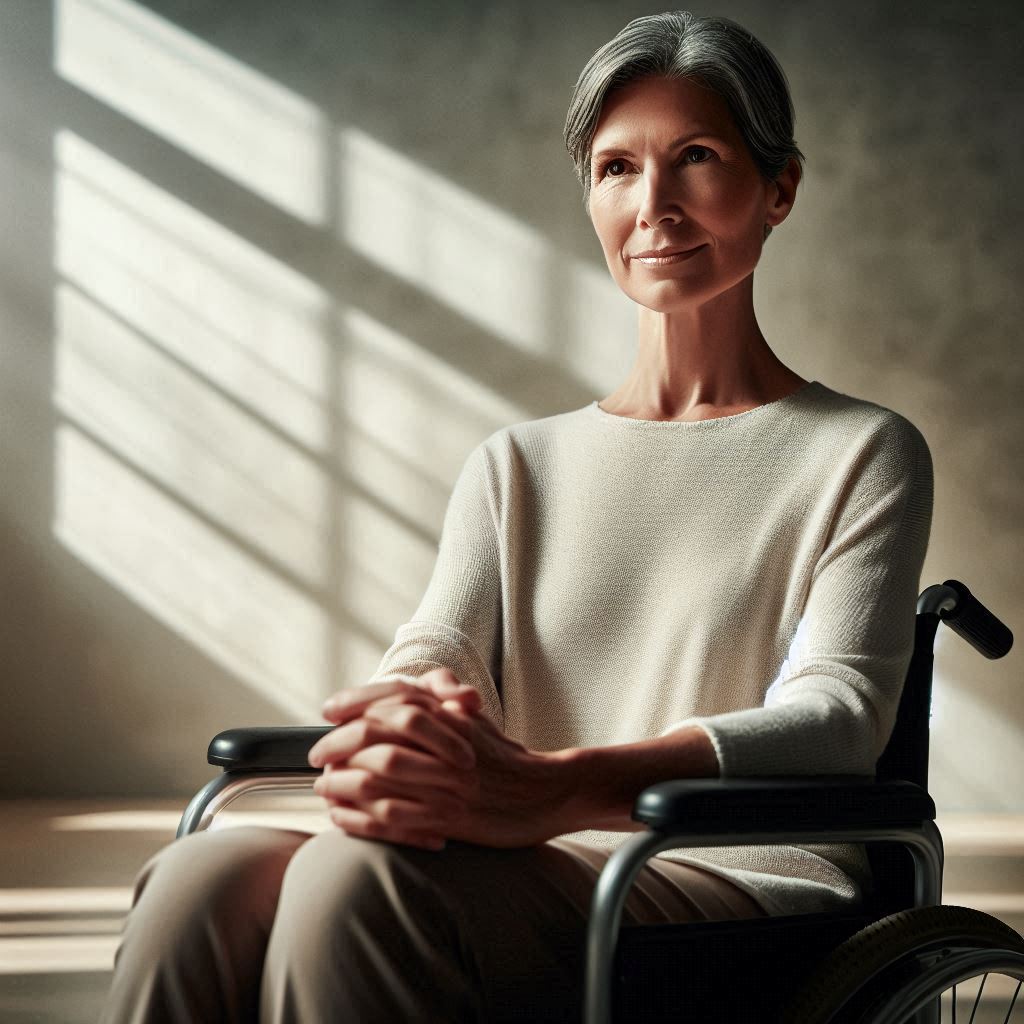
I’ve been in a wheelchair since I was seventeen. Over the years, I learned how to live with it—not just physically, but socially. The stares. The awkward pauses. The well-meaning but misplaced pity. None of it surprises me anymore.
Or at least, that’s what I thought.
Nothing prepared me for the conversation I had with my sister last week.
She’s getting married soon, and I had been genuinely happy for her. I supported her plans, listened to her excitement, and quietly worked on a surprise I hoped would mean the world to her. I had been saving for months to give her an all-expenses-paid honeymoon—a gift meant to celebrate her new beginning.
I never imagined that, in her eyes, I would become a problem to manage.
A Request That Changed Everything
One evening, she pulled me aside. Her voice was hesitant, careful, like she knew she was stepping into dangerous territory.
“Could you maybe… not use your wheelchair at the ceremony?” she asked.
I froze.

She continued, explaining that it would “ruin the vintage aesthetic” she was going for. She suggested renting a more “decorative” chair. When I said no, she offered another solution—sit in the back, out of sight, so I wouldn’t “ruin the photos.”

In that moment, it felt like the ground shifted beneath me.
When Calm Meets Cruelty
I tried to stay calm. I really did. But my voice cracked when I finally said,
“Do you think I can just choose to walk for a day? That’s insulting.”
Instead of understanding, she cried. She accused me of being difficult.
“If you won’t compromise,” she shouted, “then don’t come at all!”
I looked at her, steady and quiet, and replied,
“Then I won’t. And since I won’t be there, there’s no need for a wedding gift either.”
I didn’t raise my voice. I didn’t threaten. I simply stated a truth.
She slammed the door behind her, leaving me alone with a silence heavier than any argument.
The Gift She Never Knew About
That night, I sat with the weight of everything she’d said. The honeymoon gift—my secret surprise—suddenly felt painful to think about. It wasn’t about money. It was about intention. Love. Thoughtfulness.
I never planned to use it as leverage. But her words had broken something inside me. Not my pride—but my trust.
An Apology That Wasn’t One
The next day, she called again. Her tone had changed—quick, nervous, almost rehearsed.
“You can come,” she said.
Then, without missing a beat, she added,
“This way, I can still get my wedding gift, right?”
That was the moment everything became clear.
This wasn’t remorse. It was fear of losing something valuable.
I didn’t argue. I didn’t explain. I simply hung up.
What I Finally Understood
For years, I told myself that love meant patience. That family meant endurance. That overlooking hurt was part of keeping peace.

But this experience taught me something I should have learned long ago:
Love without respect isn’t love at all.
Being included conditionally is not inclusion.
Being tolerated for appearances is not acceptance.
Choosing Self-Respect Over Obligation
For the first time, I allowed myself to step back—not out of anger, but clarity. Distance isn’t punishment. Sometimes, it’s protection.

Maybe the best gift I can give my sister now isn’t a honeymoon or a grand gesture.
Maybe it’s the quiet lesson that people are not decorations, and dignity is not optional.
And maybe the most important thing I gave myself was permission to walk—or roll—away from a place where I was asked to disappear.
0 Comments