

The Tiny Hole in Your Nail Clippers Has a Purpose — And Once You Know It, You’ll Never Look at Them the Same Way
Most of us use nail clippers almost automatically. We reach into a drawer, trim our nails, put the clippers back, and move on with our day without giving them a second thought. They’re one of those everyday tools that fade into the background of life — small, familiar, and seemingly simple.
But if you pause for just a moment and really look at a standard pair of nail clippers, you’ll notice a small detail that often goes unnoticed: a tiny round hole near the end of one of the handles.
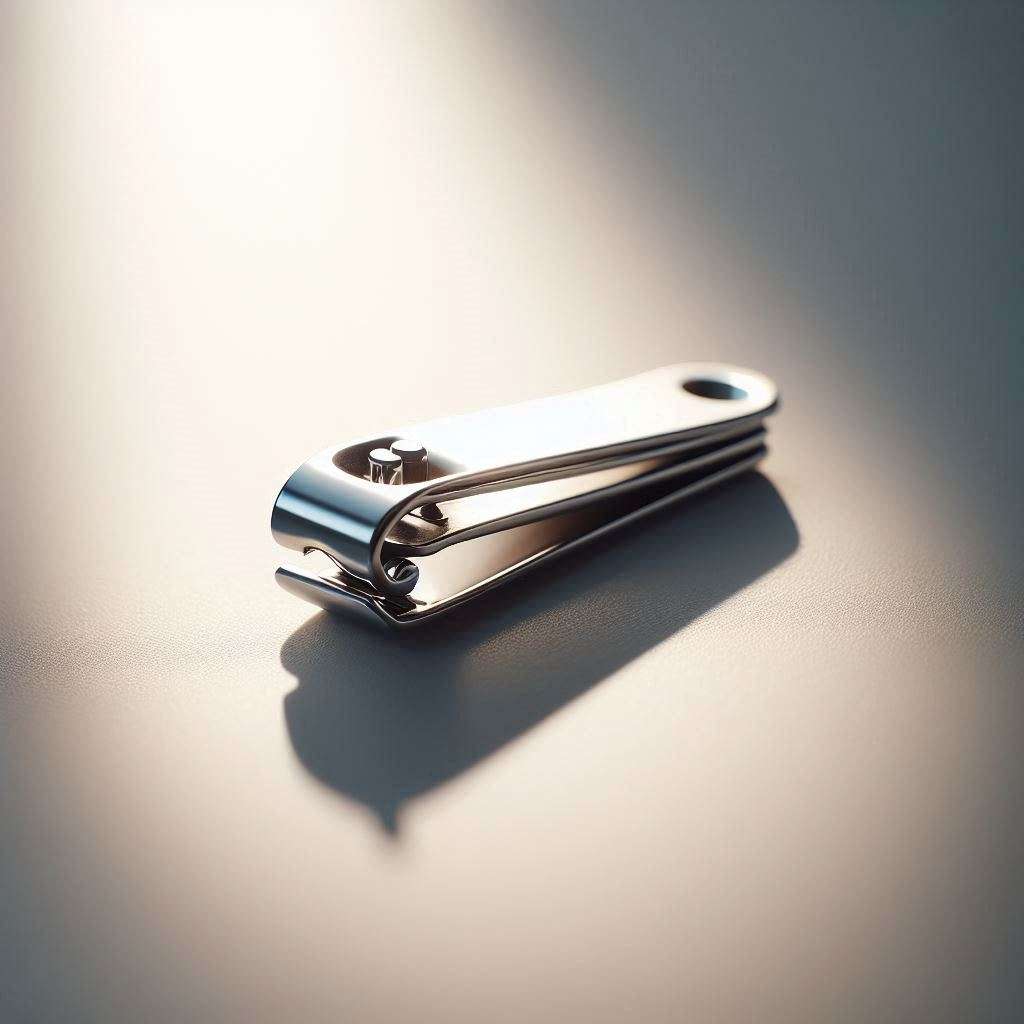
At first glance, it might seem decorative, or even pointless. Many people assume it’s just part of the manufacturing process or an aesthetic choice. But that little hole isn’t random at all. In fact, it serves multiple practical purposes and reflects thoughtful design decisions that have stood the test of time.
Understanding why that hole exists reveals something surprisingly meaningful about everyday objects — and how even the smallest design details can quietly make our lives easier.
A Simple Feature With a Practical Purpose
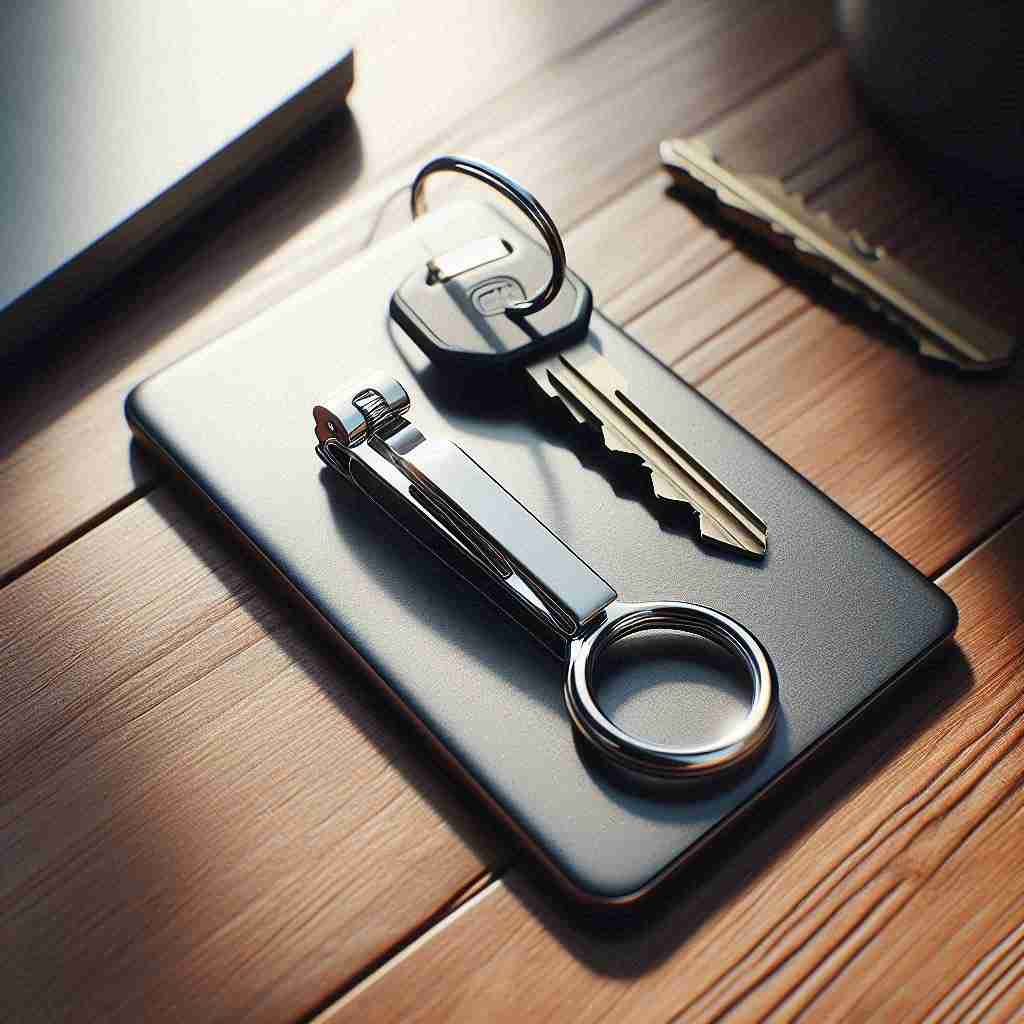
The primary purpose of the hole in nail clippers is convenience. Specifically, it allows the clipper to be attached to a keychain, small ring, or lanyard.
This might not seem important at first, but consider how often nail clippers go missing. They’re small, lightweight, and easy to misplace. One moment they’re in the bathroom drawer, the next they’re gone — buried under toiletries, lost in a travel bag, or forgotten entirely.
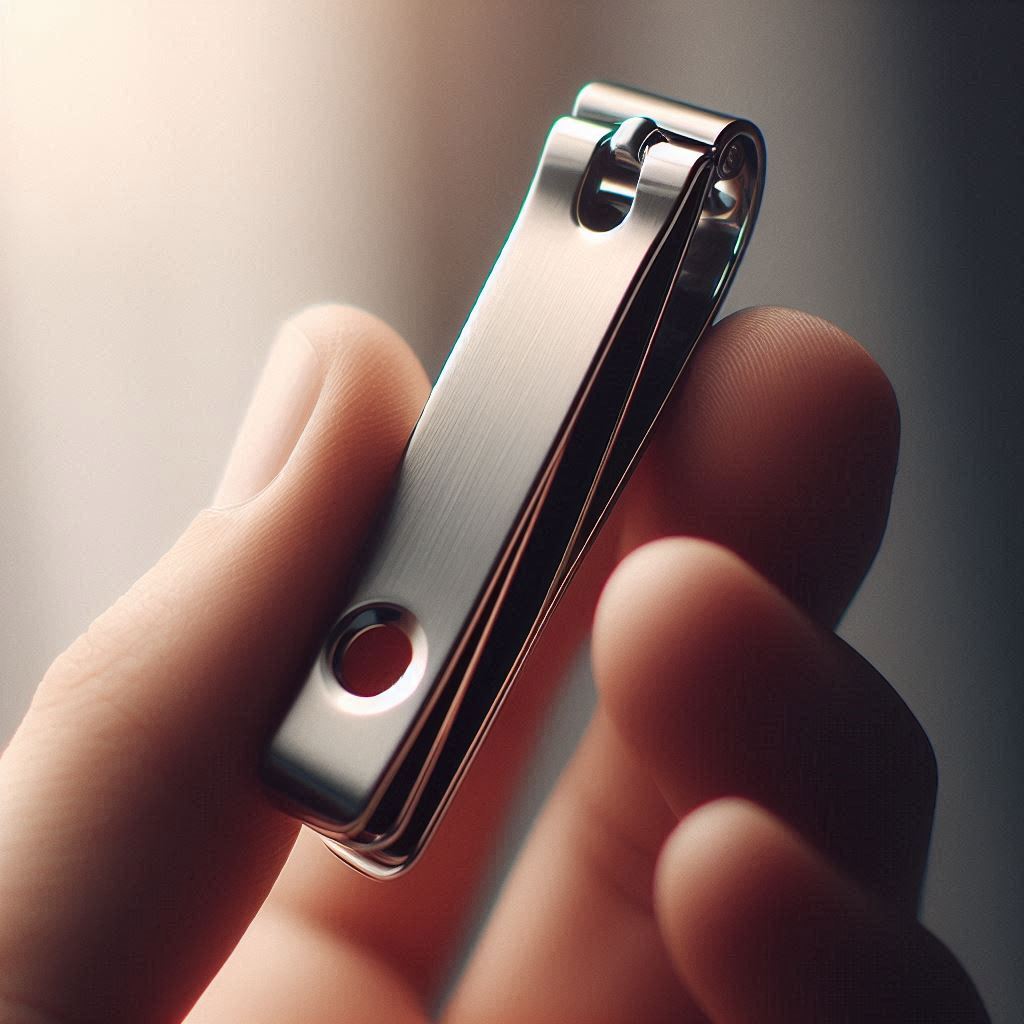
By adding a small hole, manufacturers made it possible for people to keep nail clippers securely attached to something they already carry or store in a consistent place. When clipped to a keychain, grooming kit, or organizer, the chances of losing them drop dramatically.
This feature is especially useful for:
- Travelers who want quick access to grooming tools
- Students living in shared spaces
- Families managing multiple household items
- People who keep nail clippers in bags or cars
That tiny hole turns a small, easily lost object into something far more reliable.
Designed for Life on the Go
Long before modern bathrooms and organized storage spaces became common, people needed practical ways to carry personal tools. Nail clippers were often kept in pockets, bags, or small cases. The hole made it easy to secure them, preventing loss and damage.
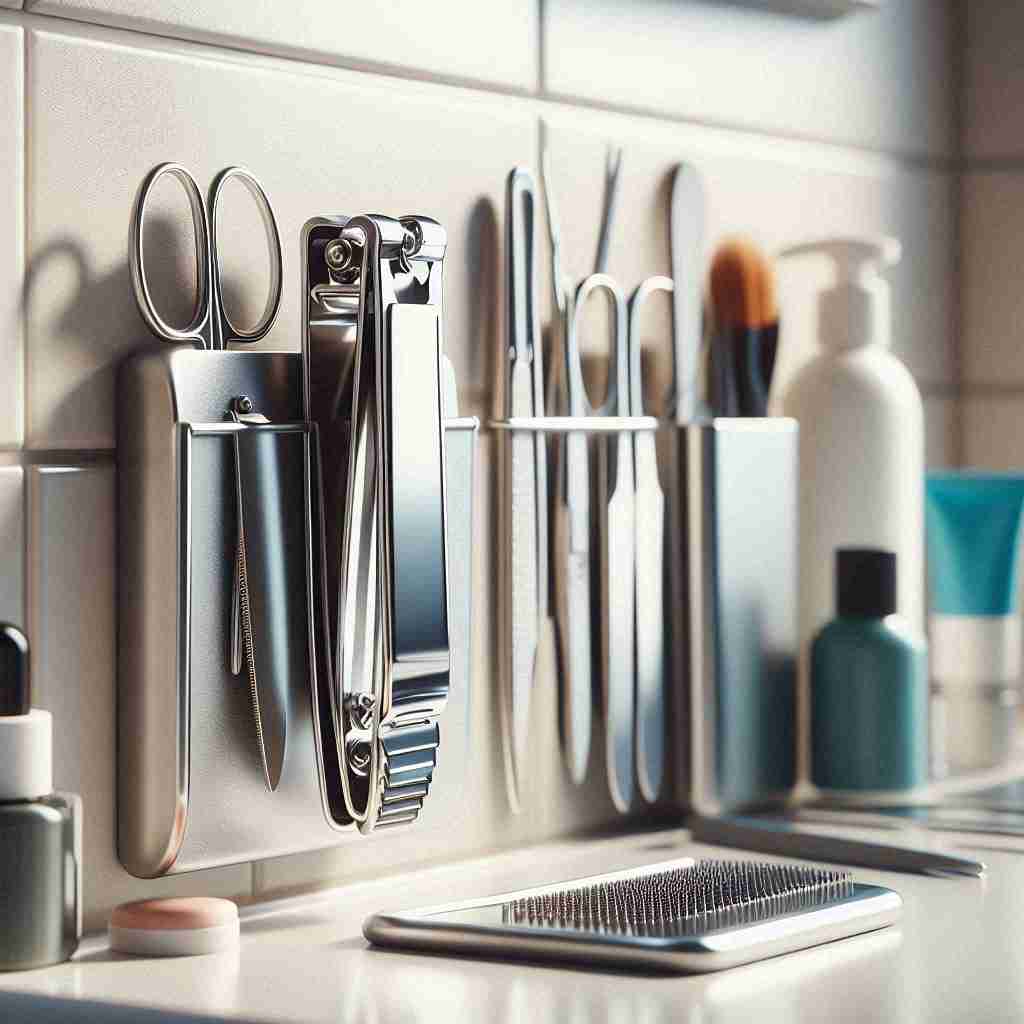
Even today, many people prefer compact, portable solutions. Nail clippers with a keyring hole fit seamlessly into modern lifestyles — whether that means attaching them to a travel pouch, hanging them in a locker, or keeping them accessible during long workdays.
It’s a subtle design choice, but one that shows how manufacturers anticipated real-life needs instead of focusing solely on appearance.
More Than One Use: Hidden Benefits You Might Not Know
Beyond attaching the clipper to a keychain, the hole offers several additional benefits that many users discover accidentally.
1. Better Grip and Control
Some people slip a finger through the hole while trimming their nails. This can provide extra stability and control, especially when cutting nails at awkward angles or helping someone else with grooming. For individuals with limited hand strength or dexterity, this added grip can make a noticeable difference.
2. Easy Storage and Organization
The hole allows nail clippers to be hung on hooks or mounted organizers. This keeps them clean, dry, and easy to reach — particularly in bathrooms where drawer space is limited.
3. Keeping Multiple Tools Together
Many people use separate clippers for fingernails and toenails. Attaching both to the same ring ensures they stay together while still remaining easy to separate when needed.
These secondary uses show how a single small feature can serve multiple functions without complicating the design.
A Design That Has Stood the Test of Time
The hole in nail clippers isn’t a modern innovation. Versions of this feature date back to the late 19th century, when early grooming tools were first becoming widely available.
Back then, portability and durability were essential. People didn’t have large storage cabinets or specialized grooming kits. Tools needed to be practical, compact, and reliable. The hole solved a problem in a simple, elegant way — and because it worked so well, it remained part of the design.
Even today, with countless variations of nail clippers available in different materials and styles, most still include that same small hole. It’s a rare example of a design choice that required no improvement because it already did exactly what it needed to do.
Thoughtful Design in Everyday Life
What makes this detail so interesting isn’t just its function — it’s what it represents.
So often, we associate good design with flashy technology, expensive products, or dramatic innovation. But true thoughtful design often appears in the most ordinary places. It shows up in tools we use daily without noticing, quietly making our routines smoother and more efficient.
The hole in nail clippers is a reminder that:
- Small details matter
- Practical thinking outlasts trends
- Simplicity can be powerful
It’s proof that good design doesn’t need to announce itself. It simply works.
Why We Rarely Notice What Helps Us Most
Because nail clippers work so reliably, we rarely stop to question how or why. When something functions smoothly, it fades into the background of our attention. But when we pause and look closer, we often discover layers of thought behind even the most basic objects.
This realization can shift how we view other everyday items — from kitchen tools to clothing to furniture. Many of them carry hidden design choices shaped by years of observation, problem-solving, and real-world use.
In a way, noticing these details helps us appreciate the quiet intelligence woven into daily life.
A Small Reminder With a Bigger Message
The next time you pick up a pair of nail clippers, take a second to notice that tiny hole. It’s not just a piece of metal removed for no reason. It’s a thoughtful solution to everyday problems — portability, organization, and usability — wrapped into a tool most of us take for granted.
In a fast-paced world filled with constant upgrades and replacements, it’s comforting to know that some designs are already “good enough” and don’t need reinventing. They simply continue doing what they were made to do, quietly and effectively.
Sometimes, the smallest details carry the biggest lessons: usefulness doesn’t have to be loud, and good design doesn’t always demand attention. It just makes life a little easier — one small hole at a time.
0 Comments