

I Spent My Whole Life Believing My Brother Was Chosen Over Me — Until One Conversation Changed Everything
Since we were children, the difference between my brother and me was never spoken out loud, yet it was always felt. It lived in the small moments, the quiet decisions, the unasked questions. He seemed to receive the best of everything, while I learned early on how to make do, how to adjust, how to stand on my own.
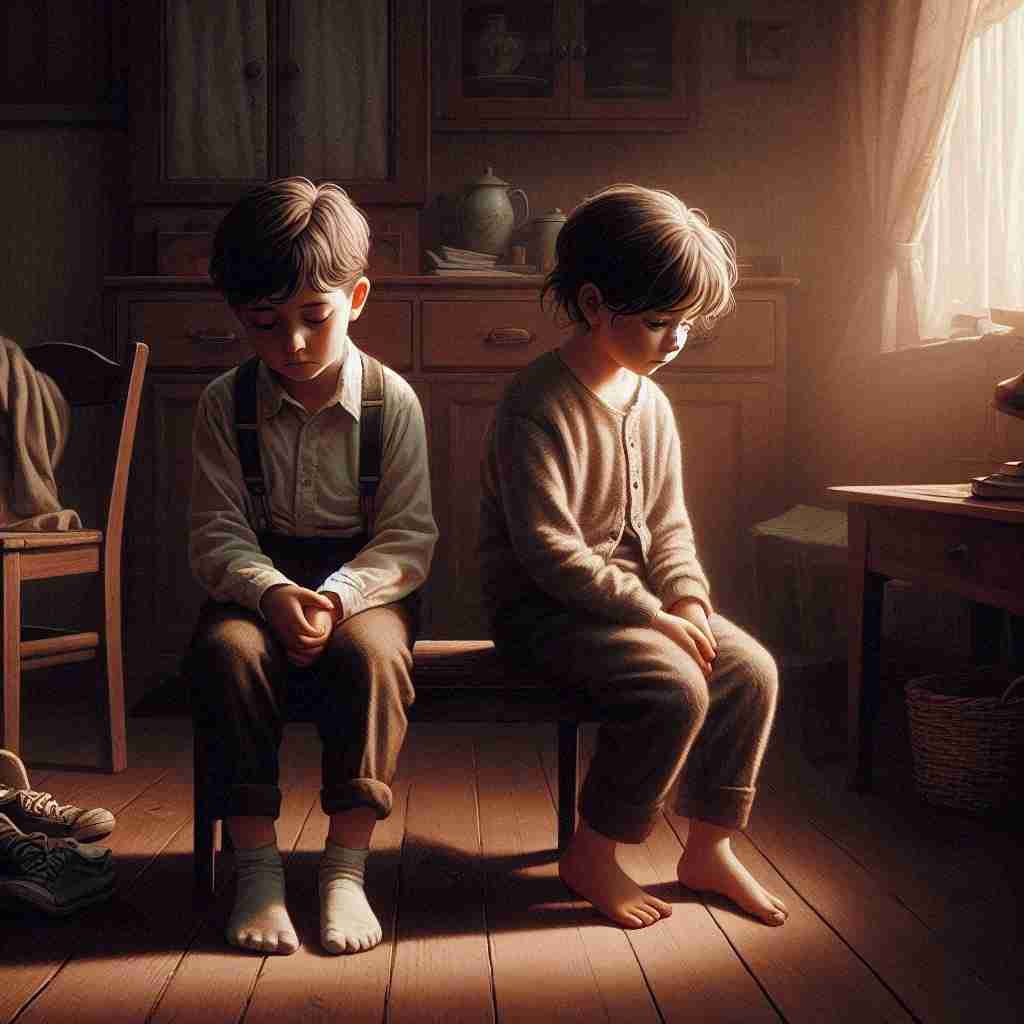
As kids, it showed up in simple ways. My brother had new clothes each school year, encouragement freely given, and support that arrived without conditions. I wore hand-me-downs more often than not. I was praised for being “easy,” for not asking for much, for figuring things out on my own. At the time, I didn’t fully understand why it stung — I only knew that it did.
When we reached adulthood, the contrast became sharper. When my brother went to college, my parents paid his tuition in full. It was never framed as a favor; it was simply what families did, they said. When my turn came, the expectation was different. I worked long shifts at part-time jobs, balancing exhaustion with deadlines, learning quickly how to stretch time and money. I told myself it was making me stronger. I repeated that belief like a mantra — because believing it was easier than admitting how deeply it hurt.

For years, I carried a quiet resentment. I convinced myself that the reason was simple: favoritism. That being the daughter meant being expected to accept less, to need less, to complain less. I didn’t confront it. I didn’t argue. I just absorbed it, letting it shape how I saw myself and my place in the family.
As adults, my brother and I drifted into different rhythms of life. He moved smoothly into stability, supported and confident. I built my world brick by brick — education, career, marriage, and eventually, two beautiful children. Every achievement felt earned, but also heavy. I carried pride and exhaustion in equal measure.
When I became a mother, I made myself a promise. My children would never feel compared. They would never wonder if love or support was conditional. I would build a home rooted in balance, honesty, and fairness. I thought that by doing so, I had made peace with my past.

But unresolved wounds don’t disappear. They wait.
At 43, during what was supposed to be a simple family visit, something cracked open. A small disagreement turned into something larger, and before I could stop myself, decades of buried emotion surfaced. I told my father that I would raise my children differently — that I would make sure they were treated equally, unlike how I felt growing up.
The room went silent.
I expected defensiveness. I expected denial. What I didn’t expect was my father’s face to change completely. His eyes filled with tears, and for the first time, I didn’t see authority or certainty. I saw vulnerability.

My mother tried to speak, perhaps to soften the moment, but my father gently asked her to let him finish. His voice was quiet, steady, and heavy with something I had never heard before — regret.
He told me that when my brother was young, the family had been struggling financially in ways I was too young to remember. There were debts, uncertainty, and constant fear about the future. When things stabilized years later, they believed — mistakenly, he admitted — that pushing me toward independence would prepare me better for life.
“It wasn’t favoritism,” he said. “It was fear. And it was a mistake.”
He explained that they thought I was strong enough to handle more, that I would adapt more easily. Instead of protecting me, they challenged me — without realizing how alone it made me feel. He admitted they never stopped to ask how it felt from my side.
That conversation didn’t rewrite my childhood. It didn’t erase the long nights of exhaustion or the quiet resentment I had carried for years. But it changed something essential: the story I had been telling myself.
For decades, I believed I was valued less. That belief shaped how I loved, how I worked, how much I expected from others — and from myself. In that moment, I realized something painful and freeing at the same time: sometimes hurt isn’t intentional, and understanding doesn’t arrive when we need it most.
It arrives when people are finally ready to speak honestly.

I left that visit lighter than I had arrived. Not because everything was suddenly fixed, but because the weight of misunderstanding had shifted. My parents weren’t perfect. Neither was I. But there was truth now — and truth has a way of softening even the sharpest memories.
When I returned home, I hugged my children tighter than usual. I watched them laugh, argue, forgive, and grow. I realized that fairness isn’t always about equal outcomes. It’s about intention, communication, and the courage to listen — even when it’s uncomfortable.
Healing doesn’t always come early. Sometimes it arrives late, wrapped in vulnerability and honesty. And when it does, it still counts.
That conversation didn’t change the past — but it changed how I carry it. And that, I’ve learned, is how real healing begins.
0 Comments