

My Dad Left Everything to His New Wife — Then One Conversation Changed Everything
When my father remarried, I told myself I was happy for him.
That’s what grown children are supposed to say, isn’t it?
You smile politely. You pretend the age difference doesn’t make you uncomfortable. You ignore the awkwardness of watching your father hold hands with someone younger than you are. You convince yourself that love is complicated and people deserve happiness, even when that happiness arrives in a form you never expected.
So I tried.
Her name was Liv.
She was twenty-eight.
I was thirty-four.
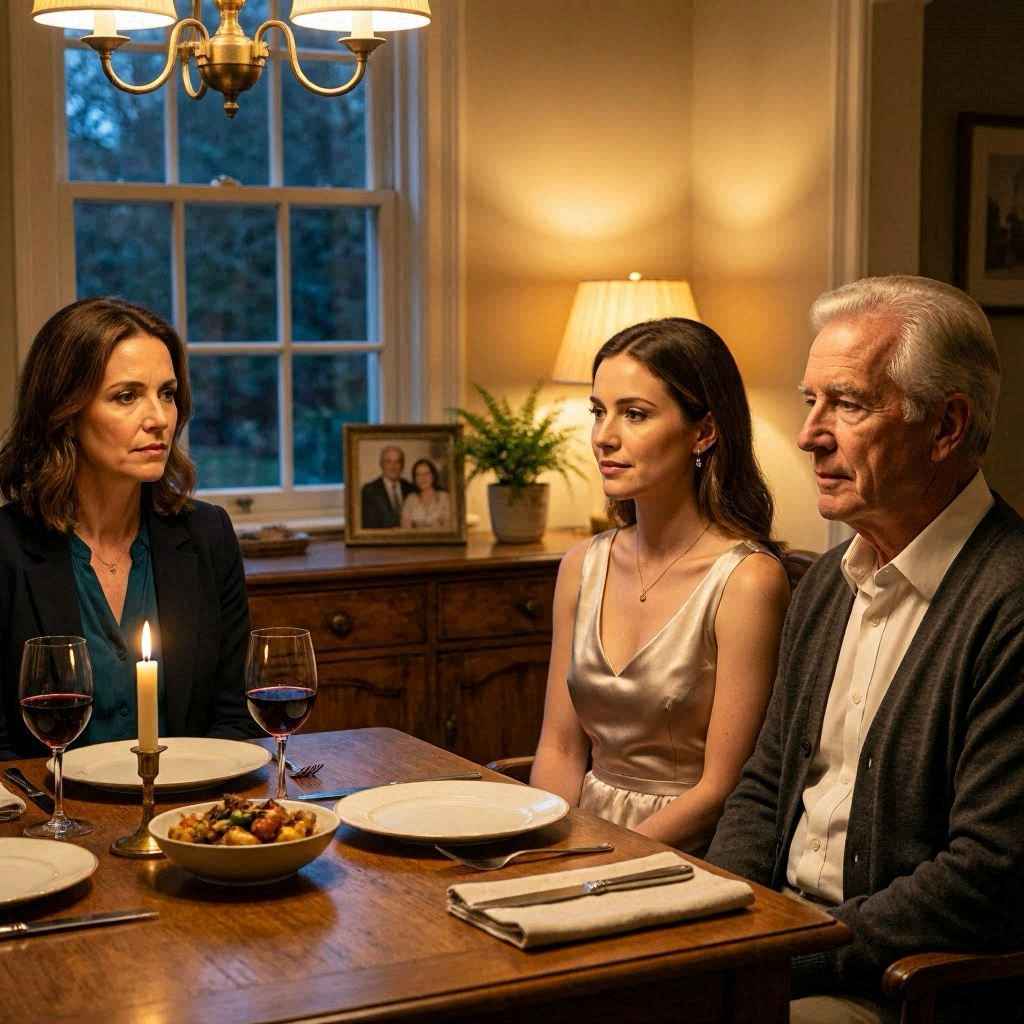
And somehow, overnight, I became the older woman sitting across the dinner table from my father’s new bride.
At first, I kept my distance quietly. I answered texts politely. I attended holidays. I learned how to survive conversations where friends awkwardly asked, “Wait… your stepmother is younger than you?”
But beneath all the forced smiles was something much uglier that I didn’t want to admit aloud:
I felt replaced.
Not just emotionally.
Financially too.
The Conversation That Changed Everything
Last month, my father invited me over for dinner.
It sounded casual enough.
Liv cooked pasta. My father opened wine. The television hummed softly in the background while we made painfully polite conversation about work, traffic, and the weather.
Then, halfway through dinner, my father cleared his throat.
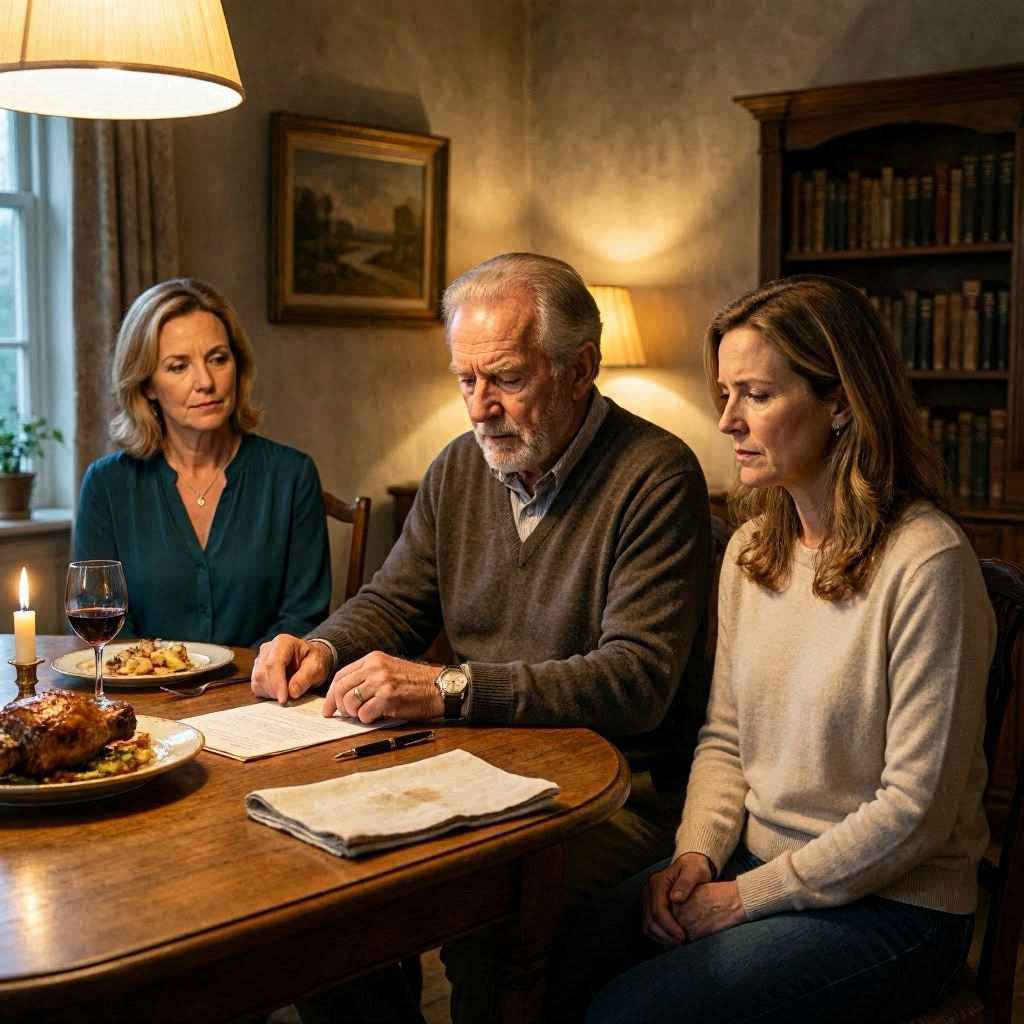
“There’s something I need to tell you.”
The room instantly felt smaller.
He wouldn’t look directly at me when he spoke.
“I updated my inheritance plan.”
I remember blinking slowly, trying to understand why he sounded nervous.
Then he continued.
“The house… the savings… everything will go to Liv.”
Silence.
Not dramatic movie silence.
Real silence.
The kind where your ears ring because your body suddenly doesn’t know what to do with the pain.
My father rushed to explain.
“Liv needs to be taken care of.”
And beside him, Liv gave a small smile.
Not cruel exactly.
But uncomfortable.
Like someone trying to survive an awkward moment without knowing where to look.
Still, in that moment, it felt like betrayal.
A complete one.
Feeling Disposable Hurts More Than Losing Money
People love pretending inheritance fights are only about greed.
They aren’t.
Not usually.
Money becomes emotional because it represents something deeper.
Security.
Belonging.
Recognition.
Continuity.
When my father said everything would go to Liv, what I heard was:
“You are no longer my future.”
I wasn’t angry because I expected millions.
My father isn’t some billionaire businessman.
The house is modest. The savings are comfortable but not life-changing.
What hurt was the realization that I had somehow become secondary in my own family story.
Like I was being slowly edited out of the picture to make room for someone newer and younger.
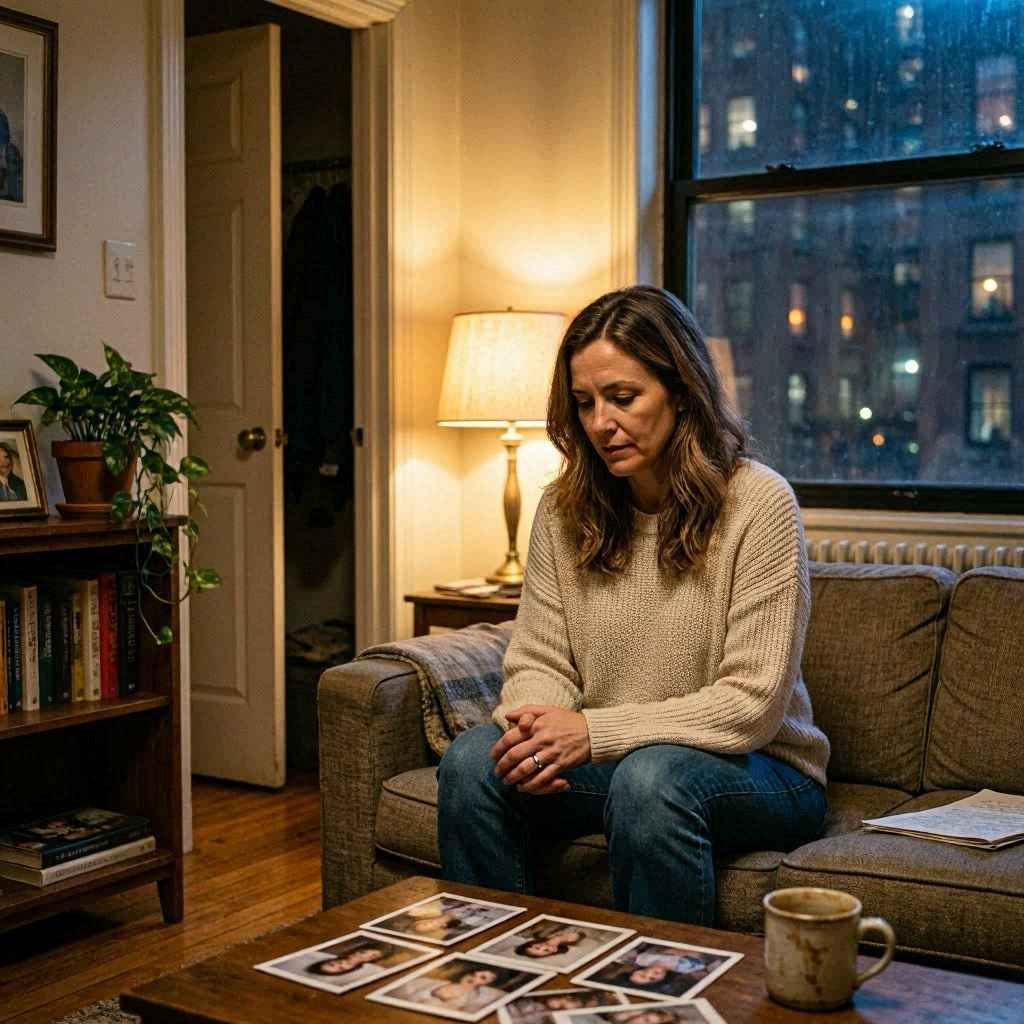
For days afterward, I replayed the dinner in my mind over and over.
The careful tone in my father’s voice.
Liv staring down at her plate.
The unbearable embarrassment of trying not to cry in front of people determined to act normal.
I Started Pulling Away
After that dinner, I stopped answering calls as quickly.
I skipped Sunday lunches.
I kept conversations short.
Part of me wanted my father to notice.
Another part hoped he wouldn’t.
Because if he noticed and still did nothing, I wasn’t sure I could survive hearing confirmation that I truly didn’t matter anymore.
Meanwhile, resentment toward Liv grew quietly inside me.
I told myself she knew exactly what she was doing.
That she enjoyed the power.
That she saw me as competition.
It was easier to make her the villain than admit how badly I missed my father.
How terrified I was of losing him emotionally long before losing him physically.
The Question I Finally Forced Myself to Ask
A few weeks later, my father called unexpectedly.
His voice sounded tired.
“Can we talk?” he asked.
I almost said no.
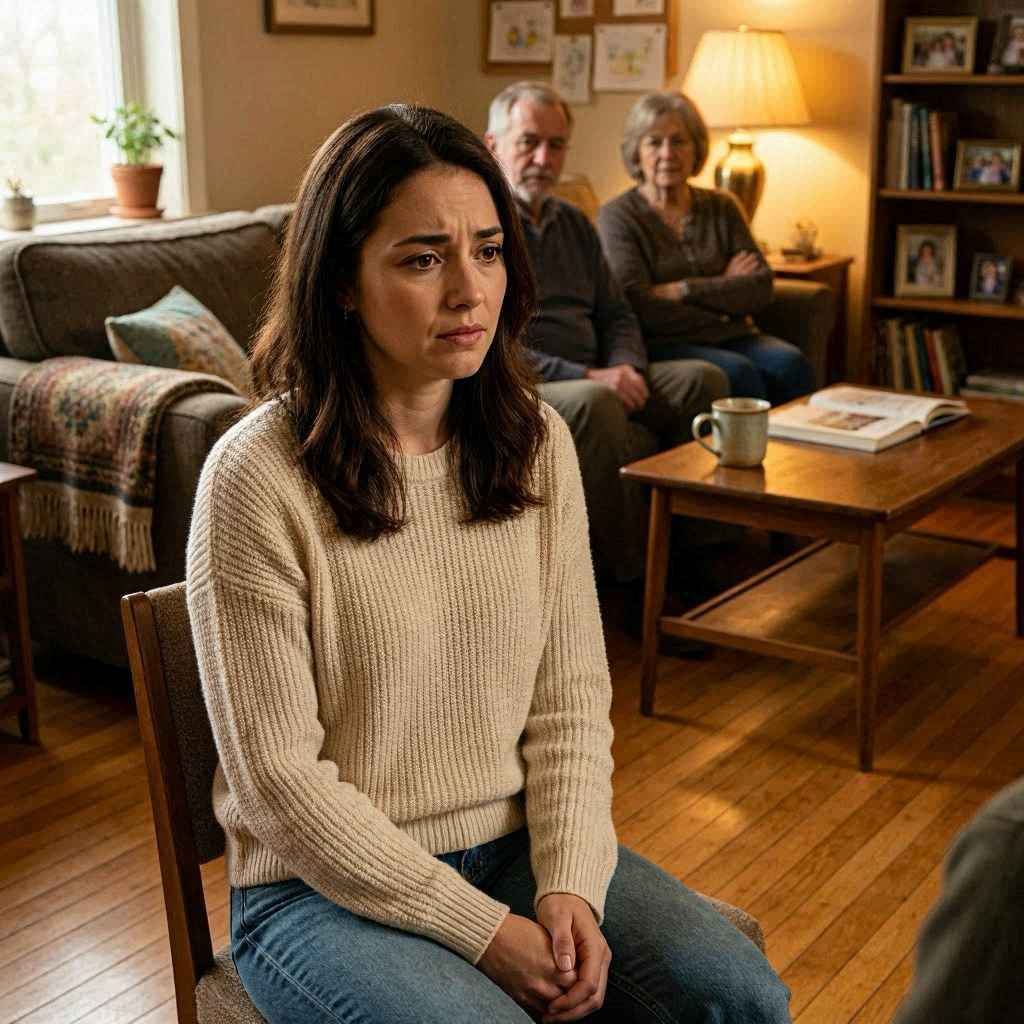
But something in me was exhausted from carrying anger around like armor.
So I agreed.
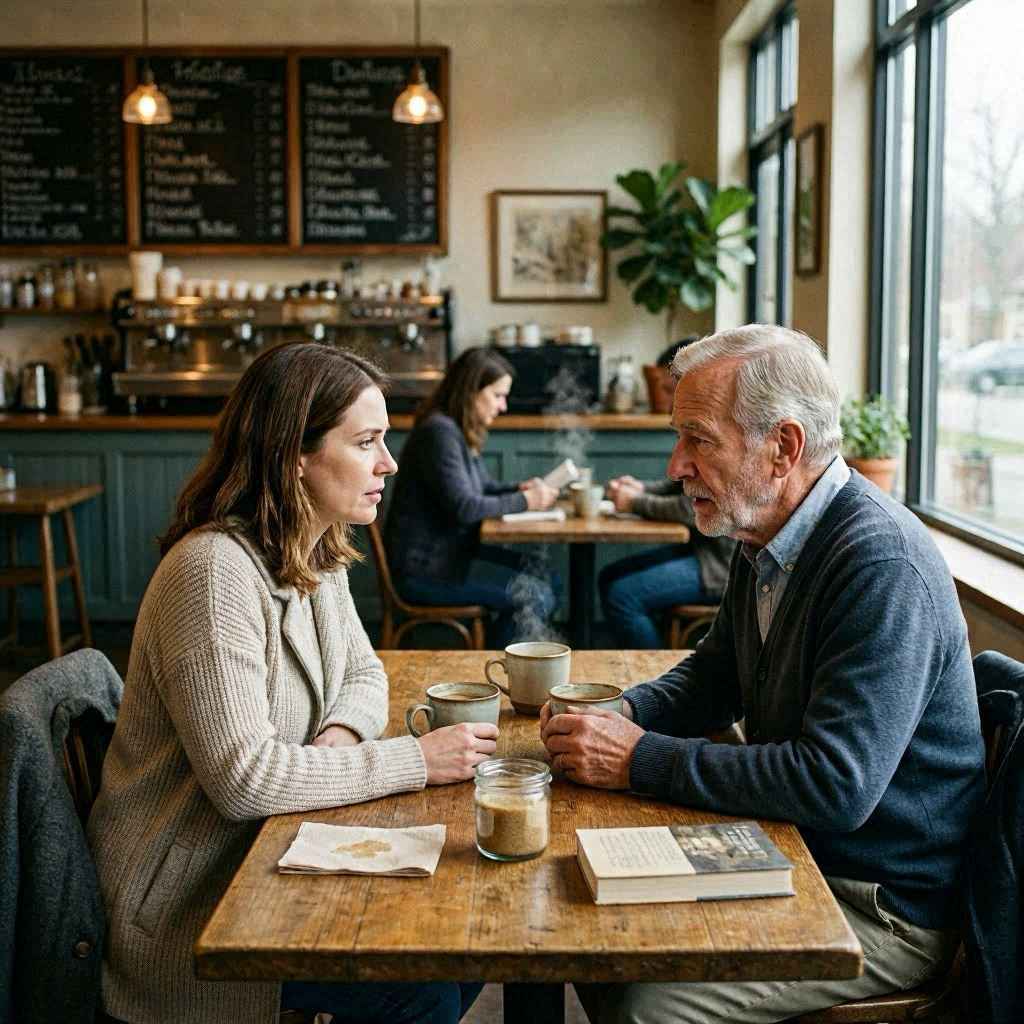
We met at a small café near his neighborhood.
For the first twenty minutes, neither of us said anything important.
Then finally I looked at him and asked the question that had been sitting inside me since that dinner.
“Did you ever stop to imagine what my life would feel like after hearing that?”
He froze.
Not dramatically.
Just completely still.
I kept going because once the words started, I couldn’t stop them anymore.
“You talked about protecting Liv,” I said quietly. “But did it ever occur to you that maybe your daughter needed to feel protected too?”
His eyes immediately filled with something I hadn’t expected.
Not anger.
Not defensiveness.
Fear.
Real fear.
The kind that appears when someone suddenly realizes they may have damaged something they thought would always survive.
The Man Behind the Confidence
For the first time since marrying Liv, my father stopped sounding confident.
All those rehearsed explanations about financial planning and practical decisions disappeared.
And underneath them was just… a scared older man.
A man terrified of aging alone.
Terrified of illness.
Terrified of becoming dependent.
Terrified that if he didn’t secure Liv financially, she might eventually leave too.
That realization changed something inside me.
Not because it erased the hurt.
It didn’t.
But suddenly I could see that his decisions weren’t driven by cruelty as much as panic.
He had been trying so hard to hold onto his new life that he failed to notice how disposable he had accidentally made me feel.
And honestly?
I don’t think he understood that until I finally said it aloud.
Liv Surprised Me Too
Then something happened I truly didn’t expect.
Liv spoke.
Quietly.
Carefully.
“I thought you hated me,” she admitted.
I stared at her.
She looked nervous in a way I had never seen before.
“I figured your distance meant you’d already let him go emotionally,” she continued. “I thought you didn’t want much to do with him anymore.”
I almost laughed at how wrong she was.
The distance had never been indifference.
It had been grief.
Self-protection.
Humiliation.
But apparently, from her side of the table, it looked completely different.
Then she said something that stayed with me long after that conversation ended.
“I know people judge me because of the age gap,” she said softly. “Sometimes I feel like no matter what I do, everyone assumes I’m temporary.”
And suddenly, painfully, I recognized something familiar in her too.
Fear of not belonging.
Fear of being unwanted.
Fear of being seen as replaceable.
The same fear I’d been drowning in myself.
We Didn’t Solve Everything
I wish I could say there was a dramatic reconciliation.
There wasn’t.
Nobody tore up legal papers.
Nobody made emotional speeches.
The inheritance situation didn’t magically disappear.
Real life rarely works like that.
But something more important happened instead.
We stopped treating each other like enemies fighting over leftovers.
For the first time in months, we spoke honestly.
Not politely.
Not strategically.
Honestly.
And honesty changed the atmosphere more than any rewritten will ever could.
Families Are More Fragile Than People Admit
One thing I’ve learned through all of this is that families rarely break apart all at once.
Usually, they fracture quietly.
Through assumptions.
Through silence.
Through conversations people avoid because vulnerability feels too dangerous.
My father assumed I would “understand.”
I assumed Liv wanted to erase me.
Liv assumed I no longer cared about my father.
None of us were fully correct.
But we behaved as though our assumptions were facts.
And that’s how emotional distance grows inside families until suddenly everyone feels alone while sitting at the same dinner table.
The Legacy That Actually Matters
For weeks, I obsessed over legal documents.
Who gets the house.
Who gets savings.
Who gets what after death.
But eventually I realized something uncomfortable:
The deeper wound had never really been about property.
It was about feeling replaced.
Invisible.
Less important.
And once that truth was finally acknowledged aloud, the legal details lost some of their power over me.
Not completely.
But enough.
Because inheritance can distribute money.
It cannot distribute love fairly.
And sometimes adults accidentally confuse the two.
Learning to Stay at the Table
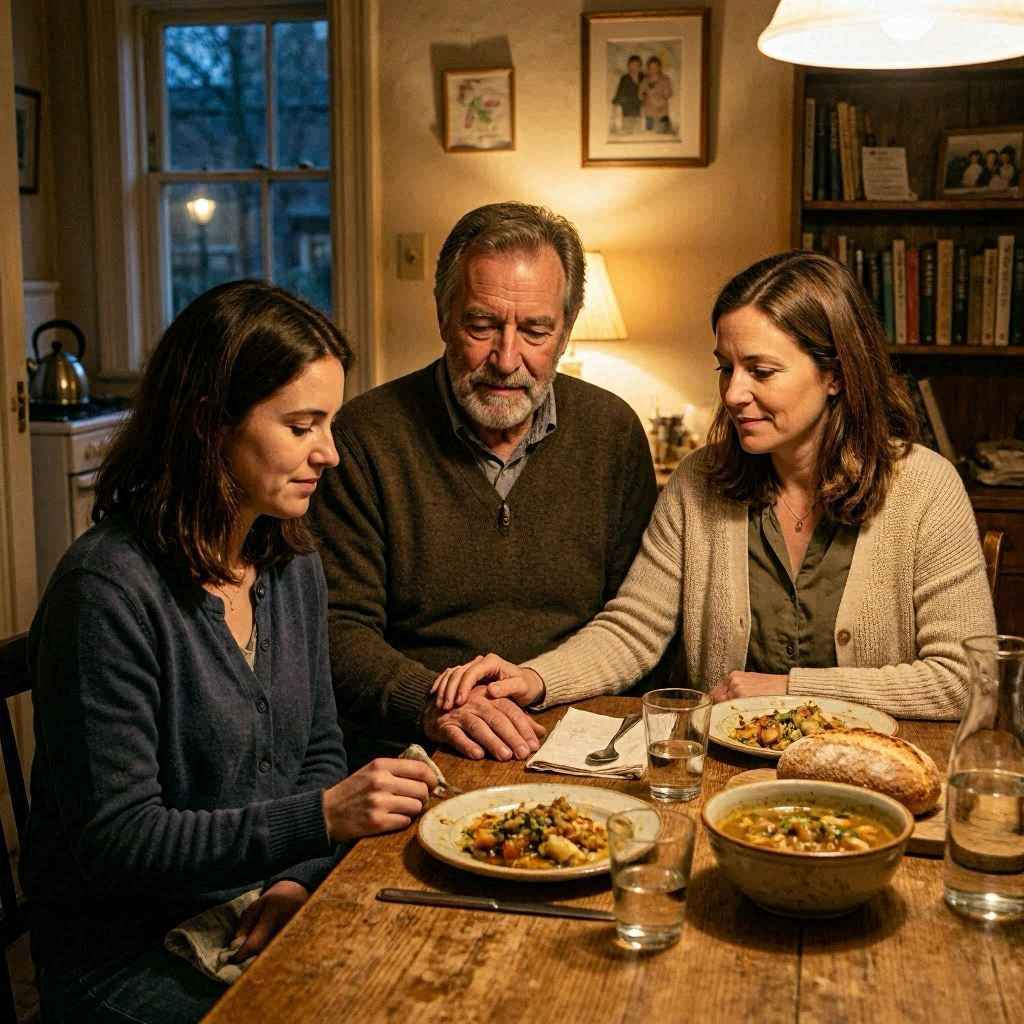
These days, things are still awkward sometimes.
Healing isn’t linear.
There are still moments where resentment sneaks back unexpectedly.
Still moments where grief catches me off guard.
But there’s also something else now:
Understanding.
Not perfect understanding.
Human understanding.
The messy kind.
The kind that comes when people stop performing certainty and finally admit they’re scared.
I no longer see Liv as the villain who stole my father away.
And I no longer see my father as a man who intentionally tried to erase me.
Instead, I see flawed people trying badly to protect themselves from loneliness.
Just like me.
Final Thoughts
I once believed the betrayal was permanent—something carved into legal documents that could never truly heal.
But healing didn’t begin when anyone changed a will.
It began when someone finally asked the harder question:
“What did this make you feel?”
That question changed everything.
Not because it fixed the past.
But because it reminded us that families survive not through perfect fairness, but through the courage to remain honest when honesty feels uncomfortable.
And sometimes, the real legacy people leave behind has nothing to do with houses or savings at all.
Sometimes the real legacy is simply learning how to stay at the table together after everyone has finally told the truth.
0 Comments