

The Hidden Energy Drains in Your Home That Could Be Raising Your Electricity Bill
Most people assume high electricity bills come from obvious problems—an old air conditioner, a broken appliance, or extreme weather. But in many homes, the real cause is far less noticeable. Small devices, everyday habits, and hidden energy drains quietly consume electricity around the clock, slowly increasing monthly costs without anyone realizing it.
From chargers left plugged into outlets to electronics sitting on standby overnight, modern homes are filled with tiny sources of wasted energy. On their own, they may not seem important. Together, however, they can add up to a surprisingly large amount over time.
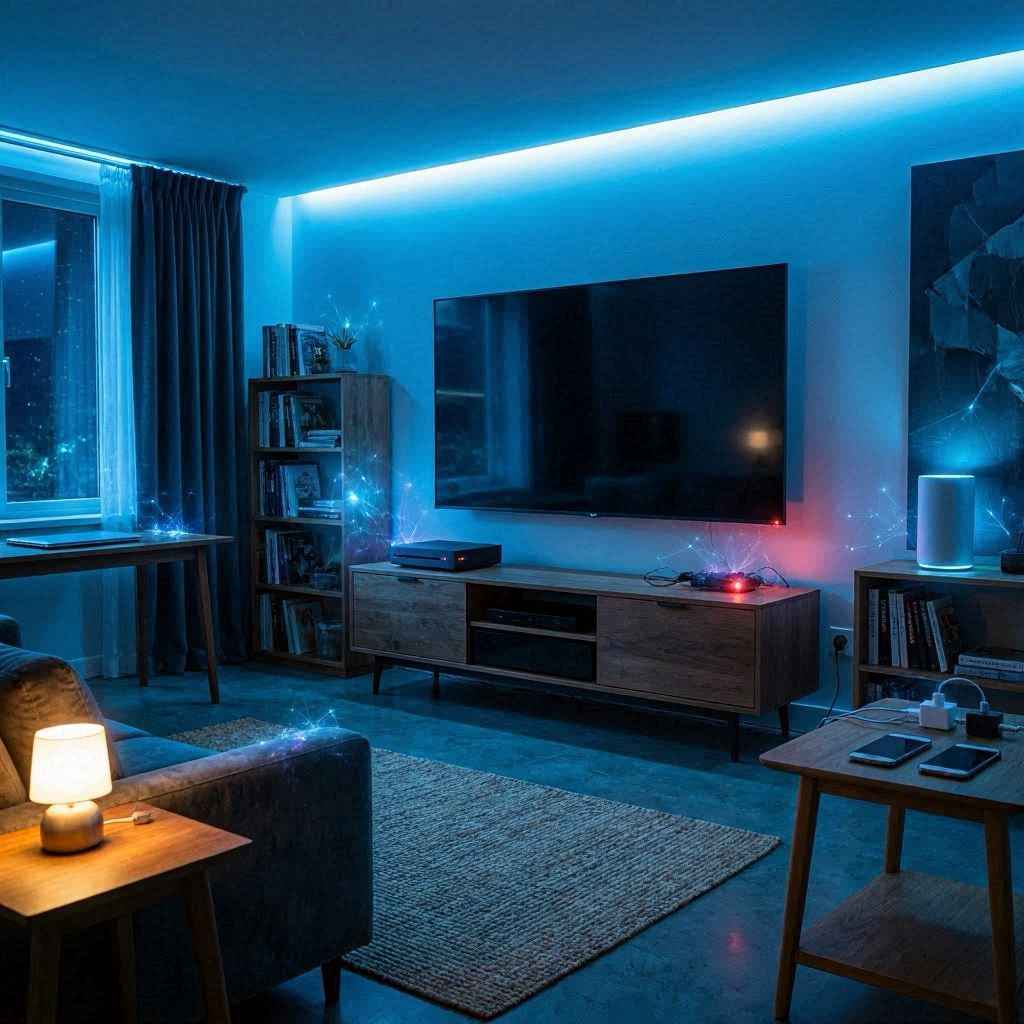
The good news is that lowering your energy bill doesn’t always require expensive renovations or complicated technology. In many cases, simple adjustments and smarter habits can make a meaningful difference while keeping your home just as comfortable as before.
The Hidden Cost of “Always-On” Devices
One of the biggest sources of unnecessary electricity use comes from devices people assume are turned off.
Televisions, gaming consoles, microwaves, coffee makers, internet routers, smart speakers, and even phone chargers often continue drawing power when not actively being used. This is commonly called “phantom energy” or “standby power.”
If you notice glowing clocks, indicator lights, or devices that instantly power back on, chances are they are still using electricity.
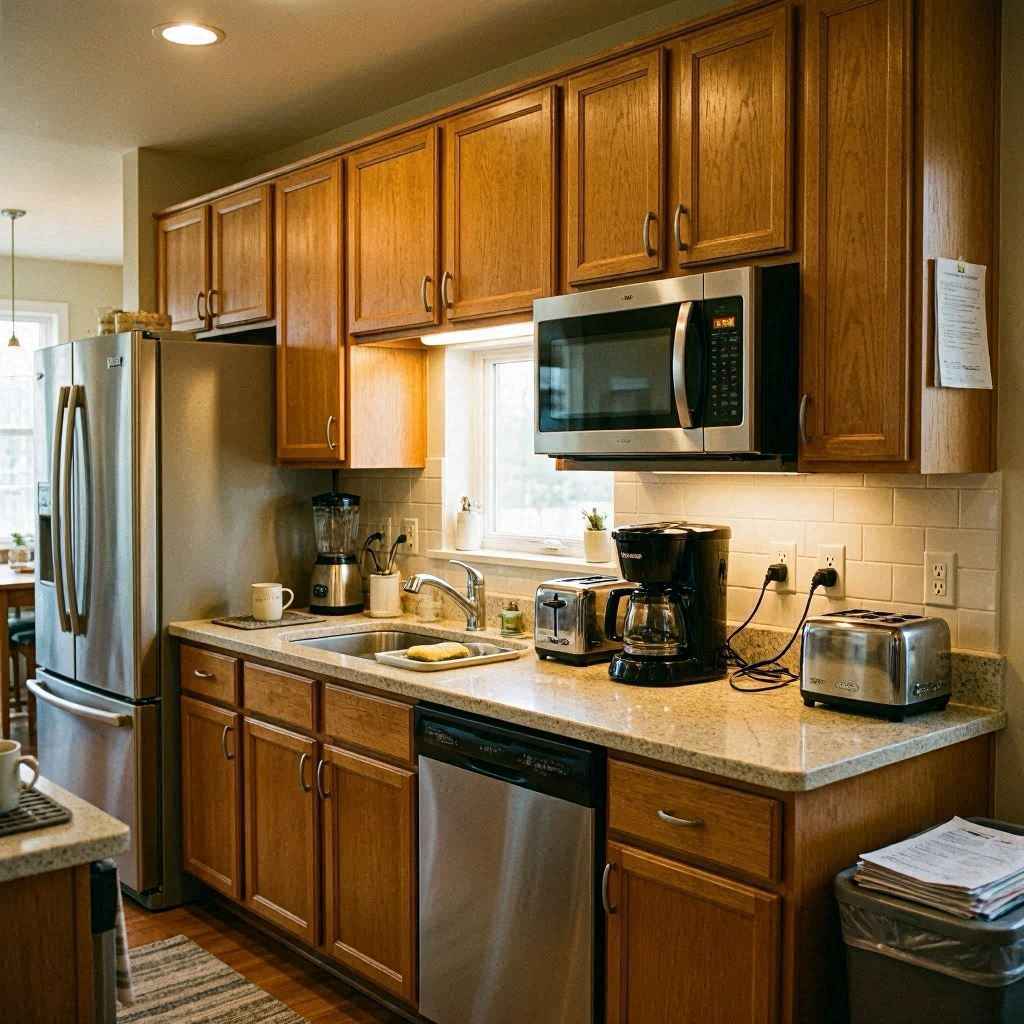
Individually, the cost may seem small. But when dozens of devices stay connected day and night, the energy use quietly grows month after month.
Common examples include:
- Phone chargers left plugged in
- TVs in standby mode
- Gaming systems running background updates
- Cable boxes and streaming devices
- Printers and desktop computers left on overnight
- Kitchen appliances with digital displays
Many households never think about these small drains because they operate silently in the background. Yet together, they can noticeably affect energy usage over an entire year.
Heating and Cooling: The Biggest Energy Users
While small devices contribute to waste, heating and cooling systems remain the largest energy consumers in most homes.
Air conditioners and heaters often work harder than necessary due to simple issues people overlook, including:
- Dirty air filters
- Leaky windows or doors
- Poor insulation
- Thermostats set too high or too low
- Blocked vents
- Old systems running inefficiently
Even adjusting your thermostat by a few degrees can lower energy consumption without dramatically changing comfort levels.
During warmer months, many people cool empty rooms unnecessarily or leave systems running while away from home. In colder seasons, heat escapes through small gaps around windows and doors, forcing heating systems to work continuously to maintain temperature.
These hidden inefficiencies slowly increase costs while remaining almost invisible during daily life.
Why Small Habits Matter More Than People Think
Many homeowners believe saving electricity requires major sacrifice. In reality, small daily choices often create the biggest long-term impact.
Simple habits can reduce waste without making life uncomfortable.
For example:
- Turning off lights when leaving a room
- Unplugging devices not in use
- Using natural daylight during the day
- Running full loads in dishwashers and washing machines
- Washing clothes in cooler water
- Air-drying clothes occasionally instead of using the dryer
- Avoiding unnecessary appliance use during peak heat hours
None of these changes feel dramatic individually. But over weeks and months, they can noticeably reduce household energy use.
The key is consistency rather than perfection.
The Surprising Difference LED Lighting Can Make
Lighting is another area where small upgrades create long-term savings.
Traditional incandescent bulbs waste much of their energy as heat, while LED bulbs use significantly less electricity and last much longer.
Although LEDs may cost slightly more upfront, many households recover that cost through lower electricity bills and fewer replacements over time.
Benefits of LED lighting include:
- Lower energy consumption
- Longer lifespan
- Less heat production
- Reduced maintenance
- Better efficiency overall
For homes with many lights used daily, the savings can become noticeable surprisingly quickly.
Appliances May Be Using More Energy Than You Realize
Older appliances are often less energy-efficient than newer models, especially refrigerators, washing machines, dryers, and air conditioners.
Even if they still function properly, aging appliances may consume far more electricity than necessary.
However, replacement is not always required immediately. Better usage habits can still improve efficiency.
Helpful strategies include:
Refrigerator Tips
- Keep doors closed as much as possible
- Avoid overfilling
- Clean coils regularly
- Check door seals for leaks
Laundry Tips
- Wash full loads
- Use cold or warm water when possible
- Clean dryer lint filters regularly
Dishwasher Tips
- Run only full loads
- Allow dishes to air dry when possible
These small adjustments reduce unnecessary energy use while extending appliance life.
Smart Power Strips and Modern Solutions
Technology itself can also help reduce waste.

Smart power strips automatically cut electricity to devices that are not actively being used, preventing standby energy loss.
This is especially useful for:
- Entertainment centers
- Computer setups
- Gaming systems
- Home offices
Instead of unplugging devices individually every day, smart strips simplify the process and reduce wasted electricity automatically.
Programmable thermostats and smart home systems can also help regulate heating and cooling more efficiently by adjusting temperatures based on schedules and occupancy.
Water Heating Is Often Overlooked
Many people focus on lights and electronics while forgetting one major source of energy use: hot water.
Water heaters work constantly to maintain temperature, especially in larger households.
Simple ways to reduce hot water energy use include:
- Taking shorter showers
- Lowering water heater temperature slightly
- Washing clothes in cooler water
- Fixing leaks promptly
- Using efficient showerheads
Even small reductions in hot water use can help lower both water and electricity costs over time.
Maintenance Saves More Money Than People Expect
Routine home maintenance plays a bigger role in energy efficiency than many homeowners realize.
Neglected systems often consume extra power simply because they are forced to work harder.
Important maintenance tasks include:
- Replacing HVAC filters regularly
- Cleaning vents and ducts
- Checking insulation
- Sealing cracks and leaks
- Maintaining appliances properly
These simple actions improve efficiency while helping systems last longer and operate more safely.
Energy Efficiency Is About Awareness, Not Perfection
Many families feel overwhelmed when trying to lower bills because they assume they must completely change their lifestyle.
In reality, energy efficiency is usually about awareness rather than drastic sacrifice.
The goal is not to stop using electricity. It is to stop wasting it.
Once people begin noticing where energy quietly disappears, smarter decisions become easier naturally.
A home does not need to be filled with expensive technology to become more efficient. Often, the biggest improvements come from small changes repeated consistently over time.
Small Changes Can Lead to Big Savings
Modern life depends heavily on electricity, and most homes contain more connected devices than ever before. Because of this, energy waste can quietly build up without attracting attention until utility bills suddenly feel overwhelming.
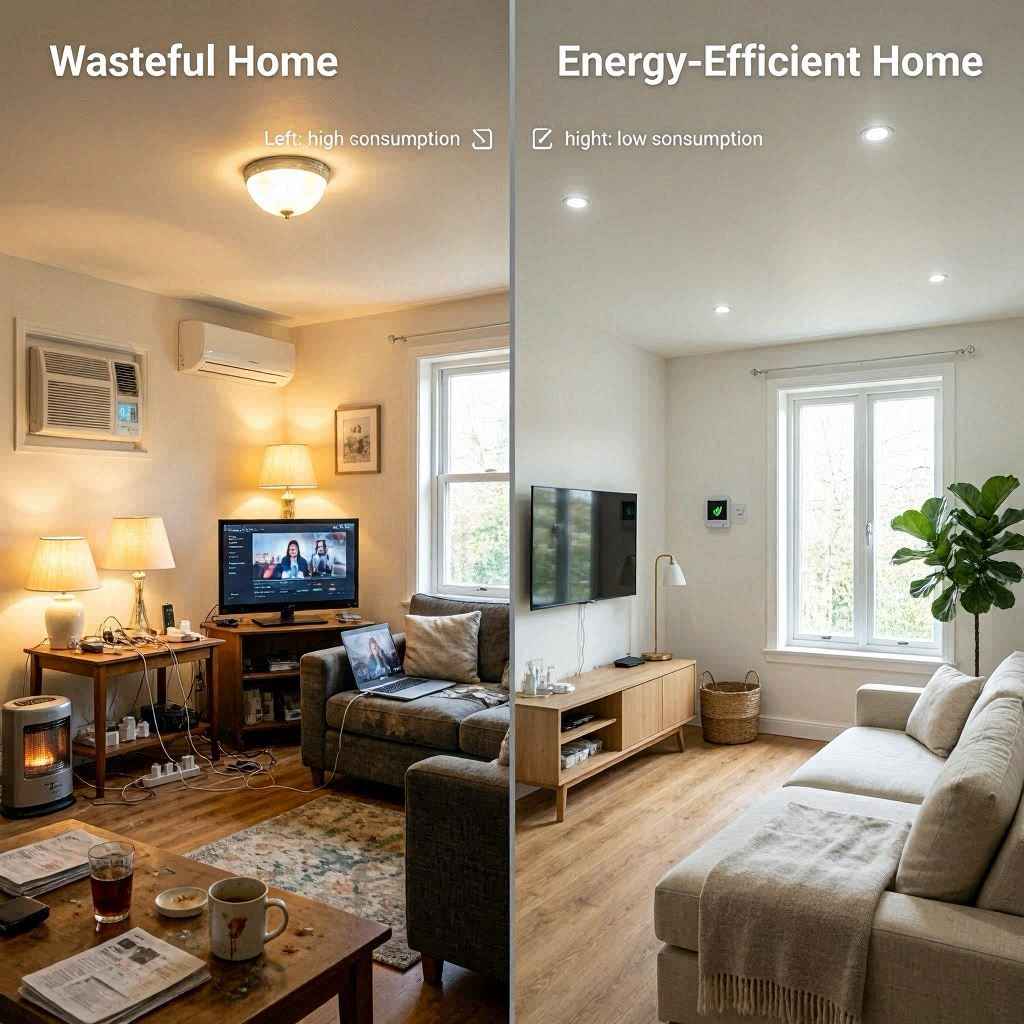
But the solution is often simpler than people expect.
Turning off unused devices, improving heating and cooling efficiency, maintaining appliances, and making thoughtful daily choices can all reduce costs without reducing comfort.
The most important step is simply paying attention.
Once you understand where your energy is going, you regain control over your home, your habits, and your monthly expenses.
And sometimes, the smallest adjustments end up making the biggest difference of all.
0 Comments