

The Meaning Behind Coins Left on Military Gravestones: A Powerful Tradition of Respect and Remembrance
Have you ever walked through a cemetery and noticed coins lying on gravestones? They might seem like small, simple objects, but these coins carry deep meaning. This touching tradition is about more than just leaving money behind—it’s a way to honor and remember the soldiers who served their country.
People often leave coins on the graves of military members as a way to show respect and appreciation for their service. It’s a tradition that has grown over the years, with each type of coin having its own special meaning. The coins act as messages, showing that someone has visited the grave and remembers the person buried there.
If you’ve ever been curious about why people leave coins on gravestones or what those coins mean, this article will explain everything. It’s a beautiful way to keep memories alive and show that these soldiers are not forgotten.
Why Coins Are Left on Gravestones
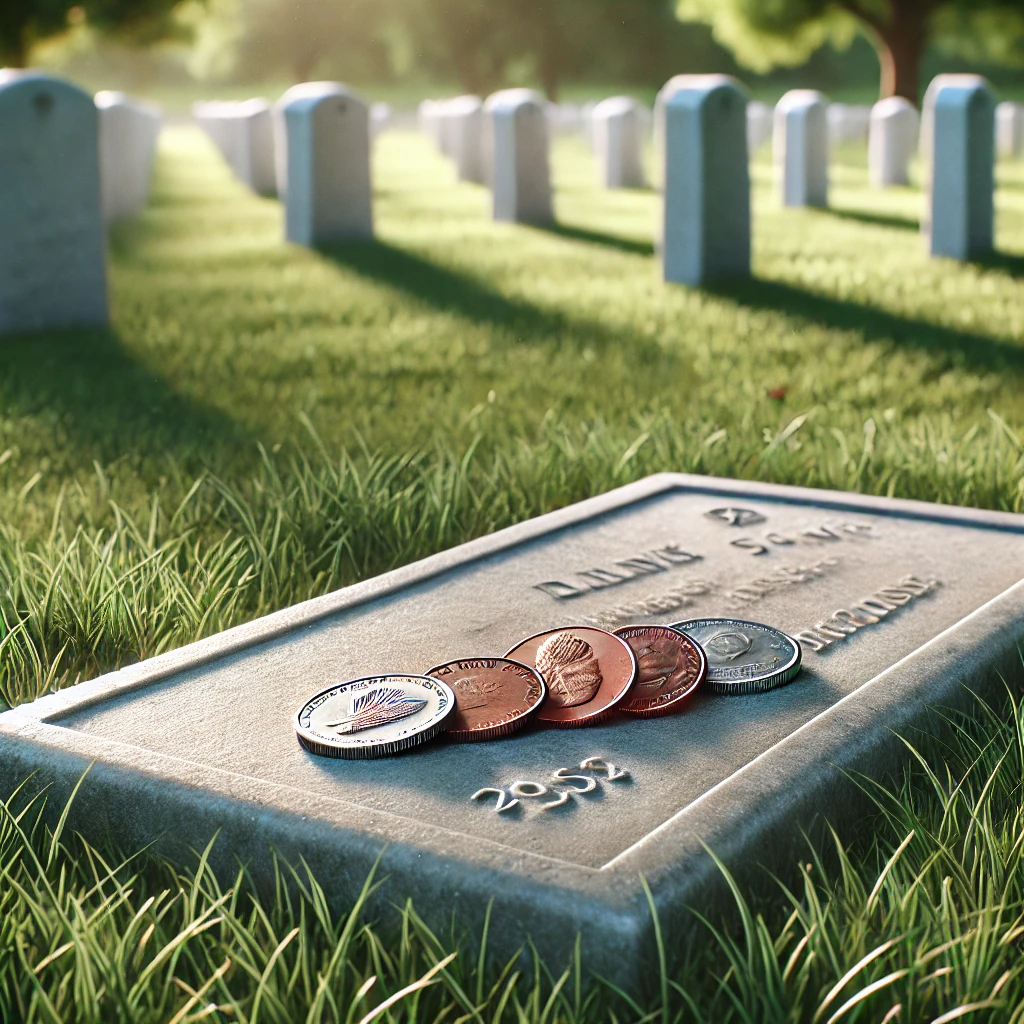
The tradition of leaving coins on gravestones is particularly common at the graves of military veterans. It’s a way for visitors to pay their respects and let the family of the deceased know that someone came to honor their loved one.
Unlike flowers or flags, coins are small but meaningful tokens. They are often left quietly and respectfully, without ceremony. When a family member or friend sees a coin on a loved one’s grave, it tells them that others remember and appreciate their sacrifice.
Every coin left behind carries a message. Depending on the type of coin, the message can be a simple acknowledgment of a visit or something much deeper. Let’s break down what each coin means.
The Meaning of Each Coin
- Penny
A penny is the most common coin you’ll see on a gravestone. When someone leaves a penny, it simply means that they visited the grave. It’s a way of saying, “I was here. I remember you.” It’s a small but powerful gesture, showing that the deceased is not forgotten. - Nickel
Leaving a nickel holds a special meaning. It signifies that the person who left it went through boot camp or basic training with the deceased. They likely shared some of the most challenging and transformative moments of their lives together, forming a bond that lasts even after death. - Dime
A dime left on a gravestone shows a deeper connection. It means the person who left it served alongside the deceased in the military. Whether they were in the same unit or served in the same battle, it represents a strong connection of shared experiences, hardships, and sacrifices. - Quarter
A quarter is the most significant coin you can leave. When you see a quarter on a gravestone, it means the person who left it was there when the soldier died. This coin carries a lot of weight because it acknowledges that the visitor witnessed the final moments of the deceased’s life. It’s a way of saying, “I was with you until the end.”
Why This Tradition Matters
Leaving coins on gravestones is more than just a gesture—it’s a way to keep memories alive. For the families of soldiers, seeing coins on their loved one’s grave can be incredibly comforting. It shows them that their loved one’s sacrifice is still remembered and appreciated by others.
This tradition also serves as a silent form of communication. It’s a way for veterans and military members to show respect for their fellow soldiers. It’s also a way for strangers who appreciate their service to pay their respects.
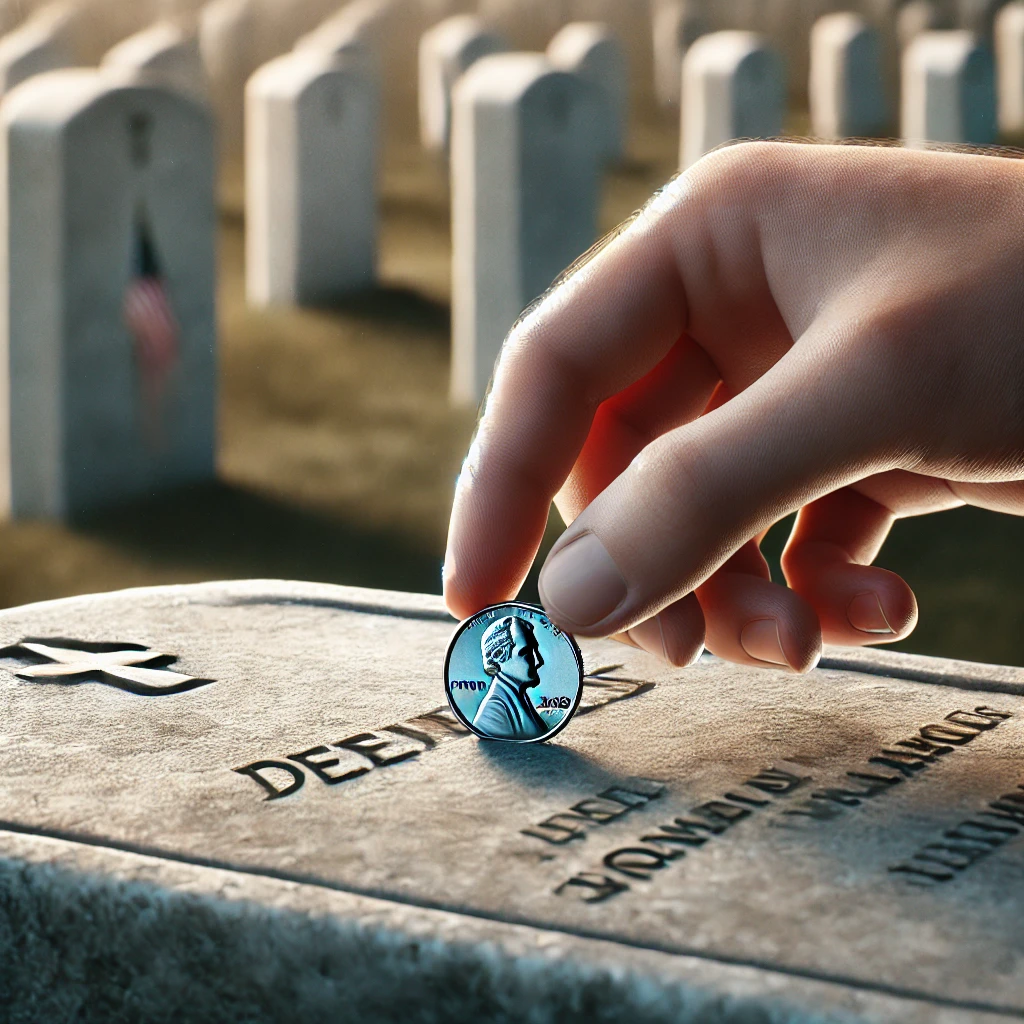
It’s worth noting that not everyone knows about this tradition. Many people might walk past these coins without understanding their significance. But for those who do know, each coin left behind tells a story.
A Symbol of Camaraderie and Respect
Military service is more than just a job—it’s a commitment to protect and serve. The bonds formed during training, in battle, or even through shared experiences of service are powerful and lasting. This tradition of leaving coins reflects that strong connection.
It also serves as a reminder that even after a soldier is gone, their impact remains. The people who leave these coins often feel a sense of duty to keep that memory alive. It’s a way of saying, “We haven’t forgotten you.”
How This Tradition Helps Families
For many families, visiting a loved one’s grave is a way to find peace and healing. Seeing coins on the gravestone can be a sign that others care, too. It shows that their loved one’s life had an impact beyond their family.
Knowing that others remember and honor their loved one can bring a sense of comfort during difficult times. It helps them realize that their sacrifice was not in vain and that their loved one’s memory lives on.
Keeping the Tradition Alive
As time goes on, fewer people may know about the meaning behind leaving coins on gravestones. But it’s a tradition worth keeping alive. Whether you are a fellow soldier, a family member, or a stranger who wants to show respect, leaving a coin is a meaningful gesture.
The next time you walk through a cemetery and see coins on a gravestone, take a moment to appreciate what they represent. They aren’t just pieces of metal—they are tokens of remembrance, respect, and honor.
This tradition reminds us that the bravery and dedication of military members are not forgotten. Even after they are gone, their legacy continues through the simple but powerful act of leaving coins.
Final Thoughts
The tradition of leaving coins on gravestones is a beautiful and respectful way to honor those who served. It’s a reminder that even the smallest gestures can carry deep meaning.
If you ever feel the desire to leave a coin on a military grave, remember what each coin means. Whether it’s a penny, nickel, dime, or quarter, your act of kindness will not go unnoticed.
Respect and remembrance are universal languages. Through this tradition, we can continue to honor those who dedicated their lives to protecting others.
If you found this article helpful or touching, please share it with others. It’s important to keep these traditions alive and help more people understand their significance.
0 Comments