

I Opened the Fridge After Thanksgiving and Couldn’t Believe What Had Happened
The morning after Thanksgiving is usually filled with leftovers.
At least, that’s what I expected.
After spending days planning the menu, shopping carefully, and hours cooking everything from scratch, I was already looking forward to the meals that would carry us through the rest of the week. There was turkey, stuffing, vegetables, homemade pies, and enough food to keep our family fed for several days.
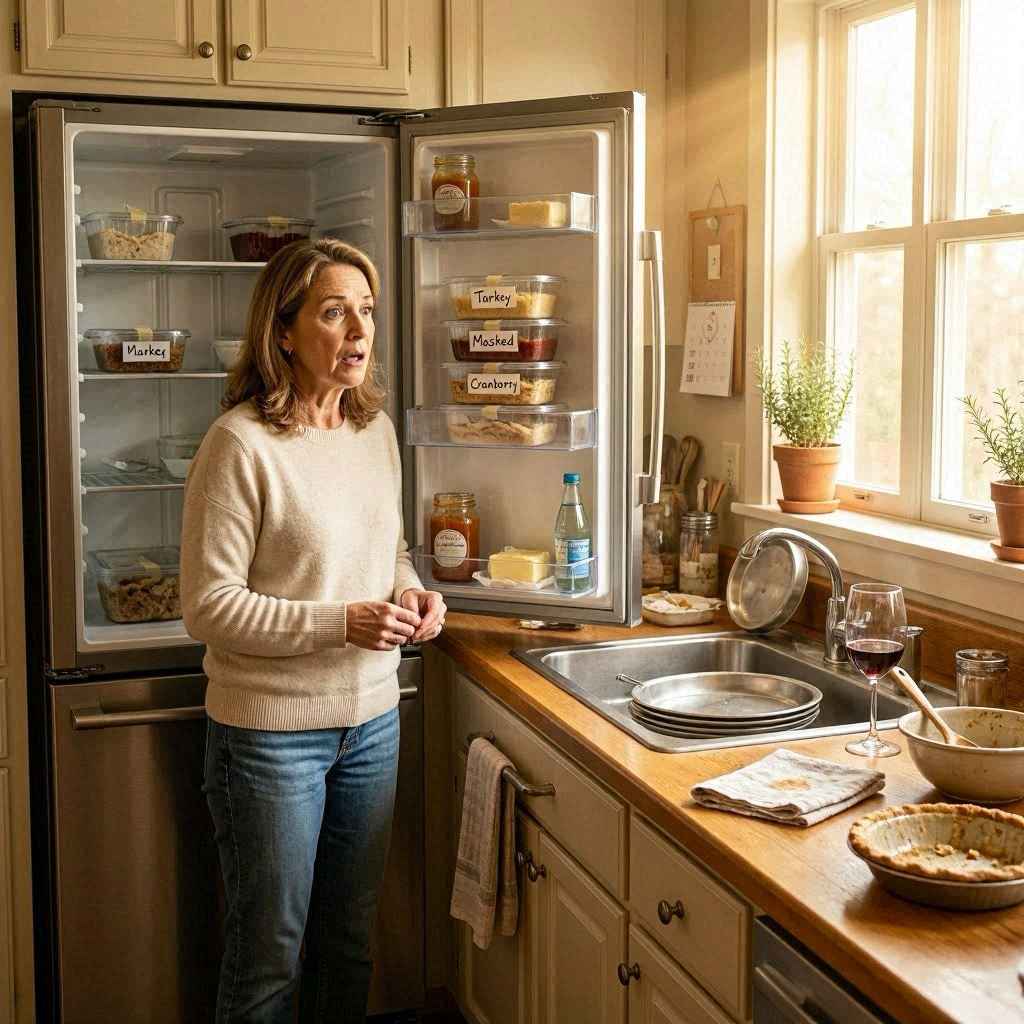
So when I opened the refrigerator the next morning, I stopped in my tracks.
Everything was gone.
The shelves that had been packed the night before were nearly empty.
For a few confused seconds, I wondered if I was still half asleep.
Then I looked closer.
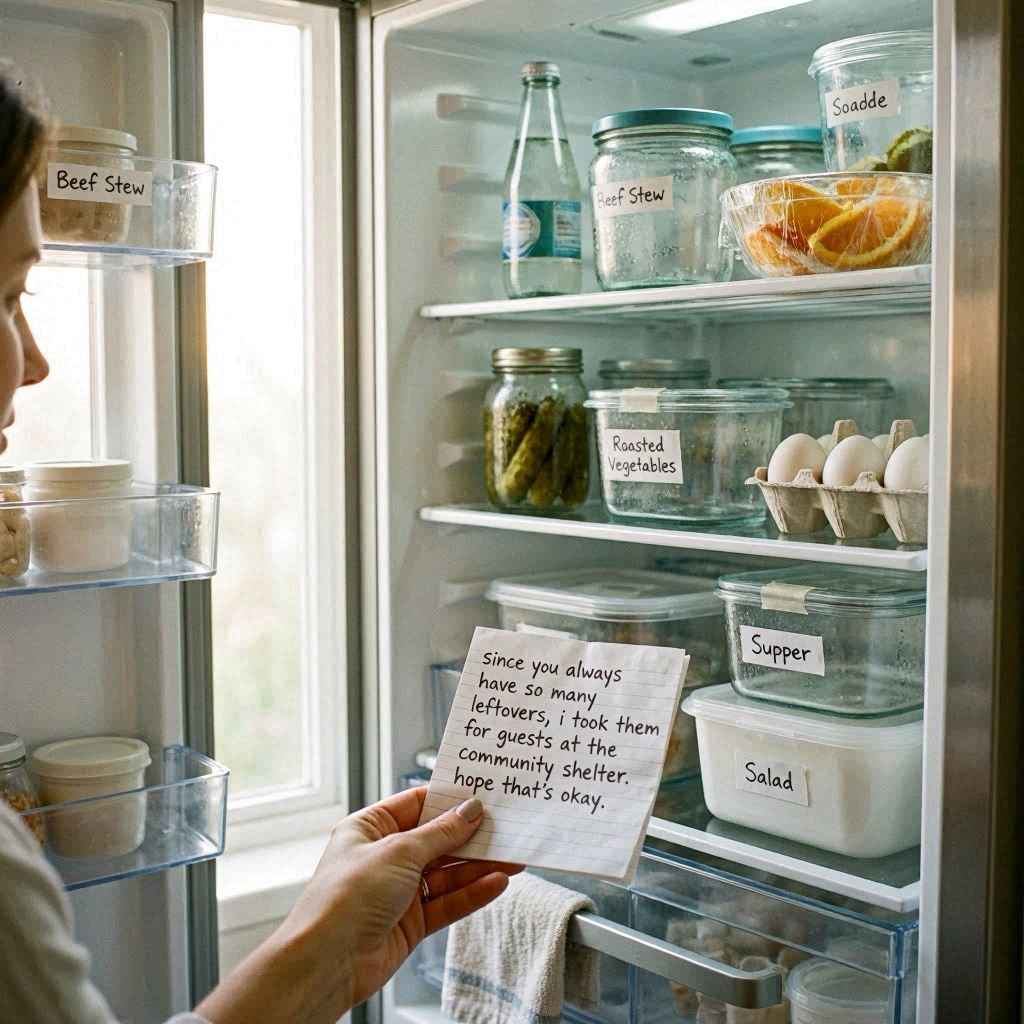
Instead of serving trays and leftover containers, the refrigerator was neatly organized with dozens of small food packages. Every container had a handwritten label on it.
My handwriting.
I stared at them, trying to understand what I was seeing.
Had I somehow packed everything away differently during the cleanup? Had I forgotten doing it?
Then I noticed a folded note tucked behind one of the containers.
It was from my mother-in-law.
The message was short:
“Since you always have so many leftovers, I took them for guests at the community shelter. Hope that’s okay.”
I read it twice.
Then a third time.
My first reaction wasn’t gratitude.
It was shock.
Those leftovers weren’t simply extra food sitting around. We had intentionally planned for them. Like many families, we carefully budgeted our holiday meal knowing that the leftovers would help with meals throughout the following week.
Suddenly, all of that food was gone.
I wasn’t angry exactly, but I felt frustrated.
Mostly because no one had asked.
As I stood there holding the note, I found myself caught between two emotions.
On one hand, I couldn’t ignore the practical reality. We had spent money, time, and effort preparing those meals.
On the other hand, I knew my mother-in-law well enough to understand that her intentions weren’t selfish or malicious.
She genuinely believed she was helping people who needed it.
When my husband came into the kitchen, he immediately noticed my expression.
“What’s wrong?” he asked.
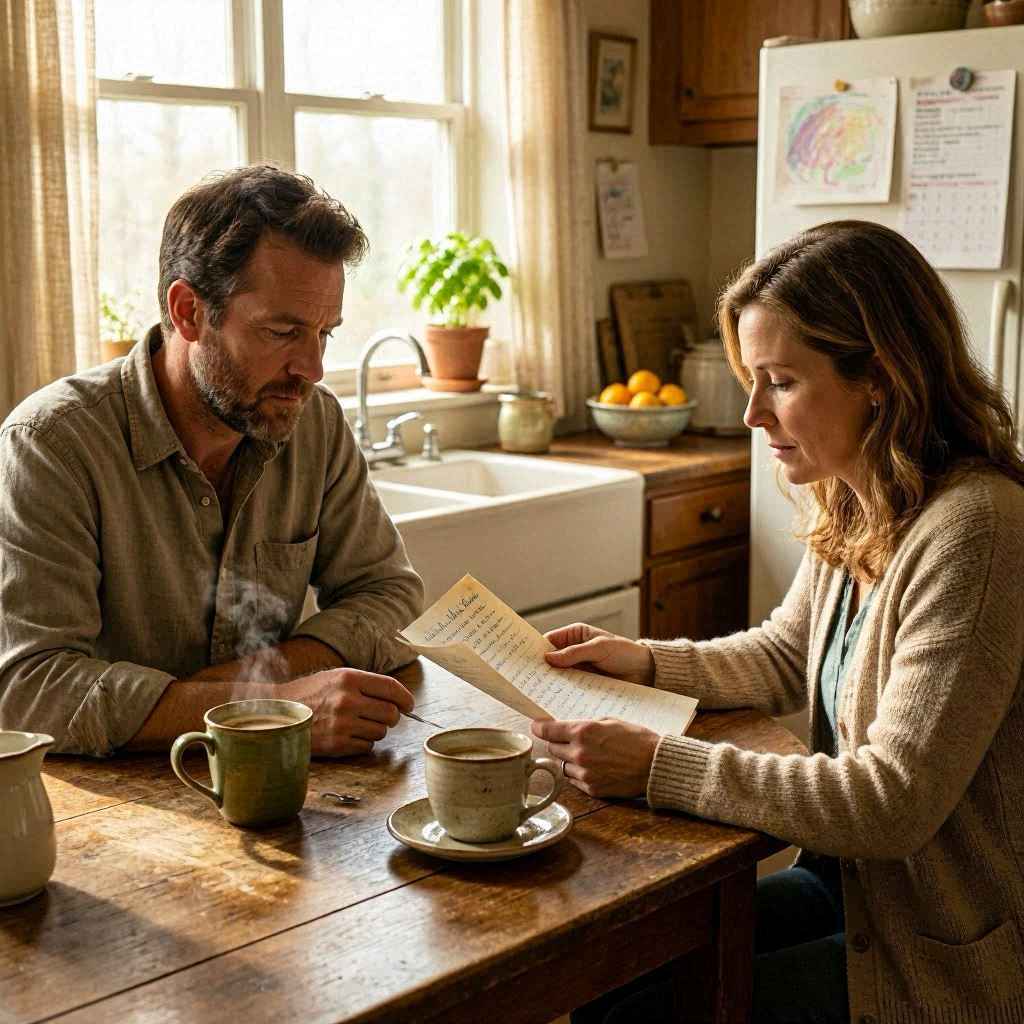
Without saying a word, I handed him the note.
He read it slowly and sighed.
Then we sat down together and talked.
Not about the food itself.
About communication.
About boundaries.
About how even good intentions can create problems when assumptions replace conversations.
The more we talked, the more we realized that nobody involved had meant any harm.
The misunderstanding came from everyone operating with different expectations.
To my mother-in-law, the food represented an opportunity to help others.
To us, it represented planned meals and a carefully managed budget.
Neither perspective was wrong.
They were simply different.
Later that afternoon, my phone rang.
It was my mother-in-law.
Before I could say much, she apologized.
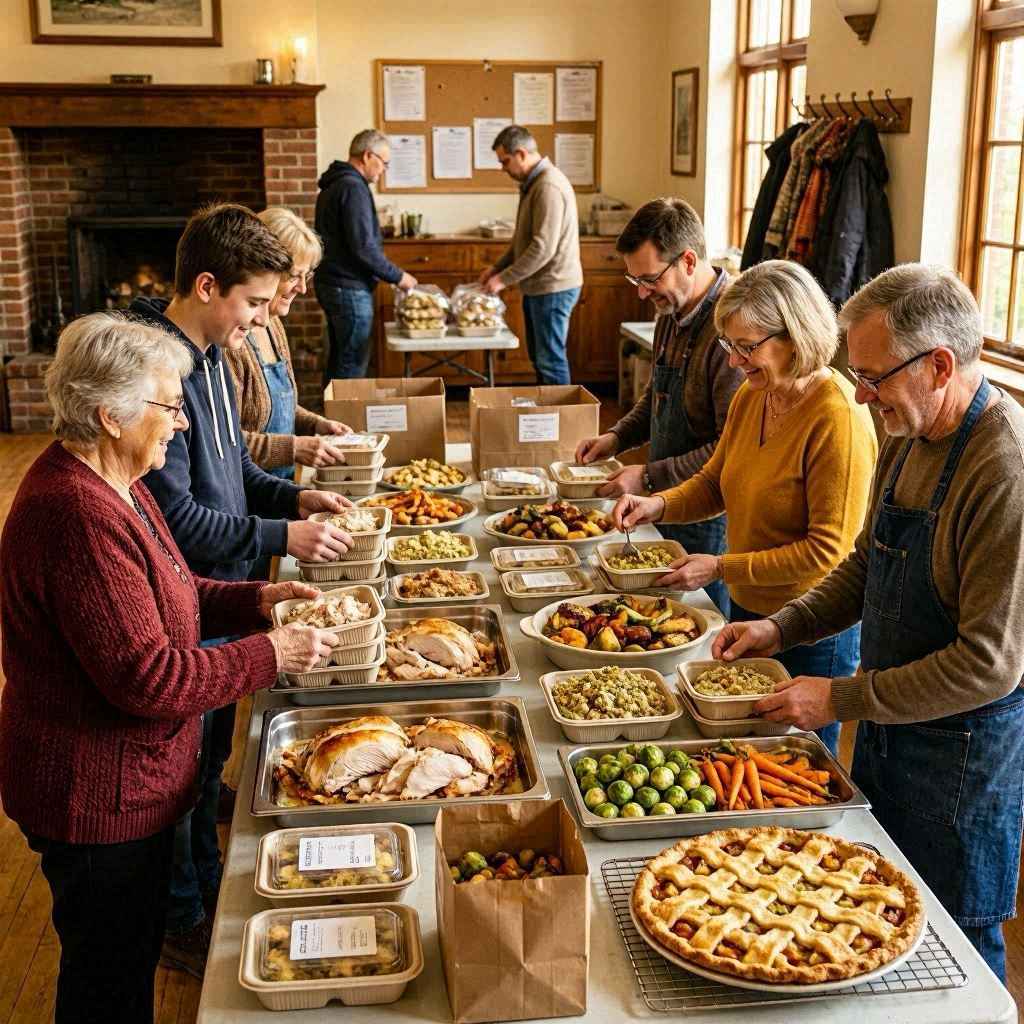
She explained that the local shelter had been struggling to provide enough food the previous evening. When she saw how much Thanksgiving food remained, she believed she had found a way to help.
She also admitted that she should have asked first.
“I didn’t want to interrupt everyone while you were cleaning up,” she said. “But looking back, I realize I should have called.”
There was genuine regret in her voice.
And hearing that changed everything.
Suddenly, this wasn’t a story about disappearing leftovers.
It was a story about people trying to do the right thing and accidentally stepping on each other’s toes along the way.
As we continued talking, an unexpected idea emerged.
What if we planned for this next year?
Instead of treating the donation as a surprise, we could intentionally prepare extra food specifically for the shelter.
That way, families in need could benefit, while our household could still keep the leftovers we depended on.
The more we discussed it, the more excited everyone became.
What had started as an uncomfortable misunderstanding slowly transformed into a new family tradition.
A tradition built on generosity, communication, and mutual respect.
By that evening, the frustration I had felt that morning had largely disappeared.
In its place was something far more valuable.
Perspective.
The experience reminded me that kindness works best when it’s paired with communication. Good intentions matter, but so does respecting the plans and needs of others.
Most misunderstandings don’t begin with bad motives.
They begin when people assume instead of asking.
Looking back now, I don’t remember the missing leftovers as much as I remember the conversation that followed.
Because sometimes the most meaningful holiday lessons don’t happen around the dinner table.
They happen the next day, when people choose understanding over resentment and turn an awkward moment into something better.
That Thanksgiving taught our family more than gratitude.
It taught us how compassion and communication can work together—and how even a surprise in the refrigerator can become the beginning of a beautiful new tradition.
0 Comments