

The Nighttime Habit That May Reveal More About Your Life Than You Realize
Living alone can feel peaceful, empowering, and deeply comforting. You choose the routine. You control the quiet. You decide when the lights go on, what music fills the room, and how your evenings unfold.
But sometimes, the smallest habits reveal more about your life than you ever intended.
And one of the most overlooked habits happens within seconds of walking through the front door.
Most people do it automatically.
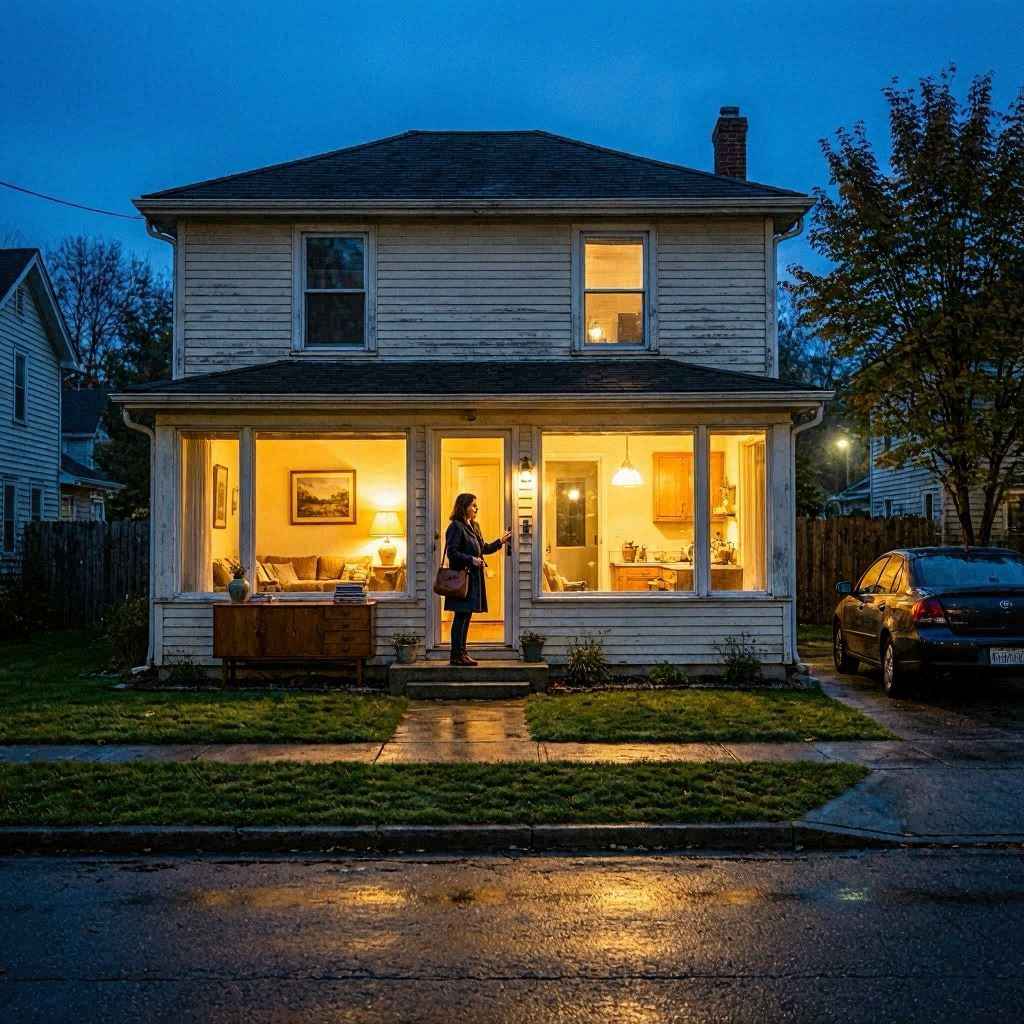
They come home after dark, step inside, and flip on every light they can reach.
The kitchen brightens.
The hallway glows.
The bedroom lamp flickers on.
The television lights up the living room.
From inside the house, it feels warm and safe.
From outside, however, it can look very different.
Why Experts Say Lighting Habits Matter
Security professionals have increasingly pointed out that brightly lighting an entire home at night can unintentionally expose personal routines to anyone watching from outside.
Without realizing it, many people create a visible pattern every evening:
- Which room they enter first
- Whether they live alone
- What time they usually arrive home
- How long they stay awake
- Which areas of the house they use most often
Most strangers will never pay attention.
But safety concerns rarely begin with dramatic events.
They often begin quietly—with observation.
A person walking by repeatedly.
A parked car lingering nearby.
Someone noticing the same predictable patterns night after night.
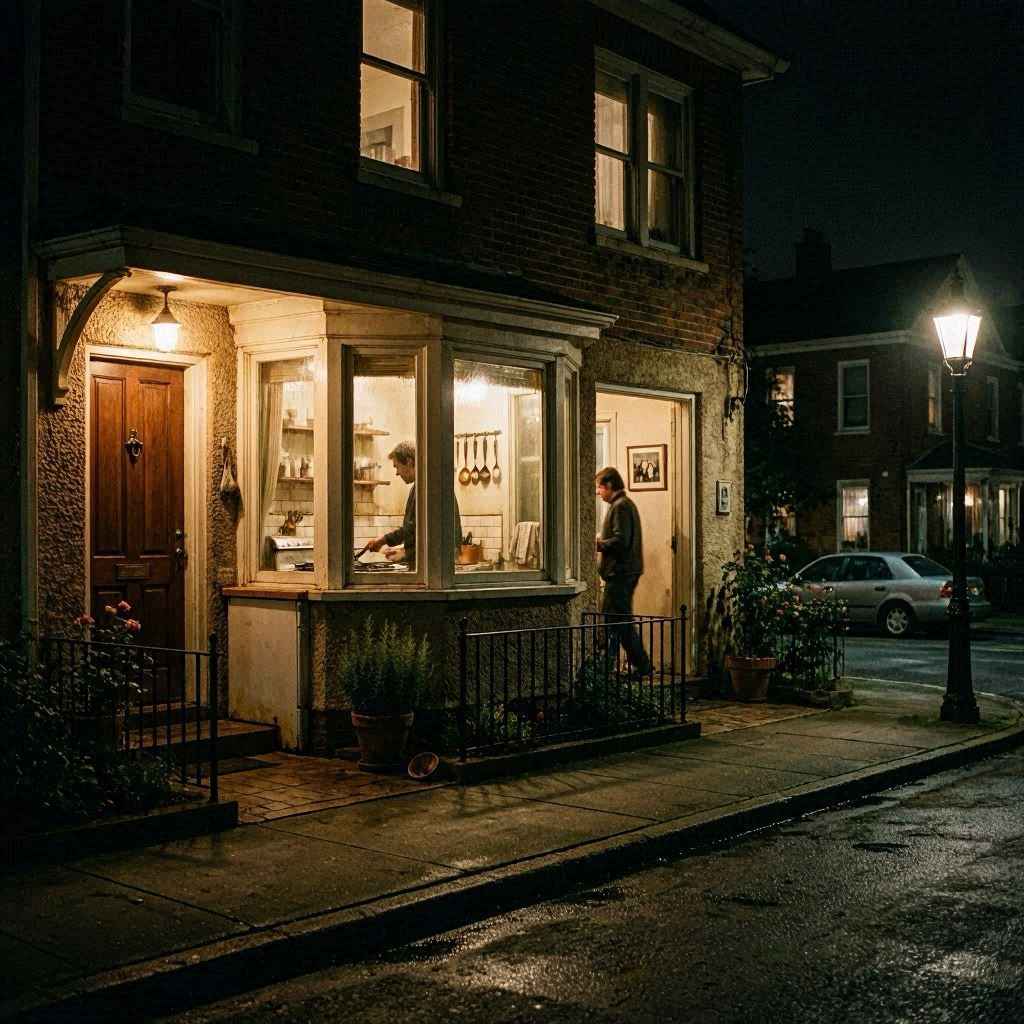
What feels harmless from inside your home may provide far more information than expected to someone outside.
The Problem With Bright Windows at Night
Once darkness falls outdoors, uncovered windows behave differently than many people realize.
During the day, you can easily see outside while maintaining privacy inside.
At night, the effect reverses.
Bright indoor lighting can turn windows into clear viewing screens.
From outside, silhouettes become visible.
Movement becomes noticeable.
Even simple routines—cooking dinner, walking upstairs, pacing while on the phone—can become surprisingly easy to observe.
Most people never think about this until something unsettling happens first.
A knock at the door from someone who somehow knows you live alone.
A stranger commenting on your routine.
Footsteps outside that linger a little too long.
And while these moments may never escalate into anything serious, they often leave people realizing just how exposed everyday habits can become.
Small Changes Can Improve Privacy Immediately
The good news is that improving nighttime privacy usually does not require expensive systems or major lifestyle changes.
Often, the most effective adjustments are the simplest.
1. Lock the Door First
Many people enter the house carrying groceries, checking messages, or setting down bags before locking the door.
Security experts recommend reversing that order.
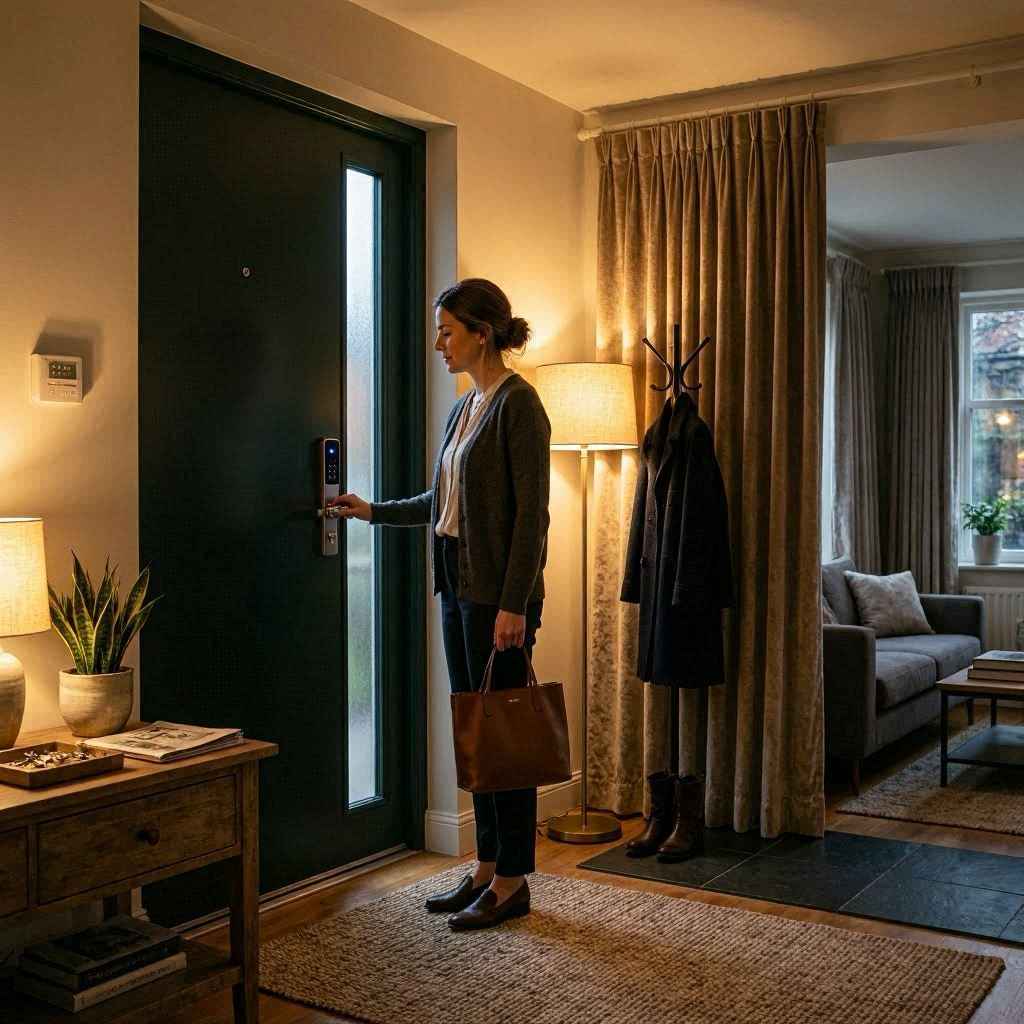
The moment you step inside:
- Close the door
- Lock it immediately
- Then continue with the rest of your routine
It sounds small, but immediate locking removes unnecessary vulnerability during distracted moments.
2. Pause Before Flooding the House With Light
There is a natural urge to eliminate darkness quickly after coming home.
But taking just a few seconds before turning on multiple lights can help you settle into your surroundings more calmly.
Listen briefly.
Notice anything unusual.
Then light only the areas you actually need.
Instead of illuminating the entire home at once, consider using:
- One warm lamp near the entrance
- A hallway light
- Soft ambient lighting
- Dimmed bulbs in commonly used spaces
This approach creates comfort without fully exposing your movement patterns.
3. Close Curtains Before It Gets Dark
One of the easiest privacy habits is also one of the most forgotten.
Close blinds or curtains before sunset whenever possible.
Waiting until after the lights are on often means your home has already become visible from outside.
Curtains create an immediate visual barrier and reduce how much of your routine can be seen from the street.
Many people are surprised by how much calmer and more secure a room feels once nighttime privacy becomes intentional.
4. Use Smart Lighting Strategically
Smart lighting systems have become increasingly popular for a reason.
Rather than entering a completely dark house and switching on every light manually, many people now use:
- Timed lamps
- Motion-triggered lighting
- Remote-controlled bulbs
- Automated evening lighting schedules
This creates the appearance of an occupied home while avoiding the sudden “spotlight effect” that exposes every movement inside.
Even a single scheduled lamp near a front window can make a home feel lived-in without revealing too much.
5. Avoid Becoming Too Predictable
Predictability itself is not dangerous.
But highly visible routines can make personal habits easier to track.
Simple variations help reduce that visibility:
- Parking in different spots occasionally
- Using different lights on different evenings
- Varying arrival times when possible
- Avoiding routines that are identical every night
These are not fear-based behaviors.
They are simply awareness-based habits.
Trust Your Instincts More Than You Think
One of the most common themes among personal safety experts is surprisingly simple:
Pay attention to discomfort.
People often dismiss uneasy feelings because they fear sounding paranoid or dramatic.
But intuition exists for a reason.
If something feels off, it deserves attention.
Maybe it is:
- A car idling nearby repeatedly
- Someone appearing too often near your building
- Footsteps outside late at night
- A stranger who seems overly aware of your schedule
Most situations are harmless.
But awareness allows you to respond early rather than ignore patterns completely.
Living Alone Should Still Feel Peaceful
None of this means people should live in fear.
That is not the goal.
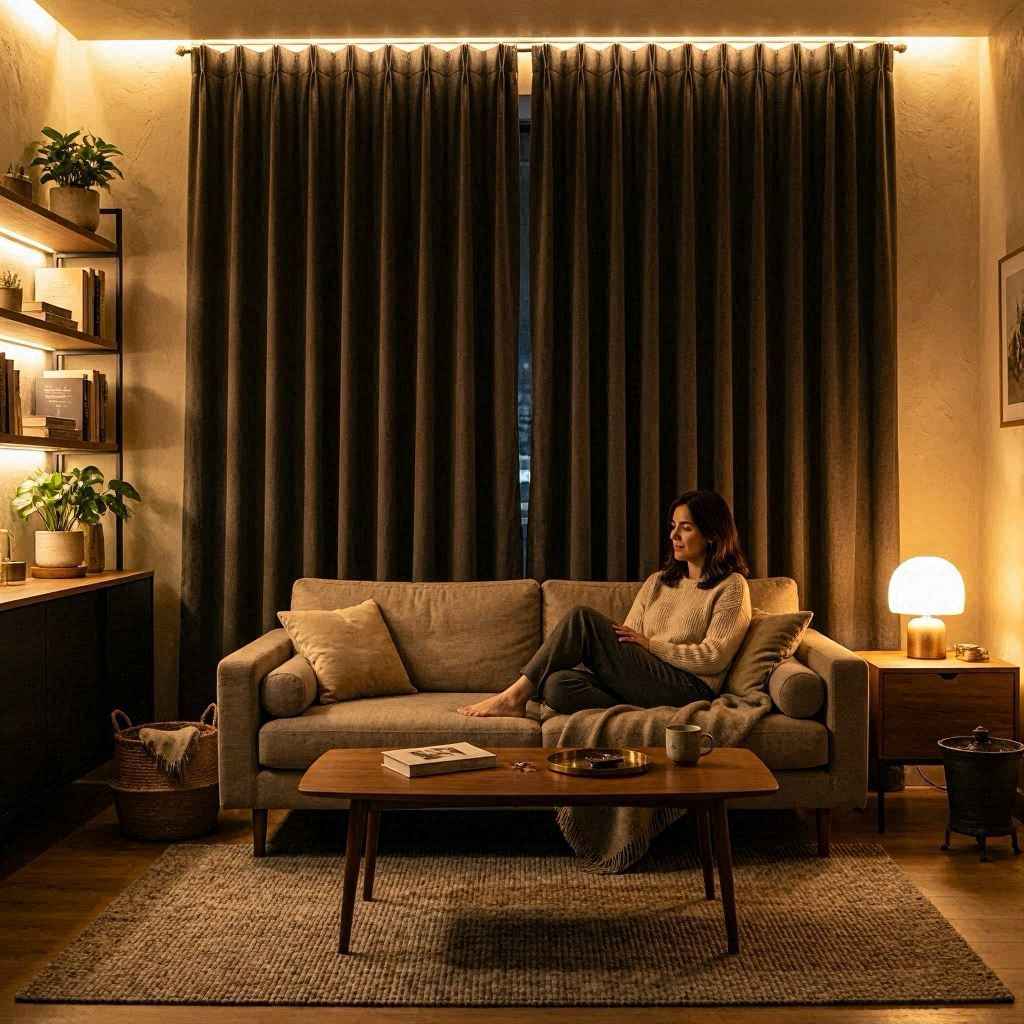
A home should still feel comforting, relaxing, and fully yours.
The purpose of these habits is not paranoia—it is privacy.
There is a difference.
Real safety is often quiet.
It lives in small decisions:
- locking the door immediately,
- closing curtains before nightfall,
- using softer lighting,
- and recognizing that awareness is a form of self-respect.
Because protecting your peace does not require constant fear.
Sometimes, it simply requires noticing the things most people overlook.
0 Comments