

She Never Liked Me—But After the Baby, the Truth Came Out
When I first married Ben, I hoped things would settle into a peaceful rhythm. I had been there through everything—his tough times, his career struggles, and his dreams of starting a business. But one thing that never seemed to change was how his mother, Karen, treated me.
From the start, I felt like I wasn’t accepted. Karen never said anything directly rude, but her words were always cold and her attitude distant. I didn’t come from a wealthy or “professional” family background, and that seemed to matter to her.
I had suggested to Ben that we elope and skip the stress of a big wedding. He agreed. But when Karen found out we’d already tied the knot, she was furious. That moment told me all I needed to know about how she saw me.
Even though she didn’t say much, I knew she didn’t think I was good enough for her son.
But I kept hoping that things would improve after we had our baby. Our son came into the world with Ben’s features—the same dark hair, soft brown eyes, and even the same chin dimple. I thought maybe now, finally, Karen would see that I was part of the family.
For a moment, it seemed like I was right.
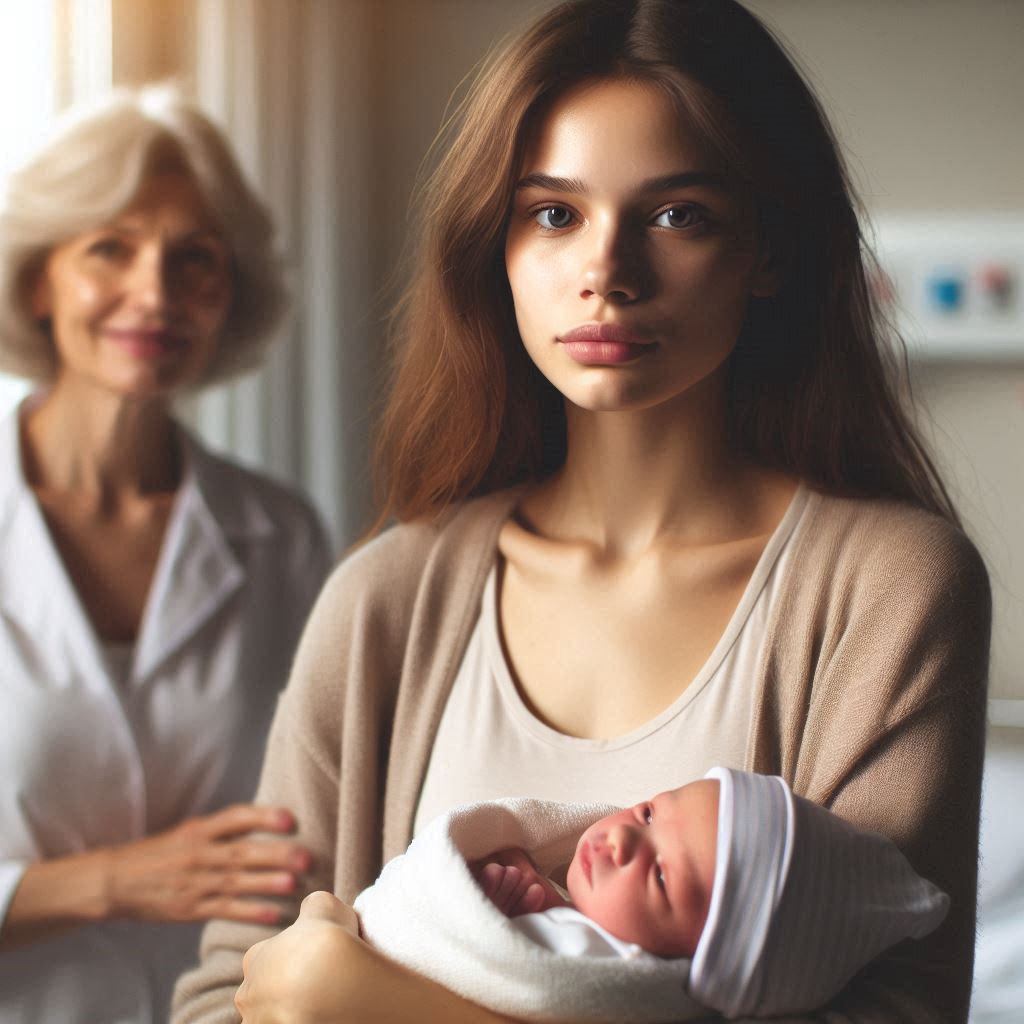
Karen came to visit after I gave birth. She smiled, held the baby, and said all the right things. But after that one visit, she disappeared. Weeks passed. No calls. No check-ins. No offers to help. It felt like she was avoiding me again.
I kept quiet, though it hurt.
Then one night, after we put our baby to bed, Ben came to sit with me on the couch. I could tell something was on his mind.
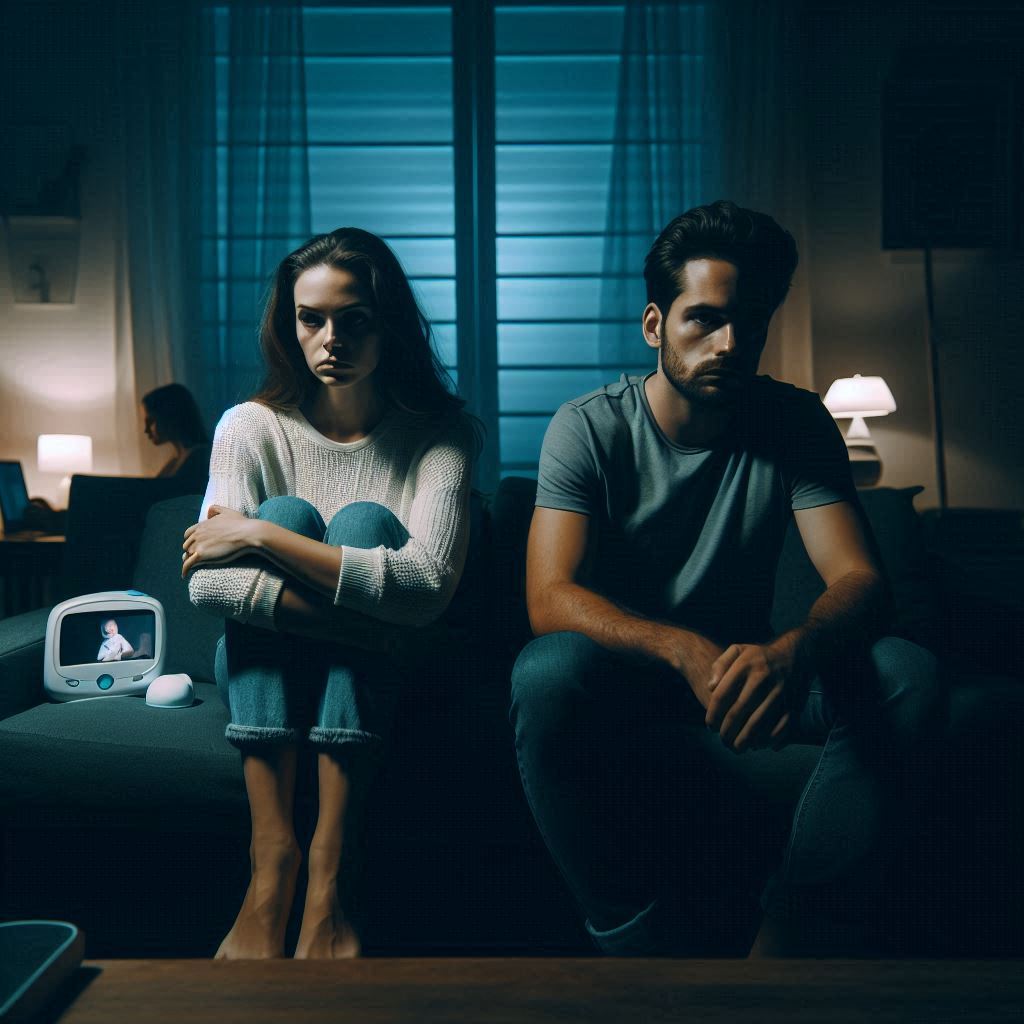
“My mom wants us to do a DNA test,” he said quietly. “Dad agrees.”
I waited for him to say it was a joke. That he’d told them no. But instead, he explained that they were worried—worried I had lied about the baby being his. They had read stories online and let their doubt grow.
I didn’t cry. I didn’t yell. But something in my heart sank. After all I’d done to support him, after how clearly our son resembled Ben—this still happened.
I looked at him and said, “Alright. We’ll do the test. But only if we do another one too.”
He looked confused. “Another one?”
“Yes,” I said. “Let’s test you and your dad as well.”
He blinked, surprised. But after a long pause, he nodded. “Okay,” he said. “Fair is fair.”
We did the test for our baby first. It was quick. The technician swabbed his cheek, and our little boy just giggled and tried to chew the glove.
Getting Ben’s dad’s sample was harder. We invited Karen and her husband for dinner a few days later. Ben handed his dad a toothbrush and asked him to try it, saying it was part of a new business idea.
His dad brushed without question.
Later, we collected the brush, sent the sample to the lab, and waited.
A few weeks passed. Then came our son’s first birthday. We celebrated with a simple party at home—blue and silver balloons, cake, and close family.

After the party games and photos, I stood up and brought out an envelope.
“I have something to share,” I said calmly, smiling.
Everyone turned to look.
“We got a DNA test for our son. Just to clear things up.”
Some people looked puzzled. Others looked shocked.
Karen, though, looked almost smug—like she expected something bad.
But when I opened the envelope and read the results aloud, I said, “Our son is 100% Ben’s.”
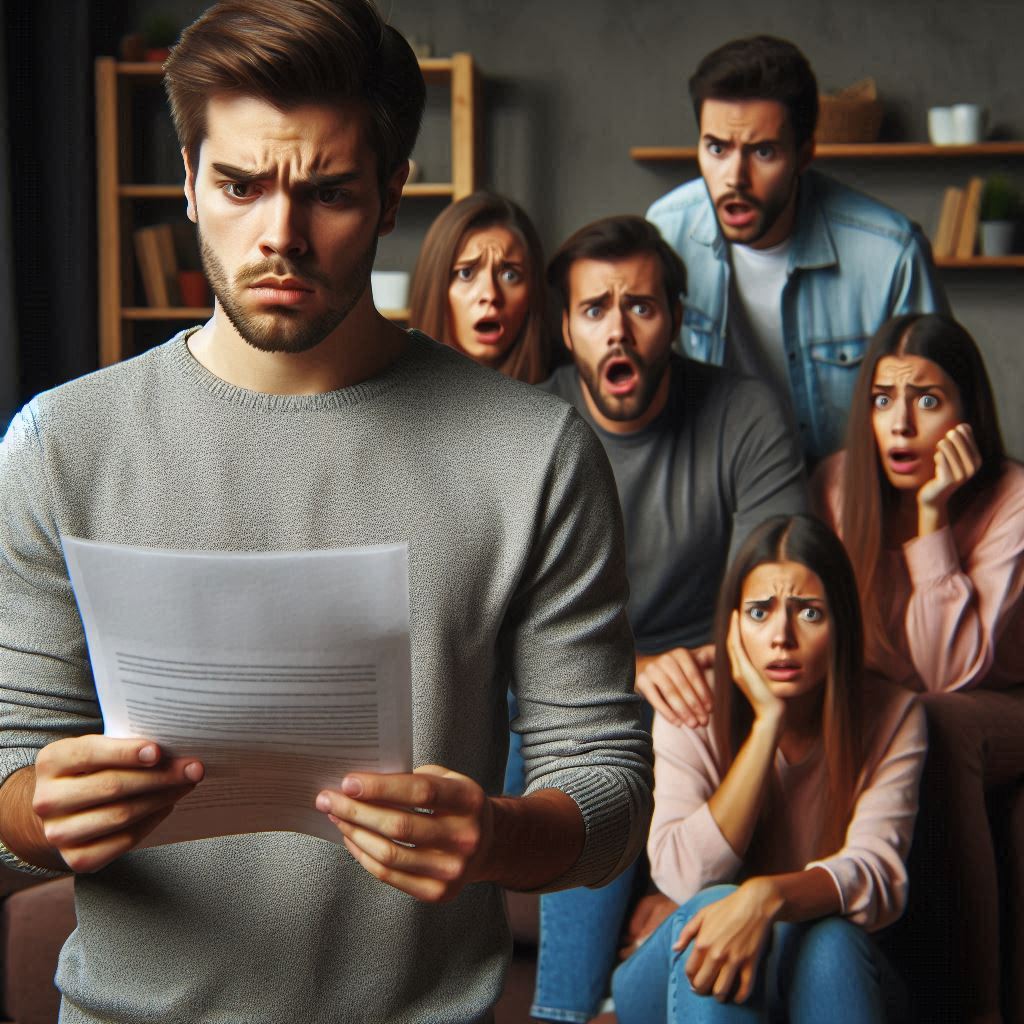
Her smile disappeared instantly.
But we weren’t done.
Ben then brought out another envelope and opened it.
“Since we were already doing tests,” he said, “we did one between me and Dad.”
Everyone went silent.
Ben read the results. His hands trembled a little.
“Dad… I’m not your son.”
The entire room gasped.
Karen jumped up, shocked. “You had no right—” she started to yell.
But Ben gently stood between her and me.
“You accused my wife without cause,” he said firmly. “Now we know who’s been hiding something.”
Karen sat down, speechless. Then the tears started. Ben’s dad stood up slowly, took his car keys, and left the house without saying a word.
After that night, Karen started calling repeatedly, leaving voicemails at all hours. I didn’t respond. I didn’t want to listen to apologies mixed with excuses.
But the hardest part wasn’t the silence—it was facing what the test had revealed about my marriage.
Ben had asked for the test, too.
He hadn’t stood up to his parents. He had doubted me, even when I had never given him a reason to.
We started couples therapy soon after. In those quiet sessions, I told him, “It’s not just about the test. It’s that you didn’t believe me when I needed you to.”
He listened. He apologized—truly and sincerely.
“I just didn’t want to believe they were wrong,” he said. “I was scared. But I was wrong.”
Little by little, things started to heal.
Ben began defending me. He stopped Karen’s relatives from making comments or asking us to reconnect. He chose to protect his wife and son over keeping peace with people who hurt us.
Eventually, I forgave him. Not because I forgot, but because he changed.
Karen, on the other hand, continued calling. But I couldn’t listen to her anymore. I deleted her messages without finishing them.
Ben’s father filed for divorce a few months later. He also stopped speaking to Karen. But he stayed close to us, visiting often and spending time with our son, which was a blessing.
As for the DNA papers, they’re still in a drawer. We haven’t looked at them again.

These days, life feels more peaceful. Our son is growing, giggling, and learning new things every day. And our family—just the three of us—is stronger than ever.
Note: This story is based on true events but has been fictionalized for storytelling purposes. All names and identifying details have been changed to respect privacy. Any similarities to real people or events are purely coincidental.
0 Comments