

The House That Felt Too Quiet — And the Truth I Almost Missed
Life After Loss
After my husband passed following a long illness, our home changed in ways I could never fully explain to anyone who had not lived through something similar. It felt too big and too quiet at the same time — like the walls themselves were holding memories that refused to fade.
Every room carried echoes of what life had been. Late-night worries whispered in dim light. Gentle conversations spoken when sleep would not come. The steady rhythm of caregiving that had once structured every hour of my day.
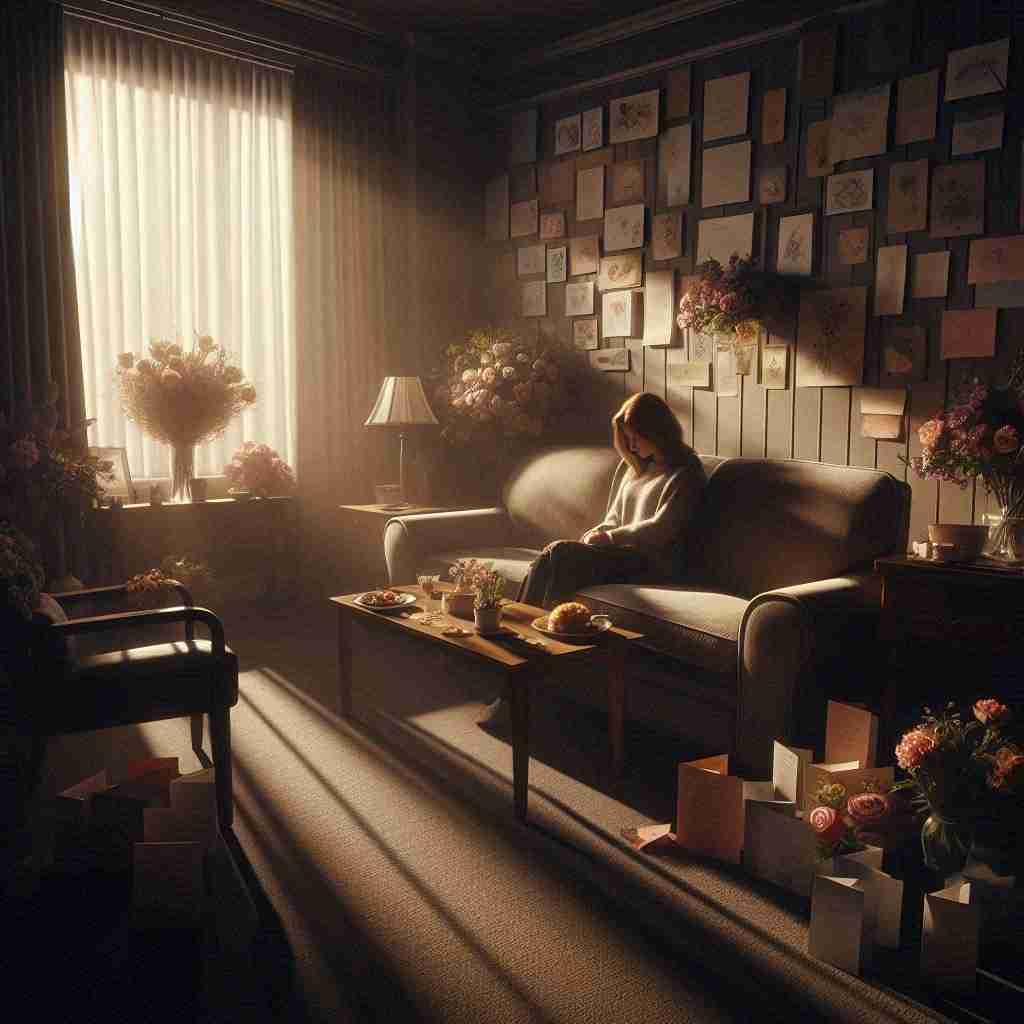
For months, my entire world had revolved around medication schedules, medical bills, and learning how to sleep on the edge of the bed so I would not disturb him. When the end finally came, people filled the house with sympathy cards, warm meals, and kind embraces.
They promised to check in. They said I was not alone.
Then slowly… they returned to their own lives.
I remained behind with the mortgage, the utility bills, and grief that felt heavier than any financial burden.
What Love Leaves Behind
The will was simple. The house went to me. There was little else.
Years of medical care had drained our savings, but I never resented that. I would have given anything for one more comfortable day for him. One more moment without pain.
But love, no matter how deep, does not pay the electric bill.
When the shock of loss faded, reality settled into the corners of the house like dust — quiet, persistent, impossible to ignore.
My stepson was nineteen then. Tall, capable, and sometimes so much like his father that seeing him stand in a doorway made my chest ache. He had been with us through everything — hospital visits, sleepless nights, and the silent fear that lived in every unopened envelope on the kitchen table.
I believed we would figure life out together.
But as the weeks passed and my finances tightened, I realized something painful:
I could not carry everything alone.
The Conversation That Broke My Heart
One evening, I asked him to sit down.
My hands wrapped tightly around my coffee mug as if it could steady me.
“I need you to contribute,” I said carefully. “Five hundred dollars a month. Just to help with expenses.”
I expected a serious conversation. Maybe reluctance. Maybe frustration. But also understanding.
Instead, he laughed.
Not nervously. Not awkwardly.

Dismissively.
Then he leaned back and said something that struck deeper than any insult I had ever heard.
“You’re childless,” he said casually. “I’m your retirement plan. It’s your job to support me.”
Childless.
As if years of care meant nothing. As if driving him to school, listening to his fears, holding our home together through illness and exhaustion had never counted. As if staying beside his father through suffering had not made us family.
I had never tried to replace his mother.
I only tried to be someone steady. Someone safe. Someone who showed up.
His words shattered something fragile inside me.
I did not argue.
I did not cry.
I simply nodded… and went to bed.
A Decision Made in Fear
I stared at the ceiling until sunrise, listening to the house creak around me, feeling like a stranger in my own life.
By morning, one thought had taken hold:
I needed to protect what little I had left.
So while he was out, I changed the locks.

Even now, I know it was harsh. But grief does not always bring wisdom. Sometimes it brings desperation. I convinced myself I was choosing survival — protecting the only stable thing remaining in my life.
To silence the guilt creeping in, I began packing his belongings. Folding clothes. Boxing books. Avoiding anything that reminded me he was still just a young man learning to carry loss.
Then I looked under his bed.
And everything changed.
The Discovery That Stopped My Heart
My fingers touched a heavy duffel bag with my name on it.
Confused, I pulled it out and unzipped it.
Inside was a savings account passbook.
Page after page of deposits.

Small amounts — twenty dollars, fifty, thirty, sometimes a hundred — but steady. Consistent. Four years of saving. Summer jobs. Holiday money. Birthday gifts.
Every line told the same story.
He had been saving.
At the top of the first page, written carefully, were words that stole the air from my lungs:
Mom’s Retirement Fund
Mom.
My knees gave out. I collapsed onto the floor, clutching the passbook to my chest.
Underneath it was a letter clipped to an envelope marked:
For her birthday. Don’t chicken out this time.
My birthday was five days away.
The Letter That Changed Everything
The letter began with quiet tenderness:
“I know you sit at the kitchen table some nights going through bills, thinking no one sees…”
He had seen everything.
My fears. My silence. My loneliness.
He wrote about the sacrifices I made caring for his father. About the love I gave him without obligation. About how he wanted to make sure I would never grow old alone.
Then came the words that broke me completely:
“You will always have a home with me. Not because you have to — but because you’re my mom. The only one I’ve ever really had.”
Four years.
Four years he had quietly planned to protect me.
And I had changed the locks on him.
The Moment I Faced My Mistake
Regret is a sharp kind of pain.
He had spoken cruelly the night before — yes. But now I understood. He was grieving. Afraid. Trying to act strong in a world that had already taken too much.

And I, drowning in my own fear, had answered his hurt with rejection.
For the first time since my husband died, I felt I had truly failed someone still living.
Choosing Love Again
That evening, I unlocked the front door.
When he came home, he stood outside cautiously, unsure if he was welcome.
I walked toward him holding the duffel bag.
“I’m sorry,” I said.
No explanations. No defenses. Just truth.
His shoulders softened. His voice was quiet.
“I didn’t know how to talk about it.”
“I didn’t either,” I whispered.
What Healing Really Looks Like
We stood there in the house that once felt empty and broken.
And for the first time since the funeral… it felt like a home again.
Not because everything was suddenly fixed.
But because we finally saw each other clearly.
Sometimes healing after loss does not come from grand gestures.
Sometimes it begins with understanding the love that was there all along — quietly waiting to be seen.
Final Reflection
Grief can make us protective. Fear can make us react before we understand. Pain can make us misjudge the people who love us most.
But love — real love — is patient enough to survive misunderstanding.
And sometimes, the greatest gift is realizing that even in the quietest house… you were never truly alone.
0 Comments