

Why You Should Unplug Your Phone Chargers When Not in Use
In today’s busy world, many of us leave our phone chargers plugged in all the time. It seems convenient — after all, the charger is always ready when we need it. However, electricians are warning that this habit might not be as harmless as we think. Understanding the risks of keeping chargers plugged in can help keep your home safer and save you money in the long run.
How Chargers Work (Even When Not Charging)
Chargers convert electricity from your wall outlet (AC power) into a form your device can use (DC power). This is how they power your phone, tablet, or laptop.
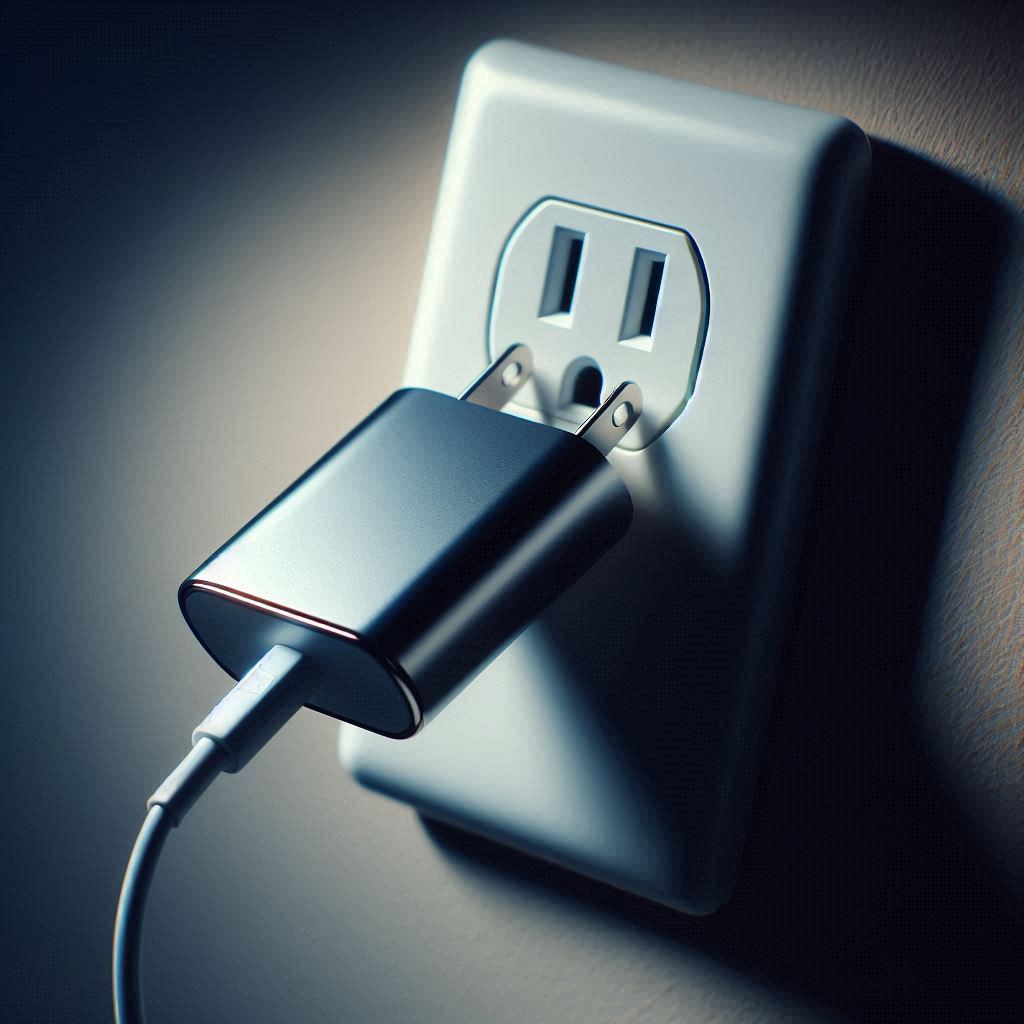
But here’s something most people don’t realize: even when your device isn’t connected, the charger still draws a small amount of electricity. This is called “vampire energy” or “standby power.”
Although this power usage seems tiny, it adds up over time. If millions of chargers are left plugged in every day, the total amount of wasted energy becomes huge. This not only increases your electricity bills but also puts extra strain on the power grid.
The Hidden Fire Hazard
One of the biggest dangers of leaving chargers plugged in is the risk of fire.
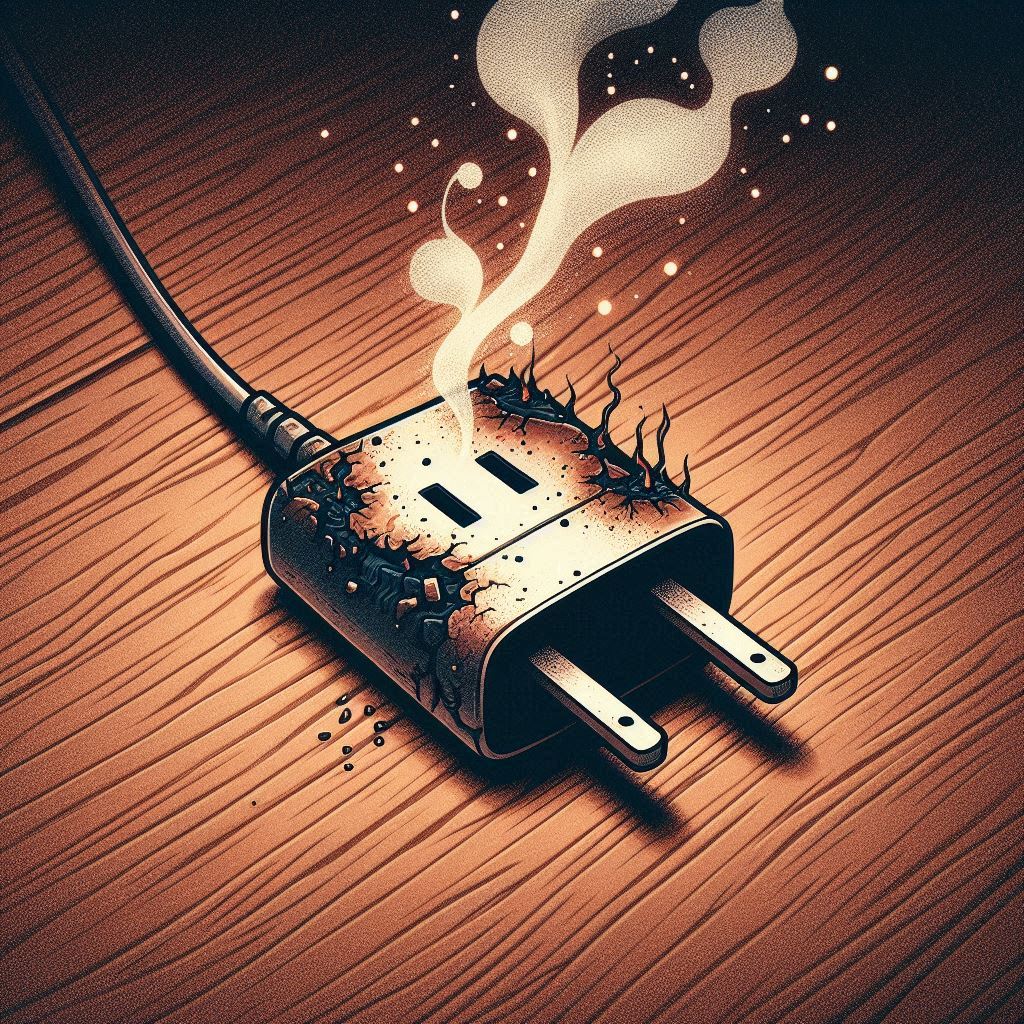
Chargers, especially low-quality or damaged ones, can overheat if they stay plugged in for long periods. Overheating can cause them to catch fire, which could be very dangerous for your home and family.
Unplugging chargers when not in use is a simple and smart way to lower this risk.
Wasting Energy and Harming the Environment
Idle chargers don’t just waste electricity — they also hurt the environment.
Every charger left plugged in adds up to a larger carbon footprint. Although each one uses only a little power, think about the millions of homes doing the same thing. This leads to more fossil fuels being burned to generate that energy, which increases pollution and contributes to climate change.
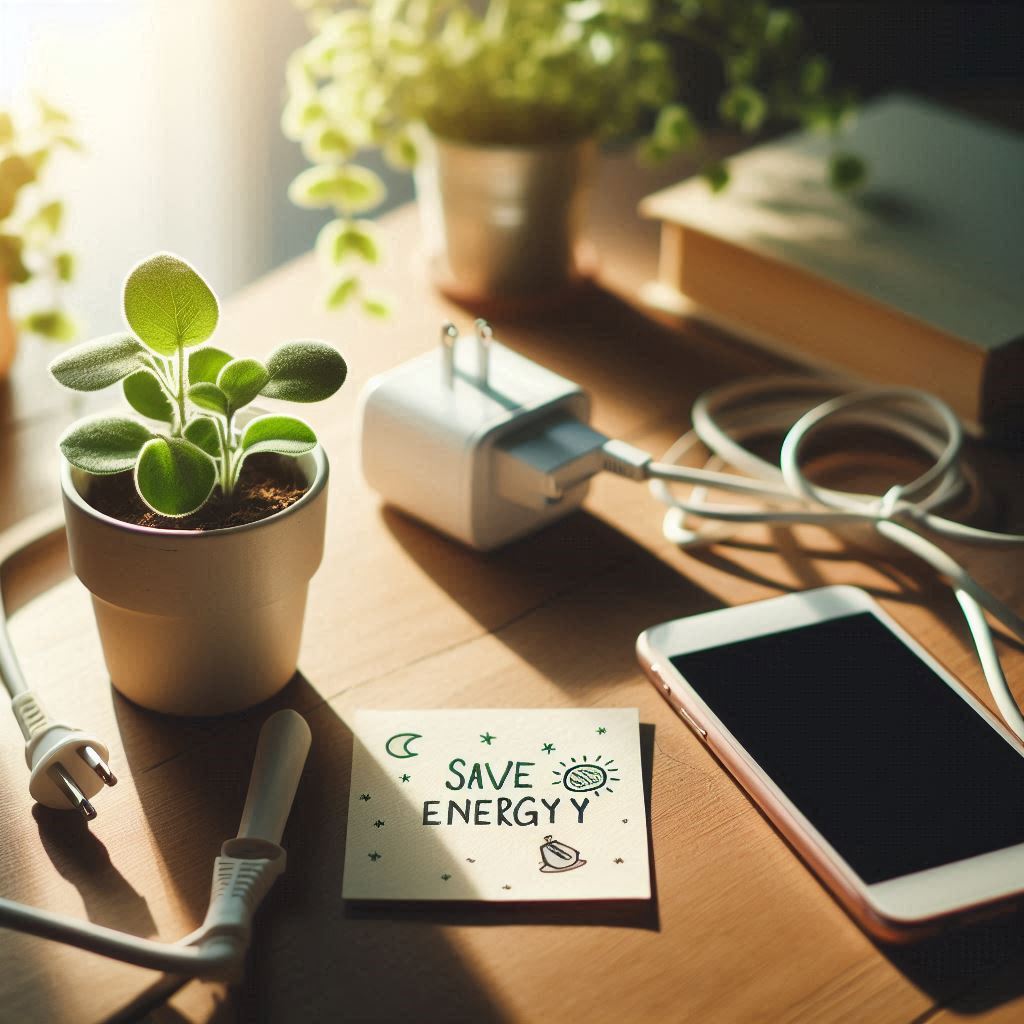
By unplugging chargers when they are not needed, you help reduce this unnecessary energy waste. This small action can make a big difference when practiced by many people.
Damage to Chargers and Outlets
Another issue with leaving chargers plugged in all the time is wear and tear.
The constant exposure to small electrical currents and occasional power surges can damage the charger over time. This reduces its lifespan and means you will have to replace it sooner than expected.
Outlets can also suffer. Plugs that remain in place for too long can loosen the outlet’s connections, creating a poor electrical contact. This can increase the risk of sparks or fires.
The Cost of Keeping Chargers Plugged In
You may think the cost of leaving a single charger plugged in is too small to worry about — and for one charger, it usually is.
However, when you have many devices at home — phones, tablets, laptops, and more — the wasted power can raise your electricity bill over time. Plus, needing to replace chargers and fixing worn-out outlets adds to household expenses.
All this can be avoided simply by unplugging chargers when they are not in use.
Smart Ways to Make Unplugging Easier
You don’t have to make your life difficult to save energy and improve safety. There are simple solutions that can help:
- Use power strips with switches — You can turn off all connected chargers at once.
- Smart plugs — Some can automatically shut off after a set time.
- Regular checks — Always look for signs of damage, like frayed cords or overheating. Replace chargers that show signs of wear.
By making these small adjustments, you can make unplugging easy and part of your daily routine.
A Small Habit That Brings Big Benefits
While leaving chargers plugged in might seem harmless, the risks and costs add up over time. From fire hazards and higher bills to environmental harm, the downsides are clear.
By unplugging chargers when they’re not being used, you take a small but meaningful step toward:
- Protecting your home from fire risks
- Lowering your energy bills
- Helping the environment by saving electricity
- Extending the life of your chargers and outlets
Building this habit may take a little effort at first, but the benefits are well worth it. Simple steps like this can lead to safer homes, reduced costs, and a healthier planet for everyone.
0 Comments