

Why Airport Workers Say You Should Never Tie Ribbons on Your Luggage
After a long flight, almost every traveler has the same experience: standing beside the baggage carousel, staring at dozens of nearly identical black suitcases slowly circling under bright airport lights. It’s frustrating, tiring, and sometimes stressful—especially after hours of travel. That’s why many people try simple tricks to make their bags easier to recognize.
One of the most common travel habits is tying a colorful ribbon, scarf, or bright tag onto a suitcase handle. At first glance, it seems like a smart idea. A red ribbon or patterned bow can help your luggage stand out immediately among a crowd of similar bags. Many travelers swear by it and consider it one of the easiest airport hacks.
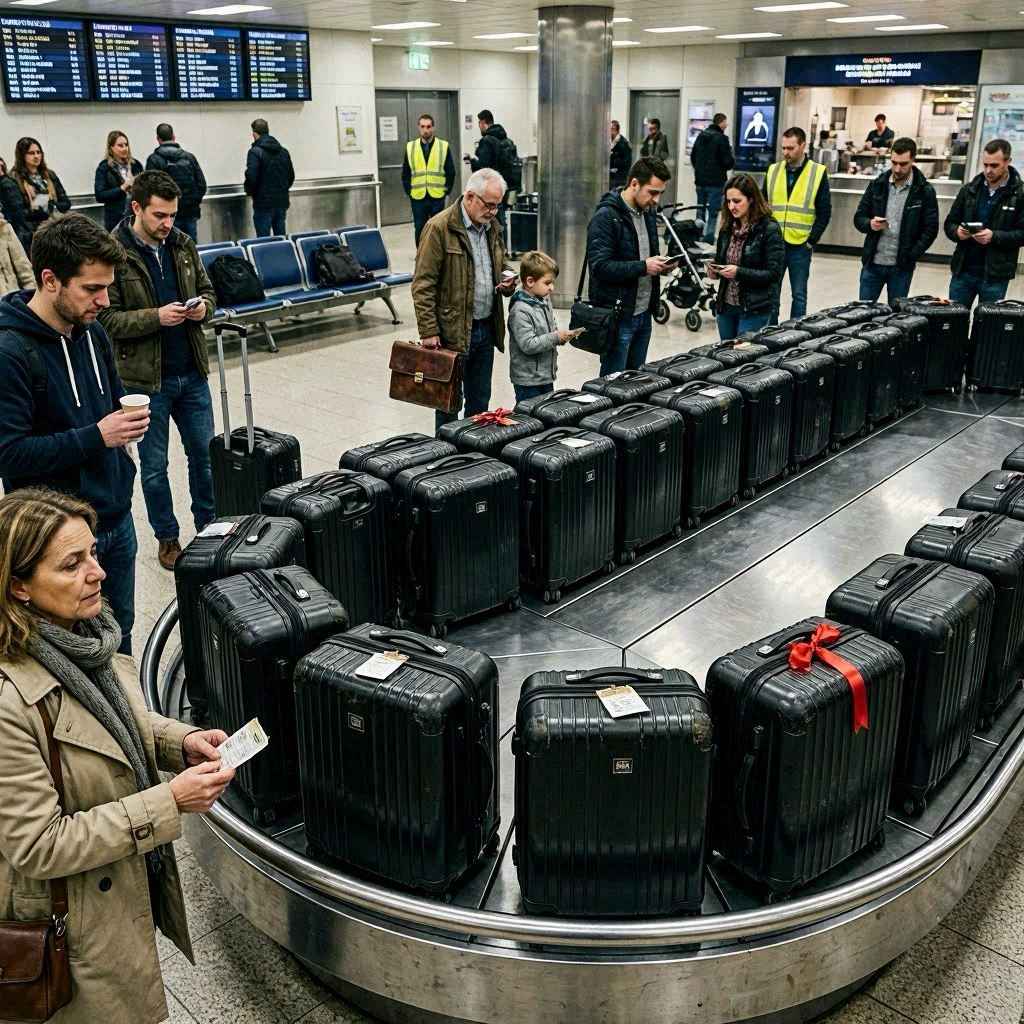
But according to baggage handlers and airport staff, that little ribbon may actually create unexpected problems behind the scenes.
What seems harmless to passengers can sometimes interfere with the highly organized systems airports use to move thousands of bags every single day.
And in some cases, it could even increase the chances of your luggage being delayed.
The Hidden Journey Your Suitcase Takes
Most travelers only see one part of the luggage process: checking a bag at the counter and later collecting it at baggage claim.
What many people don’t realize is that between those two moments, a suitcase travels through an enormous automated network of conveyor belts, barcode scanners, sorting systems, loading areas, and security checkpoints.
Modern airports process thousands of pieces of luggage every hour. To keep everything moving smoothly, the system relies heavily on automation and speed.
As soon as your bag is checked in, it receives a barcode tag that tells the airport where the luggage needs to go. Automated scanners then read that code repeatedly as the suitcase moves through the airport system.
Even a small delay or scanning issue can interrupt that process.
This is where ribbons, straps, loose decorations, and extra accessories can become a problem.
Why Ribbons Can Cause Delays
Airport baggage systems are designed to identify luggage quickly and efficiently. But when extra objects are tied onto a suitcase, scanners may struggle to correctly read the barcode.
Loose ribbons can partially cover tags, swing in front of scanners, or create confusion in automated systems. In some situations, decorations may even become caught in conveyor machinery.
When a scanner cannot properly process a bag, the suitcase is often redirected for manual inspection by airport staff.
That means your luggage may stop moving through the automated line while workers determine where it belongs.
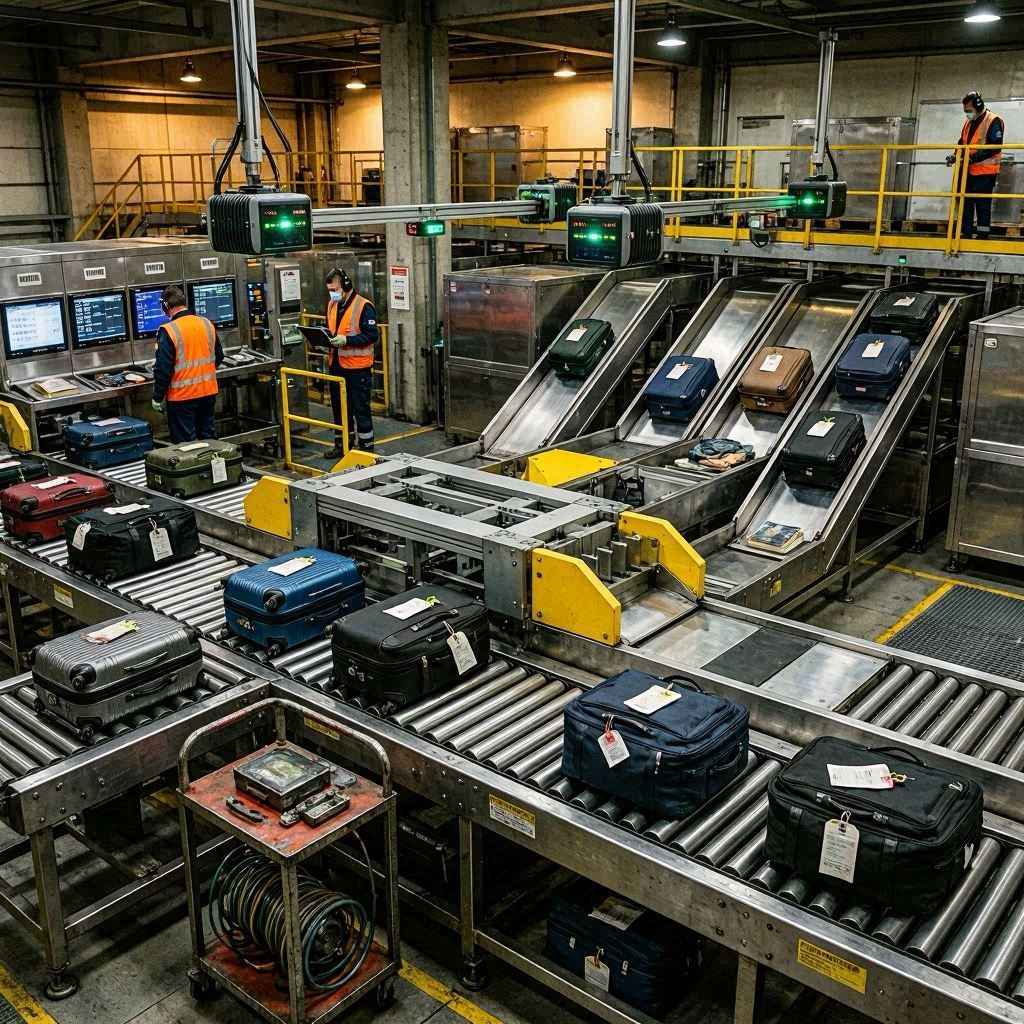
Even a short interruption can sometimes cause bags to miss loading deadlines for flights.
While the ribbon itself may seem insignificant, baggage handlers say it’s one of several small issues that can slow the system down.
Old Stickers Can Create Problems Too
Ribbons are not the only thing airport workers warn travelers about.
Many people leave old airline stickers and baggage tags attached to their luggage after previous trips. Over time, suitcases can become covered with multiple barcodes and labels from different flights.
This can confuse automated scanners.
If an old barcode is scanned accidentally instead of the current one, the baggage system may send the suitcase in the wrong direction entirely.
Airport workers recommend removing old stickers, tags, and labels before every trip to reduce the risk of sorting mistakes.
It’s a small step, but one that can help luggage move more smoothly through the system.
Some Foods Can Trigger Extra Screening
Another surprising issue involves certain food items packed inside checked luggage.
Dense foods like marzipan, fudge, thick chocolate blocks, or compact baked goods can sometimes appear unusual on security scanners.
Although these foods are not necessarily prohibited, their density may resemble suspicious materials during X-ray screening.
As a result, security teams may pull the suitcase aside for additional inspection.
This does not mean travelers are doing anything wrong. It simply means the luggage requires extra checking before continuing through the system.
For passengers rushing to catch connecting flights, even minor delays can become stressful.
The Importance of Proper Bag Placement
Baggage handlers also suggest a simple but often overlooked travel tip: place suitcases onto conveyor belts with the wheels facing upward.
Why does this matter?
Suitcases are constantly moving, turning, sliding, and stacking throughout airport handling systems. Incorrect positioning can sometimes place unnecessary pressure on wheels, handles, and corners.
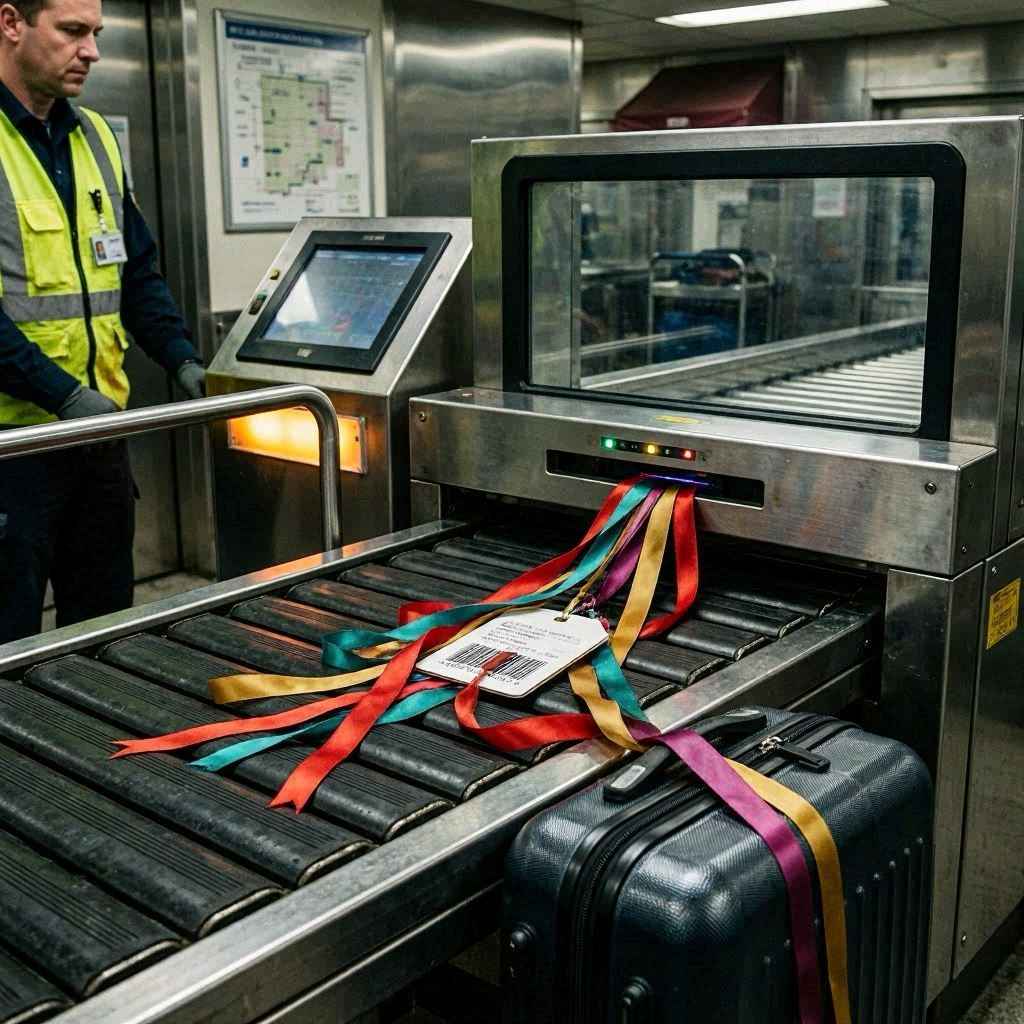
By placing luggage properly on the belt, travelers may reduce the chances of damage during transport.
It’s a small action that helps baggage systems operate more efficiently while also protecting the suitcase itself.
Better Ways to Identify Your Luggage
If ribbons are not recommended, how can travelers still recognize their bags easily?
Airport workers and travel experts suggest choosing luggage that is already visually distinctive.
Instead of decorating a standard black suitcase, consider using:
- Brightly colored luggage
- Unique patterns or textures
- Hard-shell cases with recognizable designs
- Personalized luggage covers
- Built-in identification panels
- Small but secure identification markers
Unlike loose ribbons or dangling accessories, these features do not interfere with airport machinery or scanners.
Travelers can still identify their bags quickly without creating extra complications for baggage systems.
Why So Many Suitcases Look the Same
There’s another reason luggage confusion happens so often: most people choose similar suitcase colors.
Black, gray, and navy blue remain the most popular luggage choices worldwide because they appear professional, practical, and resistant to visible dirt.
The downside is obvious at baggage claim.
When hundreds of nearly identical dark suitcases arrive together, even experienced travelers can accidentally grab the wrong bag.
That’s why travelers search for quick identification tricks like ribbons in the first place.
But as airport staff explain, some solutions work better than others.
Small Travel Habits Matter More Than People Think
Air travel depends on coordination between thousands of moving parts. From pilots and flight crews to baggage teams and security workers, airports function through systems designed for speed and accuracy.
Even small disruptions can create delays that affect multiple passengers.
Most travelers never see the complexity behind airport operations because, when everything works correctly, the process feels simple.
You check your bag.
You board your flight.
Your suitcase appears at your destination.
But behind that smooth experience is a carefully organized system where even loose decorations can sometimes interfere with efficiency.
What Baggage Handlers Want Travelers to Know
Airport workers are not criticizing passengers for trying to identify their luggage.
In fact, baggage handlers understand exactly why travelers do it.
Long travel days are exhausting, and nobody wants to lose their suitcase or accidentally take someone else’s bag.
The goal is simply to help travelers avoid unnecessary delays and problems.
By keeping luggage simple, removing old tags, and avoiding loose accessories, passengers help airport systems work more effectively.
And in return, their bags are more likely to arrive smoothly and on time.
The Bigger Lesson Behind the Advice
What makes this travel tip so interesting is how something that feels helpful on the surface can actually create hidden complications.
A ribbon seems harmless.
A leftover sticker feels unimportant.
A decorative strap appears convenient.
But in highly automated environments like airports, even tiny details can affect complicated systems in ways most people never notice.
That doesn’t mean travelers need to become anxious about every small thing they pack or attach to luggage.
It simply means understanding how modern travel works can help make the experience smoother for everyone involved.
Final Thoughts
For years, travelers have tied ribbons onto suitcases believing it was one of the smartest ways to identify luggage quickly.
And while the idea makes sense, airport baggage handlers say those decorations can sometimes interfere with scanners, delay processing, or create avoidable complications.
The good news is that avoiding these issues is simple.
Choose luggage that already stands out naturally.
Remove outdated baggage stickers before each trip.
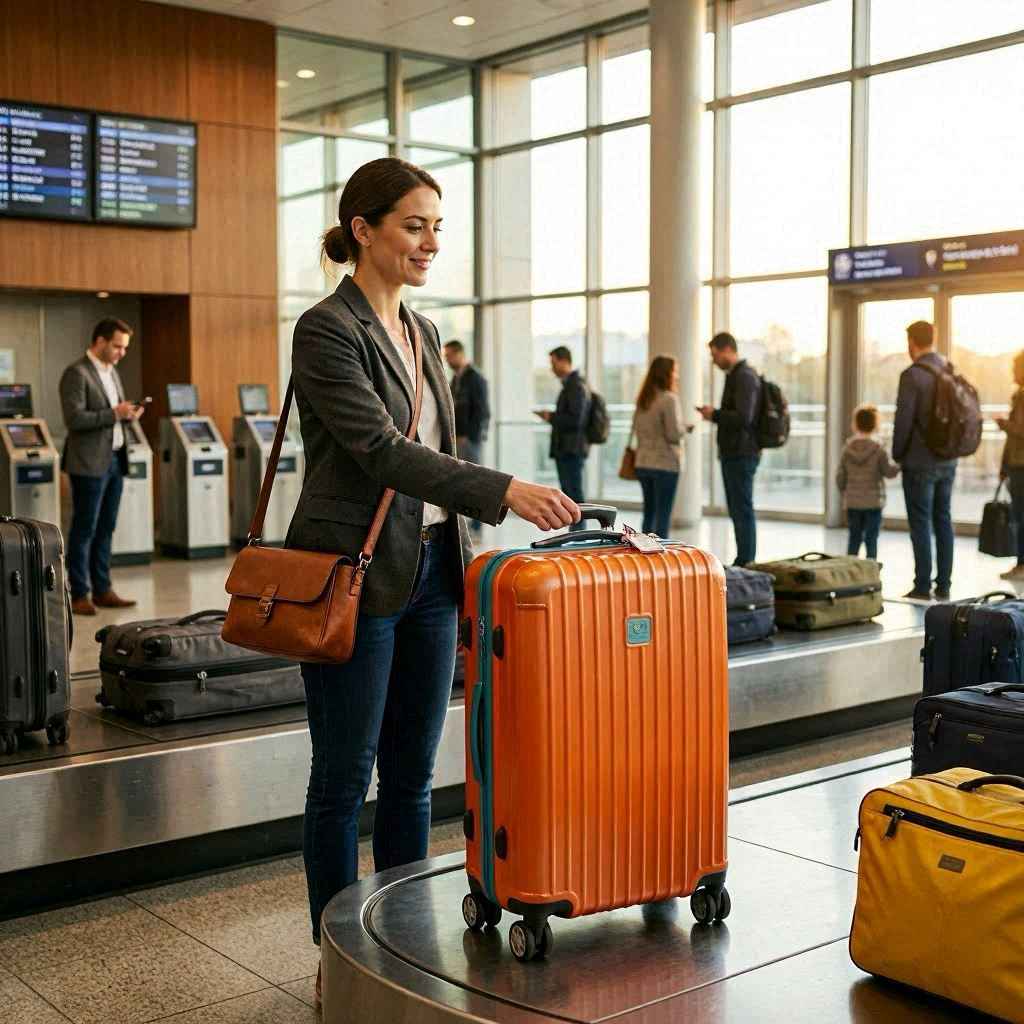
Avoid loose accessories that can interfere with machinery.
And place your suitcase carefully onto the conveyor system.
Small habits like these may not seem important, but they can make a surprisingly big difference during travel.
Because in modern airports, efficiency often depends on details most passengers never even think about—until their suitcase is the last one missing from the carousel.
0 Comments