

What Dirty Dishes Say About Your Mental Health
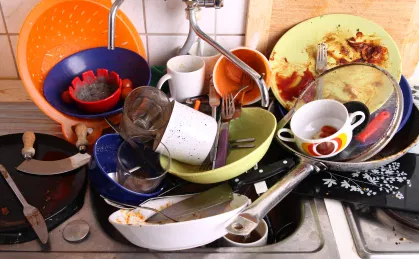
Have you ever looked at a sink full of dirty dishes and wondered what it really says about you?
The state of our home often mirrors the state of our mind. Washing dishes, one of the most basic chores, can reveal a lot about our emotions, habits, and even our mental well-being.
Here’s what leaving dirty dishes behind might mean—and why it’s important to keep this habit in check.
The Deeper Meaning Behind Dirty Dishes
Leaving dishes in the sink can be a sign of several things happening beneath the surface:
1. Stress and Exhaustion
Sometimes, it’s not about laziness—it’s about being completely drained. After a long, exhausting day, even small tasks like washing dishes can feel overwhelming.
2. Procrastination and Disorganization
Procrastination isn’t just about missing deadlines at work or school. It can show up at home too. If you often put off washing dishes, it might be a sign of a bigger struggle with organization and prioritizing tasks.
3. Signs of Emotional Struggles
A cluttered sink can sometimes reflect a cluttered mind. Struggles with depression, anxiety, or emotional overwhelm often show up in the way we manage (or don’t manage) our living space.
4. Lack of Routine
Not having a regular cleaning habit can make it easy for small messes to grow. Without daily routines, maintaining a tidy, organized home can quickly feel like an impossible task.
Why It’s Important to Keep the Sink Clear
No matter why dishes pile up, letting them sit can have real consequences—both for your health and your peace of mind.
1. Protecting Your Health
Leftover food can attract bacteria, bugs, and even rodents. It doesn’t take long for a dirty kitchen to become a health risk, not just an eyesore.
2. Reducing Stress and Overwhelm
A messy kitchen can create a low-level feeling of stress every time you walk by it. Keeping the space clean can lift a heavy mental load you didn’t even realize you were carrying.
3. Building Good Habits
Washing dishes right after eating is a small act of discipline that builds into larger patterns of organization and self-care over time.
4. Keeping the Peace at Home
In shared spaces, a pile of dirty dishes can quickly cause tension. A tidy kitchen helps maintain harmony and respect among everyone living under the same roof.
Final Thoughts
Washing dishes isn’t just about keeping a clean kitchen—it’s a small, daily opportunity to care for yourself, your home, and your mental health.
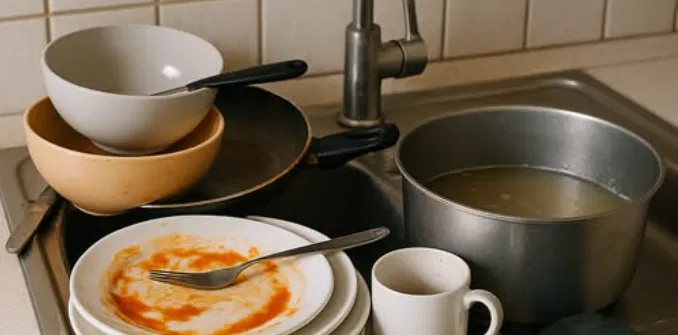
While it’s normal to let things slide once in a while, consistently leaving dirty dishes to pile up can have a deeper impact than you might think.
Making a habit of cleaning up right away can help you feel calmer, healthier, and more in control of your life.
How do you manage this task in your daily routine? Could changing one small habit make a difference for you?
0 Comments